A gorgeous garden doesn’t require endless weekends spent hauling hoses, pulling weeds, and crawling around flower beds with aching knees. Smart gardeners know a simple truth: the secret to a thriving yard often comes down to working smarter instead of harder. The best gardens across America rarely succeed because someone spends every waking hour tending them. They flourish because experienced gardeners use efficient systems that cut wasted time and prevent common headaches before they start.
Busy schedules make efficiency more important than ever, especially during peak growing season when weeds seem to double overnight and thirsty plants demand constant attention. Thankfully, a handful of proven shortcuts can dramatically reduce garden maintenance while still producing vibrant flowers, healthy vegetables, and curb appeal that turns heads.
1. Use Mulch Like a Garden Bodyguard
Mulch does far more than make flower beds look polished and tidy because it acts like a protective shield for the entire garden. A thick layer of shredded bark, straw, pine needles, or compost locks moisture into the soil and dramatically reduces watering needs during hot summer stretches. Gardeners across the country often cut watering time nearly in half after adding two to three inches of mulch around plants. That moisture control also prevents soil from baking in the sun, which helps roots stay healthier and more productive.
Weeds absolutely hate mulch because it blocks sunlight before unwanted seeds get the chance to sprout. Fewer weeds mean fewer sweaty afternoons spent yanking crabgrass from garden beds while mosquitoes circle like tiny helicopters. Mulch also prevents soil erosion during heavy storms and reduces mud splashing onto vegetables like tomatoes and peppers. Organic mulch slowly breaks down over time as well, feeding the soil naturally without extra work. That single weekend task can eliminate hours of maintenance later in the season.
2. Install Soaker Hoses Instead of Sprinklers
Traditional sprinklers waste an incredible amount of water because much of it evaporates before reaching plant roots. Wind also sends spray drifting onto sidewalks, driveways, and patches of lawn that don’t need extra moisture. Soaker hoses solve that problem by delivering slow, steady water directly into the soil where plants actually need it. This method keeps leaves dry, which lowers the risk of fungal diseases that often plague vegetables and flowers during humid weather.
Gardeners who switch to soaker hoses usually notice healthier plants and smaller water bills almost immediately. The setup stays surprisingly simple because hoses can snake through raised beds, vegetable rows, or foundation plantings with minimal effort. Many gardeners even attach inexpensive timers so watering happens automatically before sunrise while everyone still sleeps. That shortcut saves hours every week during peak summer heat. It also prevents the all-too-common panic of returning home after work to find drooping plants begging for water.
3. Grow Plants That Actually Want to Live There
One of the biggest gardening mistakes happens when people force high-maintenance plants into spaces that simply don’t suit them. Sun-loving flowers struggle in shade, thirsty plants suffer in dry soil, and delicate varieties collapse during intense heat waves. Smart gardeners save enormous amounts of time by choosing plants naturally suited to their local climate and conditions. Native plants especially thrive with less watering, fewer fertilizers, and far less babying throughout the year.
A gardener in Arizona shouldn’t fight to maintain moisture-loving plants designed for cooler regions, just like a Midwest gardener shouldn’t expect tropical flowers to tolerate late spring cold snaps. Local garden centers usually stock varieties proven to perform well in regional conditions, making plant selection much easier. Hardy perennials also offer major time savings because they return year after year without constant replanting. That means fewer shopping trips, less digging, and lower gardening costs overall. The right plant in the right place often turns a frustrating chore into an easy success story.
4. Build Raised Beds to Shrink Maintenance Time
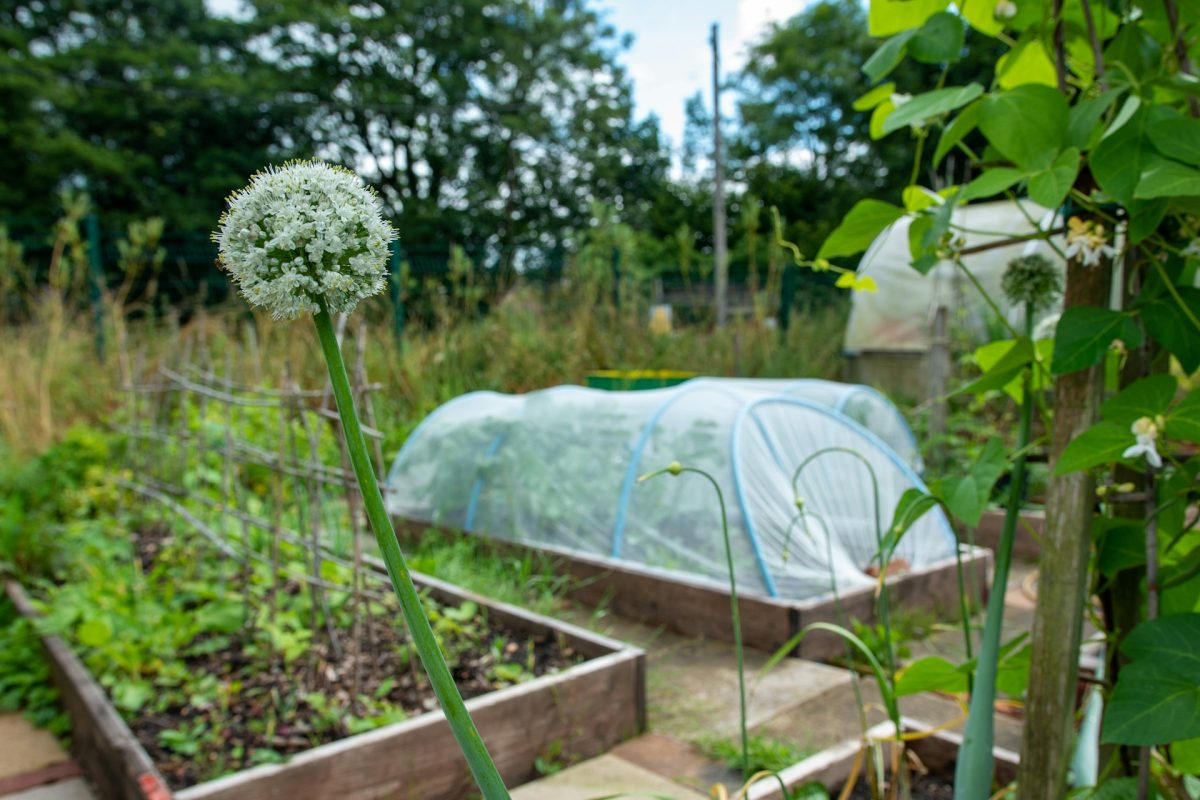
Raised beds completely change the gardening experience because they create better soil conditions and simplify almost every task. Elevated beds warm up faster in spring, drain more efficiently after storms, and allow gardeners to control soil quality from day one. Plants typically grow stronger and faster in raised beds because roots encounter fewer obstacles underground. The contained design also prevents people from stepping on soil and compacting it into a hard brick-like surface.
Weeding becomes dramatically easier inside raised beds since loose soil allows unwanted plants to pull free quickly. Many gardeners even report cutting weeding time by more than half after switching from traditional in-ground rows. Raised beds also reduce strain on backs and knees because gardeners no longer crouch directly on the ground for long periods. Compact layouts make watering, harvesting, and pruning far more efficient too. Even a small backyard can produce an impressive amount of vegetables and flowers when raised beds maximize every inch of growing space.
5. Compost Smarter, Not Harder
Composting sounds intimidating to many beginners, but simple systems can turn kitchen scraps and yard waste into nutrient-rich soil with surprisingly little effort. Instead of hauling endless bags of fertilizer home from the store, gardeners can recycle grass clippings, leaves, coffee grounds, and vegetable peels into a free source of plant food. Compost improves soil texture, boosts moisture retention, and encourages healthier root systems naturally. Better soil also means stronger plants that resist pests and diseases more effectively.
Tumbler compost bins save huge amounts of time compared to traditional compost piles because they speed decomposition and reduce messy maintenance. A quick spin every few days mixes materials efficiently without requiring pitchfork workouts in the backyard. Finished compost can replace expensive soil amendments while helping gardens retain water longer during dry spells. Many experienced gardeners even use compost as mulch around vegetables and shrubs for an extra nutrient boost. That single habit transforms everyday waste into one of the most valuable tools in the entire garden.
The True Path to an Easier Garden
The most successful gardens rarely belong to the people working the hardest every single day. They belong to gardeners who build systems that reduce repetitive chores and prevent problems before they spiral out of control. Mulch blocks weeds before they grow, soaker hoses water plants automatically, and raised beds simplify nearly every maintenance task. Those shortcuts create healthier gardens while giving gardeners more time to actually enjoy the fruits of their labor.
What gardening shortcut saves the most time in your yard every summer? Make sure you let other readers know in our comments below.
You May Also Like…
The Root Rot Warning Signs Most Gardeners Miss
7 Time-Saving Tools That Improve Garden Efficiency
8 Reliable Choices for Container Gardening Success
5 Container Garden Ideas That Work on Small Balconies
The Overwatering Problem: Why Soggy Soil Kills More Gardens Than Drought

Brandon Marcus is a staff writer for FrugalGardening.com at District Media, Inc., where he delivers practical gardening advice with a relatable, no-nonsense style. An avid amateur gardener, he holds a BA degree and with over ten years of professional writing experience, he is also an award-winning published author whose first book, Questions For Deep Thinkers, was released by Adams Media. His work has appeared in major publications including Fandom.com, CHUD.com, TheColdWire.com, and Fansided.com.
Leave a Reply