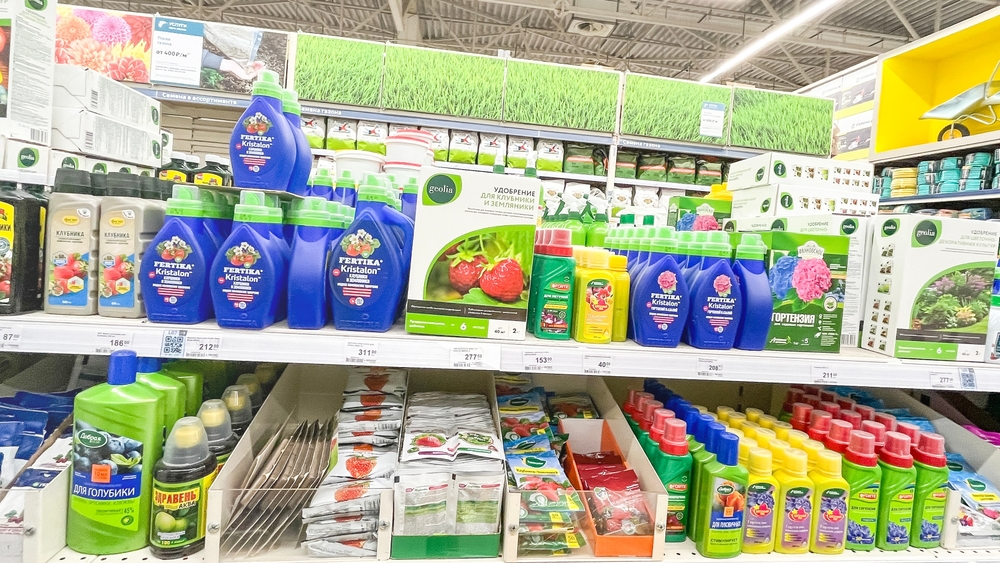
Walk into almost any garden center, and you’ll find shelves filled with products promising bigger vegetables, healthier flowers, stronger roots, and fewer weeds. Before long, a simple weekend gardening project can turn into a shopping trip costing far more than expected.
But here’s something experienced gardeners understand: Some of the most heavily marketed garden products aren’t necessary for a healthy, productive garden.
University extension specialists regularly recommend inexpensive alternatives, proper soil management, and evidence-based gardening practices over unnecessary treatments.
That doesn’t mean every commercial gardening product is a waste of money, but it does mean you should question whether your plants actually need what you’re buying.
If you’re trying to reduce gardening expenses without sacrificing results, these seven garden products you don’t need deserve a closer look.
1. Expensive Soil Testing Gadgets That Promise Instant Answers
Those inexpensive three-in-one soil meters promising instant readings for moisture, pH, and fertility can look like convenient solutions for backyard gardeners. Unfortunately, many consumer-grade devices provide inconsistent results, particularly when attempting to measure soil pH or nutrient availability. The University of Maryland Extension recommends laboratory soil testing to identify nutrient levels, soil pH, and potential amendment needs. A professional soil test can help prevent unnecessary fertilizer purchases and reveal whether your soil actually needs lime or other treatments. Instead of repeatedly buying questionable gadgets, consider using a university extension soil testing service and checking moisture manually when appropriate.
2. Root-Stimulating Fertilizers for Every New Plant
Garden centers frequently sell transplant starters and root-boosting fertilizers designed to help newly planted flowers, shrubs, and vegetables establish themselves. However, healthy plants growing in suitable soil don’t automatically need additional fertilizer simply because they’ve been transplanted. The University of Minnesota Extension emphasizes matching fertilizer applications to plant needs rather than assuming more nutrients always produce better growth. Applying excessive fertilizer can increase soluble salt concentrations around roots, potentially causing damage instead of encouraging establishment. For many transplants, proper planting depth, adequate watering, and appropriate soil conditions matter more than purchasing another specialty product.
3. Commercial Compost Starters and Activators
If you’ve ever purchased a bag of compost accelerator, you may have wondered whether your compost pile would break down without it. The good news is that composting microorganisms already exist naturally in soil, fallen leaves, vegetable scraps, and other organic materials. According to the U.S. Environmental Protection Agency, successful composting depends primarily on balancing carbon-rich materials, nitrogen-rich materials, moisture, and oxygen. Commercial compost starters generally aren’t necessary when those basic conditions are maintained properly. Instead of buying an additive, try mixing dry leaves with kitchen vegetable scraps, maintaining moisture similar to a wrung-out sponge, and turning the pile when necessary.
4. Landscape Fabric for Every Flower Bed
Landscape fabric is often marketed as a permanent solution to weeds, making it especially appealing to homeowners tired of pulling unwanted plants. However, soil and organic debris eventually accumulate on top of the fabric, allowing new weeds to germinate despite the barrier underneath. The University of Illinois Extension explains that mulch and proper weed management can be effective alternatives for maintaining landscape beds. Landscape fabric can also complicate future planting and maintenance as roots grow through the material or it becomes buried beneath soil and mulch. For many ornamental beds, a properly maintained layer of organic mulch provides weed suppression while gradually contributing organic matter to the soil.
5. Decorative Mulch When Free Leaves Are Available
Bagged decorative mulch can become a recurring expense, especially when you have multiple flower beds, shrubs, or landscaped areas to maintain. Fortunately, fallen leaves can serve many of the same practical purposes, including reducing evaporation, moderating soil temperatures, and suppressing some weeds. Organic mulches such as shredded leaves and wood chips are recommended for improving growing conditions around landscape plants. Shredded leaves are particularly useful because they settle into a manageable layer without forming the same thick mats that whole leaves sometimes create. If you’re looking for garden products you don’t need, buying bags of mulch while paying to haul away usable leaves is an excellent place to start.
6. Specialty Fertilizers for Every Vegetable and Flower
Tomato fertilizer, rose food, hydrangea fertilizer, and countless other specialized products can make gardeners feel as though every plant requires a different bag. In reality, plants need the same essential nutrients, although the amounts required vary according to species, growing conditions, and soil fertility. The University of Massachusetts Amherst Extension recommends soil testing as a foundation for making informed fertilizer decisions. Buying several specialty fertilizers without knowing your soil’s existing nutrient levels can lead to unnecessary spending and excessive applications. A soil test and an appropriate general-purpose fertilizer, when needed, may be more practical than maintaining an entire shelf of plant-specific products.
7. Chemical Treatments for Every Insect You Find
Finding insects on your vegetables or flowers doesn’t automatically mean your garden needs an insecticide treatment. Many insects are harmless or beneficial, including pollinators and predators that naturally help control destructive pests. The University of California Integrated Pest Management Program recommends identifying pests, monitoring damage, and considering less disruptive control methods before applying pesticides. For example, a few aphids on a plant may be manageable with a strong stream of water or natural predators rather than a purchased spray. Avoiding unnecessary pesticide applications can save money while reducing potential harm to beneficial insects and the surrounding environment.
How to Decide Which Gardening Supplies Are Actually Worth Buying
The goal isn’t to eliminate every purchased product from your gardening routine but to distinguish useful tools from unnecessary extras. Before buying anything new, identify the specific problem you’re trying to solve and determine whether a simpler approach could work. A soil test, proper watering schedule, healthy compost pile, and suitable mulch can often address issues that gardeners mistakenly try to fix with expensive products. Some supplies, including quality potting mix for containers, appropriate pest controls for confirmed infestations, and fertilizers supported by soil testing, may still be worthwhile investments. Understanding which garden products you don’t need allows you to spend more strategically on the supplies that genuinely improve your results.
A Healthier Garden Doesn’t Have to Come With a Bigger Receipt
Creating a productive garden isn’t about collecting the largest assortment of fertilizers, sprays, soil additives, and specialty tools. It’s about understanding what your plants need and making decisions based on actual growing conditions rather than marketing promises. Many of the garden products you don’t need can be replaced with fallen leaves, homemade compost, basic maintenance, and advice from trusted university extension programs. Before your next garden center shopping trip, take inventory of what you already have and consider whether another purchase will genuinely improve your garden.
What’s one gardening product you’ve stopped buying because you discovered a cheaper alternative that works just as well? Share your experience in the comments.
What to Read Next
Buy Garden Supplies Now or Wait Until Spring? 7 Things That Are Often Cheaper Off-Season
Should You Buy Clearance Trees and Shrubs in Fall? Check the Roots First
Can You Grow Grocery Store Garlic Instead of Buying Seed Garlic?
Leave a Reply