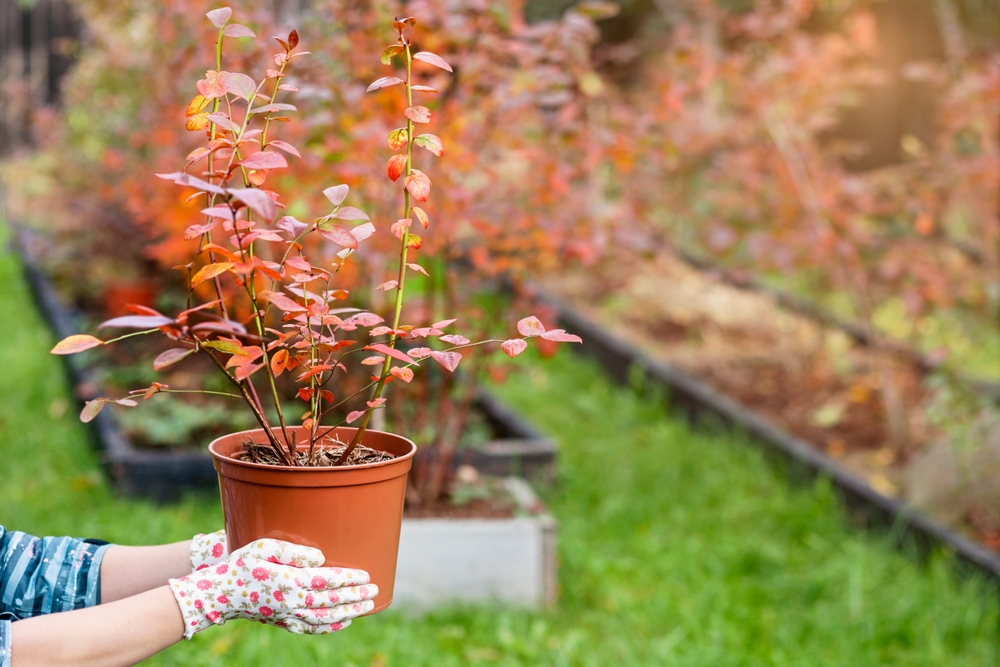
If you’ve been waiting for garden centers to mark down their shrubs, fall could be your opportunity to improve your landscaping without paying full price. Those discounted plants aren’t necessarily leftovers you should avoid, either, because cooler temperatures can create favorable conditions for root development.
In fact, fall planting shrubs can give certain varieties a head start before spring arrives, provided they’re planted early enough and matched to the local climate.
According to the University of Maryland Extension, fall is one of the preferred seasons for planting many trees and shrubs because plants experience less heat stress while their roots establish.
However, not every shrub is equally suited to late-season planting, and choosing the wrong variety could turn an inexpensive purchase into a dead plant by spring.
Here are seven shrubs worth considering for fall planting, along with the conditions that can help them establish successfully.
1. Ninebark Is a Hardy Choice for Low-Maintenance Landscaping
Ninebark is a deciduous shrub known for its attractive foliage, peeling bark, and ability to tolerate a range of growing conditions once established. Native varieties such as common ninebark (Physocarpus opulifolius) can be especially useful for gardeners seeking a durable alternative to high-maintenance ornamental shrubs. The University of Minnesota Extension identifies ninebark among the shrubs that can tolerate dry conditions, although newly planted specimens still require consistent watering. When fall planting shrubs such as ninebark, choose a location with suitable sunlight and enough room for the plant’s mature spread. Its hardiness and relatively modest maintenance requirements can make it a practical choice for homeowners trying to avoid repeated landscaping expenses.
2. Red Twig Dogwood Adds Color Even After Leaves Fall
Red twig dogwood offers something many shrubs cannot provide during winter: colorful stems that remain attractive after the foliage disappears. Depending on the species and cultivar, its branches can display bright red or reddish-purple coloring that stands out against snow and dormant landscapes. The Penn State Extension recommends shrubby dogwoods as alternatives to invasive burning bush, noting their attractive seasonal color and wildlife value. Red twig dogwood generally performs best in locations with adequate moisture, making it particularly useful near rain gardens or naturally damp areas. For successful fall establishment, avoid planting it in extremely dry soil unless you’re prepared to provide supplemental watering.
3. Viburnum Can Provide Flowers, Berries, and Fall Color
Viburnums are versatile shrubs that can provide spring flowers, attractive foliage, and colorful fruits that support wildlife. Many native species also develop appealing autumn colors, making them useful additions to landscapes designed for multiple seasons of interest. There are ornamental qualities of native viburnums; however, species selection matters for successful growing. When fall planting shrubs in this group, consider native options such as arrowwood viburnum or nannyberry where they’re appropriate for your region. Check mature dimensions carefully because some viburnums can become large shrubs or small trees that eventually outgrow narrow foundation beds.
4. Black Chokeberry Offers More Than Attractive Fall Foliage
Black chokeberry, also called Aronia melanocarpa, is a deciduous shrub valued for its spring flowers, dark berries, and colorful autumn leaves. Its fruit can support birds and may also be used in certain culinary preparations, although the berries are notably astringent when eaten fresh. Black chokeberry is among shrubs that can tolerate drought after becoming established. For gardeners interested in fall planting shrubs, chokeberry can offer ornamental value without requiring the intensive maintenance associated with some flowering landscape plants. Choose a location with appropriate sunlight and drainage, and remember that drought tolerance doesn’t eliminate the need to water newly installed shrubs.
5. Winterberry Holly Can Brighten a Bare Winter Landscape
Winterberry holly is a deciduous native shrub that produces colorful berries capable of remaining visible after its leaves drop. Unlike evergreen hollies, winterberry loses its foliage in autumn, leaving clusters of bright fruit that can provide striking winter interest. Winterberry is often included among the native shrubs used in its demonstration landscapes. Most winterberry varieties require a compatible male plant nearby to pollinate female flowers if you want reliable berry production. Because winterberry naturally prefers moist, acidic conditions, gardeners should evaluate soil suitability before purchasing plants simply because they’re discounted.
6. Virginia Sweetspire Works Well in Many Eastern Gardens
Virginia sweetspire, or Itea virginica, is a native deciduous shrub known for its fragrant white flower clusters and attractive fall foliage. Depending on the cultivar and growing conditions, its leaves can turn shades of red, orange, and burgundy as temperatures cool. Virginia sweetspire can be a useful native landscaping shrub, including the popular ‘Henry’s Garnet’ cultivar. It can tolerate a range of moisture conditions once established, although consistently damp soil and partial sun often support healthy growth. If you’re fall planting shrubs along a shaded border or woodland edge, sweetspire may be worth considering where your climate and soil conditions are suitable.
7. Hardy Shrub Roses Can Establish Before Spring Growth Begins
Shrub roses can provide long-lasting ornamental value without necessarily requiring the intensive maintenance associated with more delicate rose varieties. Hardy selections bred for disease resistance and winter survival are especially useful for gardeners living in regions with challenging cold-weather conditions. Fall is a favorable planting period for hardy shrub roses because cooler weather and relatively warm soil can support root establishment. However, gardeners should choose varieties suited to their hardiness zone and follow cultivar-specific planting and winter protection recommendations. A well-chosen hardy shrub rose can provide years of flowers, making it a worthwhile investment when purchased and planted under suitable conditions.
Why Fall Can Be Better for Root Establishment
The biggest advantage of fall planting shrubs is that cooler air temperatures can reduce water stress while the soil remains warm enough to support root activity. Deciduous shrubs also begin shifting toward dormancy, allowing them to establish without supporting the same level of active leaf growth seen during summer. However, fall planting doesn’t mean roots instantly become established, and a newly installed shrub may still need attention well into the following growing season. New trees and shrubs require regular watering until their root systems expand into the surrounding soil. Planting several weeks before the ground freezes generally provides a better opportunity for establishment than waiting until severe winter conditions are imminent.
Don’t Let a Discount Distract You From Planting Properly
End-of-season sales can make fall planting shrubs more affordable, but saving money starts with choosing healthy plants suited to your yard. Inspect nursery containers for circling roots, avoid specimens with obvious disease or severe damage, and check whether the mature shrub will fit the available space. It’s a good idea to select appropriate plants. Also, make note that smaller, younger specimens can establish more quickly than oversized landscaping stock. Dig planting holes wide enough for roots to expand, avoid burying shrubs too deeply, and use a modest layer of organic mulch to conserve soil moisture. Most importantly, don’t assume that cool weather or occasional rainfall means newly planted shrubs can survive without additional watering.
Plant Now for a Healthier, More Affordable Spring Landscape
Choosing the right shrubs for fall planting can help homeowners create attractive landscaping while taking advantage of seasonal nursery discounts. Hardy options such as ninebark, dogwood, viburnum, chokeberry, winterberry, sweetspire, and shrub roses offer different benefits depending on your climate and growing conditions. Successful fall planting shrubs depends less on finding the cheapest plant and more on matching each species to suitable soil, sunlight, drainage, and available space. If your ground is already frozen or winter weather is approaching quickly, waiting until spring may be safer than risking an expensive plant.
Have you planted shrubs in the fall, and which varieties have survived winter best in your garden? Share your experience in the comments.
What to Read Next
Should You Buy Clearance Trees and Shrubs in Fall? Check the Roots First
Is a Fire-Safe Garden Possible Without Removing Every Shrub?
Misusing New Weed Killers Can Warp Your Shrubs—Triclopyr Stays in Soil for Months
Leave a Reply