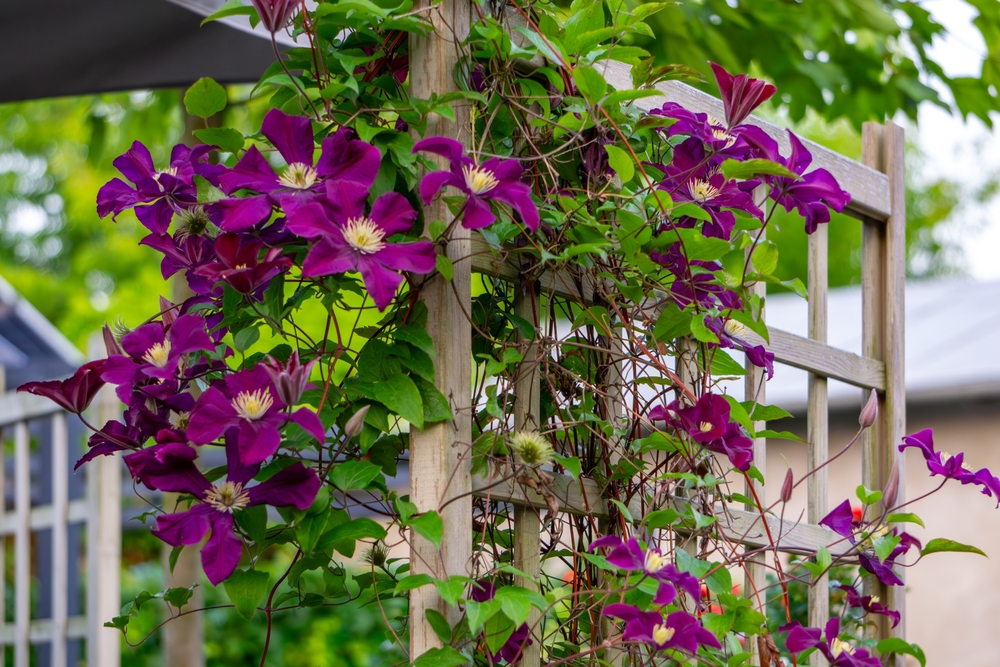
A garden without vertical growth leaves potential sitting unused, like a stage without a spotlight. Climbing plants crave structure, and without it, they sprawl, tangle, and miss the chance to truly shine. A trellis changes everything by giving plants direction, airflow, and a reason to stretch toward the sky instead of fighting for ground space. The best part comes from the fact that a great trellis doesn’t need a big budget, fancy tools, or a trip to a specialty store.
Smart gardeners turn ordinary materials into standout supports that look good and work even better. A few creative choices can transform scrap wood, old fencing, or even forgotten household items into sturdy, plant-loving frameworks. With the right approach, a trellis becomes more than a support system; it becomes part of the garden’s personality.
1. Scrap Wood Magic: Turning Leftovers Into Garden Gold
Wood scraps often pile up in garages and sheds, waiting for a purpose that rarely arrives. A trellis gives those forgotten pieces a second life while adding structure to the garden in a way that feels intentional and stylish. Even uneven boards can create a charming, rustic frame that supports climbing plants like beans, peas, or cucumbers. A simple grid design works best, since it allows plants to grab onto multiple points as they grow upward. Nails or screws hold everything together securely, but zip ties can also do the job when tools feel limited.
Durability matters, so untreated wood should stay away from constant soil contact to prevent rot. Elevating the base slightly or sealing the wood with a plant-safe outdoor finish can extend its lifespan significantly. Positioning also plays a key role, since a trellis needs proper sunlight exposure to help plants thrive instead of struggle. Angling the structure slightly backward can improve stability and give vines a natural climbing path. This approach blends function with creativity, turning scraps into something that looks deliberate rather than thrown together.
2. Wire and Wonder: Simple Materials, Strong Results
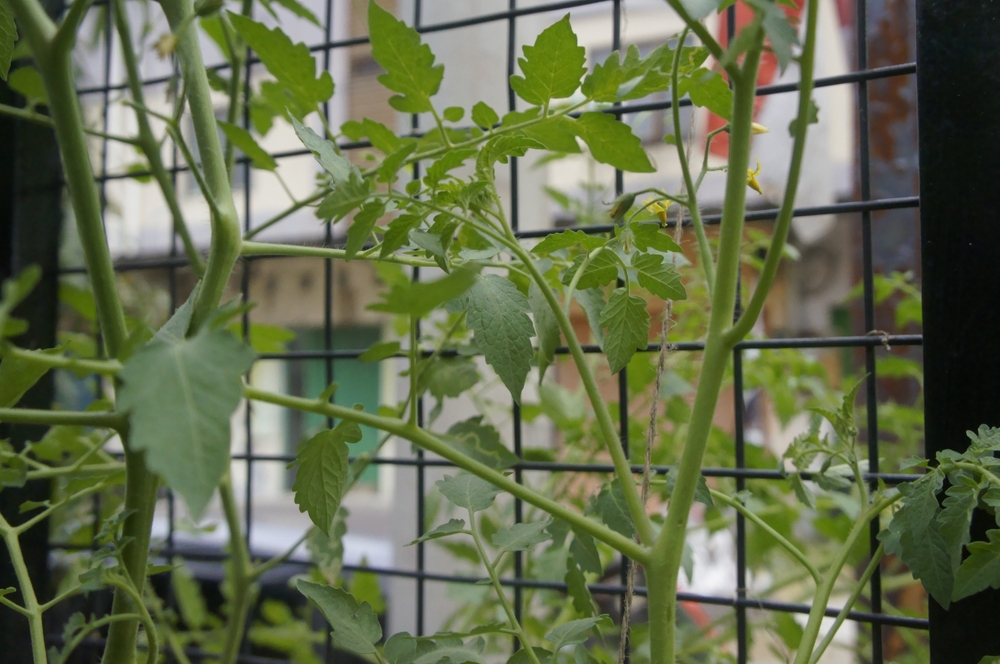
Wire might not sound glamorous, but it delivers serious strength without draining the wallet. Chicken wire, garden fencing, or even leftover hardware cloth can form a sturdy trellis that supports heavy growers like tomatoes or squash. Attaching the wire to wooden stakes or metal poles creates a stable frame that holds up under pressure. The grid pattern allows plants to weave through naturally, which reduces the need for constant tying or adjusting. This setup works especially well for vegetable gardens that need reliable, no-nonsense support.
Flexibility gives wire trellises a major advantage, since they can adapt to different shapes and spaces with ease. Bending the material into arches or curved panels adds visual interest while maintaining structural integrity. That design can create a tunnel effect for climbing plants, which looks impressive and maximizes growing space at the same time. Securing the base firmly in the ground prevents wobbling, especially during windy conditions or when plants reach full size. Stability ensures that the structure supports growth instead of collapsing under it.
3. Repurpose Like a Pro: Everyday Items That Climb Again
Household items often hide in plain sight, waiting for a second act in the garden. Old ladders, bed frames, and even unused shelving units can transform into unique trellises with minimal effort. A wooden ladder leaned against a wall or secured in the soil creates instant vertical support for climbing plants. Each rung acts as a natural step for vines to latch onto, which encourages steady upward growth. This approach combines practicality with a touch of personality that stands out in any garden.
Metal bed frames offer another strong option, especially for heavier plants that need extra support. Their sturdy construction can handle weight without bending, and their open design allows plants to weave through easily. Placing them vertically or at an angle creates a striking visual element that doubles as a functional structure. Cleaning and sealing metal surfaces can prevent rust and keep the trellis looking sharp over time. These repurposed pieces bring character into the garden while reducing waste in a meaningful way.
4. String and Stakes: The Minimalist’s Dream Setup
Sometimes the simplest solutions deliver the biggest impact, and a string or wire trellis proves that point beautifully. A few sturdy stakes and some durable garden twine can create a vertical support system that works surprisingly well. Running the string in straight lines or crisscross patterns gives plants plenty of places to latch onto as they grow. This method works especially well for lightweight climbers like peas or pole beans that don’t require heavy-duty support. The setup takes very little time, which makes it perfect for quick garden upgrades.
Spacing matters when setting up a string trellis, since plants need room to climb without crowding each other. Even distribution of lines ensures balanced growth and prevents tangling that can slow development. Tension also plays a crucial role, since loose strings won’t provide enough support for upward movement. Pulling the twine tight and securing it firmly at both ends keeps the structure stable throughout the growing season. This level of attention makes a simple setup feel reliable and effective.
Weather can affect string durability, so choosing a strong, weather-resistant material can extend the life of the trellis. Replacing worn-out sections quickly prevents sudden collapses that can damage plants. Despite its simplicity, this method offers a clean, organized look that fits well in almost any garden style. It proves that a trellis doesn’t need to feel complicated or expensive to deliver great results.
5. Bamboo Brilliance: Natural Style That Works Hard
Bamboo brings strength, flexibility, and natural beauty into the garden without demanding a high price. Gardeners often choose bamboo stakes because they resist bending while remaining lightweight and easy to work with. Tying several stakes together at the top creates a teepee structure that supports climbing plants from all sides. This design works especially well for beans and flowering vines that enjoy wrapping around vertical supports. The result looks elegant while still delivering practical support.
Horizontal crosspieces can add extra stability and give plants more climbing options. Securing those pieces with twine or garden ties keeps the structure firm without requiring complicated tools. Bamboo also blends seamlessly into the garden environment, which makes it feel like part of the landscape rather than an added feature. Over time, the natural color can fade into a soft, weathered tone that enhances the overall aesthetic. This subtle transformation adds charm without requiring any extra effort.
Proper placement ensures that bamboo trellises receive enough sunlight to support healthy plant growth. Anchoring the base firmly into the soil prevents tipping, especially during windy conditions or heavy growth periods. Bamboo offers a balance of beauty and function that few materials can match at such a low cost. It stands as one of the easiest ways to create a trellis that looks polished without feeling overdesigned.
Grow Up, Not Out: The Real Power of a Great Trellis
A well-built trellis changes how a garden performs, looks, and feels all at once. Vertical growth increases airflow, reduces disease risk, and makes harvesting easier, which turns a simple structure into a powerful gardening tool. Budget-friendly options prove that creativity matters more than spending, and they open the door to endless possibilities. From scrap wood to bamboo, each approach offers a unique blend of style and function that fits different spaces and preferences.
What kind of trellis would bring the most life and personality into a garden space? Share some creative ideas, favorite materials, or clever builds in the comments.
You May Also Like…
How to Protect Garden Borders From Pests
This DIY Cold Frame Design Is Collapsing Under Snow — And Causing Injuries
8 Tips For Designing Your Garden For Efficiency
Why Your Garden Fence Could Be a Death Trap for Local Wildlife
7 Tiny Fence Fixes That Keep Snow From Destroying Panels

Brandon Marcus is a staff writer for FrugalGardening.com at District Media, Inc., where he delivers practical gardening advice with a relatable, no-nonsense style. An avid amateur gardener, he holds a BA degree and with over ten years of professional writing experience, he is also an award-winning published author whose first book, Questions For Deep Thinkers, was released by Adams Media. His work has appeared in major publications including Fandom.com, CHUD.com, TheColdWire.com, and Fansided.com.
Leave a Reply