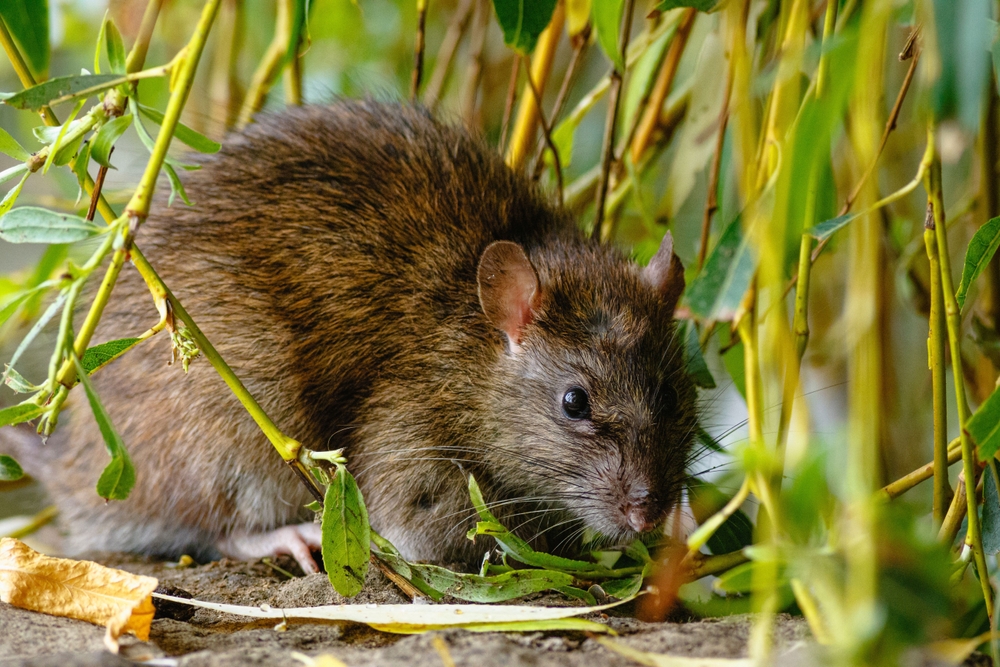
Cold air, quiet beds, and a garden that finally gets a breather—winter feels calm and harmless. But beneath that peaceful surface, rats are actively apartment-hunting, and your garden may be flashing a giant “vacancy” sign. One common winter gardening habit creates warmth, shelter, and food all in one neat bundle, and rodents absolutely love it.
If you’ve noticed mysterious holes, chewed containers, or nighttime rustling, this habit could be the reason. The twist is that most gardeners do it with the best intentions. Let’s talk about what’s drawing rats in and how to shut the door before they settle in.
The Winter Habit Rats Love Most
The biggest culprit is leaving compost piles, leaf heaps, and garden debris unmanaged through winter. As temperatures drop, gardeners often stop turning compost, stop checking piles, and let fallen leaves and plant matter sit until spring. To a rat, this is not neglect—it’s luxury housing.
Decomposing organic matter generates heat, which creates a cozy microclimate even during freezing weather. Food scraps mixed into compost offer an ongoing buffet that doesn’t disappear when the ground freezes. Add in the cover provided by leaves, straw, and stems, and rats get warmth, meals, and protection from predators in one spot.
Rats are incredibly resourceful and will return night after night once they find a reliable setup. Winter compost piles also tend to be quieter, with fewer humans disturbing them, which makes rodents feel safer.
Why Winter Gardens Are Extra Appealing To Rodents
Winter strips away many of the natural food sources rats rely on during warmer months. Seeds, insects, and fresh plant growth become scarce, forcing rodents to seek concentrated resources near human spaces. Gardens that seem dormant to us are still rich environments to them. Compost piles, mulch layers, and stored garden materials become survival hubs during harsh weather. Even small amounts of food waste can sustain multiple rats when options are limited elsewhere.
How To Fix The Problem Without Ditching Compost
You don’t need to give up composting to make your garden less inviting to rats. The key is managing it differently during winter months. First, switch to a rodent-resistant compost bin with a solid base and tight-fitting lid. Open piles are convenient, but they’re essentially open invitations. Elevating bins slightly off the ground or placing them on wire mesh can prevent burrowing from below.
Be mindful of what goes into winter compost. Avoid adding food scraps like bread, pasta, rice, and meat-adjacent leftovers, which are especially attractive to rodents. Focus on yard waste, shredded leaves, and vegetable trimmings instead.
What To Do With Leaves And Garden Debris Instead
Leaves and spent plants don’t need to disappear, but they do need smarter placement. Instead of piling them against fences, sheds, or foundations, spread leaves thinly as mulch over garden beds. Thin layers don’t trap heat the same way dense heaps do, and they’re far less attractive to nesting rodents. Shredding leaves before spreading them speeds decomposition and reduces hiding spots.
For larger debris like stalks and stems, chop them into smaller pieces before composting or mulching. Long hollow stems are prime nesting material, especially when bundled together. If you store garden materials like straw or mulch bales, keep them elevated and sealed in sturdy containers. Regularly check storage areas throughout winter to ensure nothing has been chewed or tunneled into. Small adjustments in how debris is handled can dramatically lower rodent interest.
Signs Rats Have Already Moved In
Early detection makes a big difference. Look for small burrow holes near compost piles or under debris, especially if the soil appears freshly disturbed. Droppings shaped like dark grains of rice are another clear sign. You may also notice greasy rub marks along walls, bins, or fences where rats repeatedly travel. Chewed plastic, wood, or fabric near garden storage areas shouldn’t be ignored.
Unusual nighttime sounds—scratching, rustling, or squeaking—can indicate active nesting. If birds suddenly avoid feeders or food disappears unusually fast, rodents may be beating them to it. Addressing these signs immediately prevents a small winter hideout from becoming a long-term infestation. Waiting until spring gives rats time to multiply, which makes removal far more difficult.
Take Back Your Winter Garden
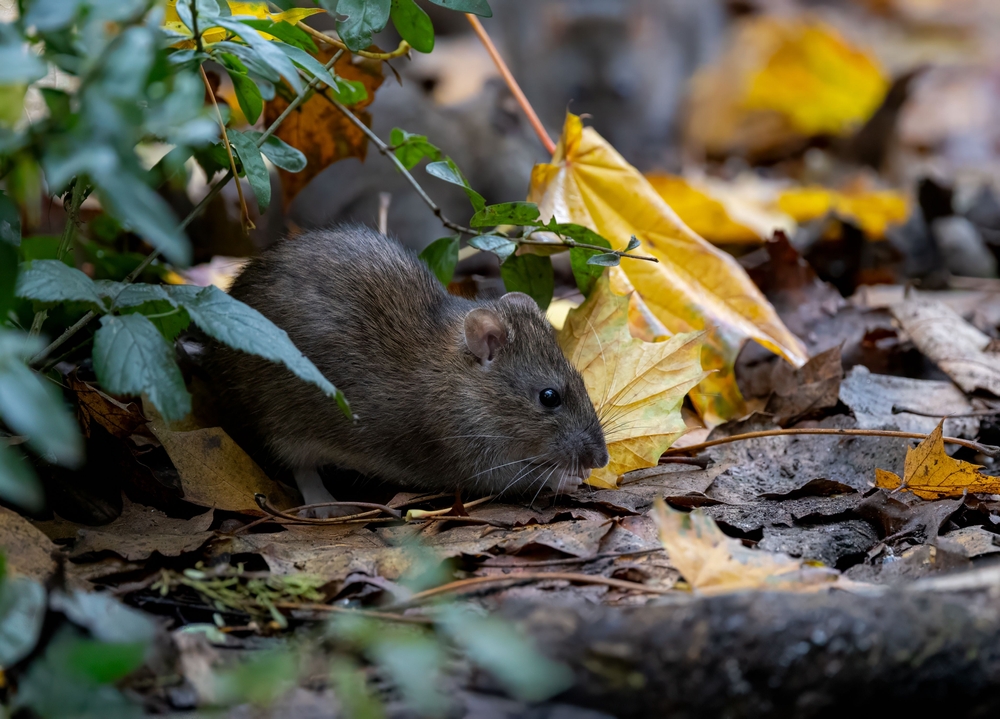
Winter gardening habits are often about convenience and rest, but a little awareness goes a long way. Managing compost, leaves, and debris thoughtfully keeps your garden productive without turning it into rodent real estate. With a few changes, you can protect your space while still caring for your soil and plants.
Have you dealt with winter garden pests or found clever ways to keep rodents away? Add your thoughts or experiences in the comments section below and keep the conversation growing.
You May Also Like…
11 Things Rodents Use to Sneak Into Your Garden Shed
7 Pest Problems That Begin Long Before You See the Damage
Why Rodent Populations Spike in Autumn Gardens
Why Pests Overwinter in Untended Garden Beds
Why Stopping Lawn Care Too Early Could Invite Pests and Fungus

Brandon Marcus is a staff writer for FrugalGardening.com at District Media, Inc., where he delivers practical gardening advice with a relatable, no-nonsense style. An avid amateur gardener, he holds a BA degree and with over ten years of professional writing experience, he is also an award-winning published author whose first book, Questions For Deep Thinkers, was released by Adams Media. His work has appeared in major publications including Fandom.com, CHUD.com, TheColdWire.com, and Fansided.com.
Leave a Reply