If you’ve ever bought a big bag of plant food because your flowers looked “meh,” you’re not alone. But here’s the twist: a lot of common flowers bloom better when you stop pushing them so hard. Too much feeding can turn plants into leafy machines with fewer blooms, weaker stems, and more pest problems. Many reliable flowers evolved to handle average soil, and some actually prefer it a little lean. If you want more color with less work (and a smaller bill), these bloomers are happy with less fertilizer and a few simple habits.
1. Zinnias: Big Color Without Big Feeding
Zinnias love warmth, sun, and decent drainage, not constant plant food. If you overfeed them, they often produce lush leaves and fewer flowers. Start with compost mixed into the bed, then let the plants do their thing. Deadhead regularly to keep blooms coming, because that matters more than feeding. In most gardens, zinnias prove you can get nonstop color with less fertilizer.
2. Marigolds: Tough, Cheerful, And Not Picky
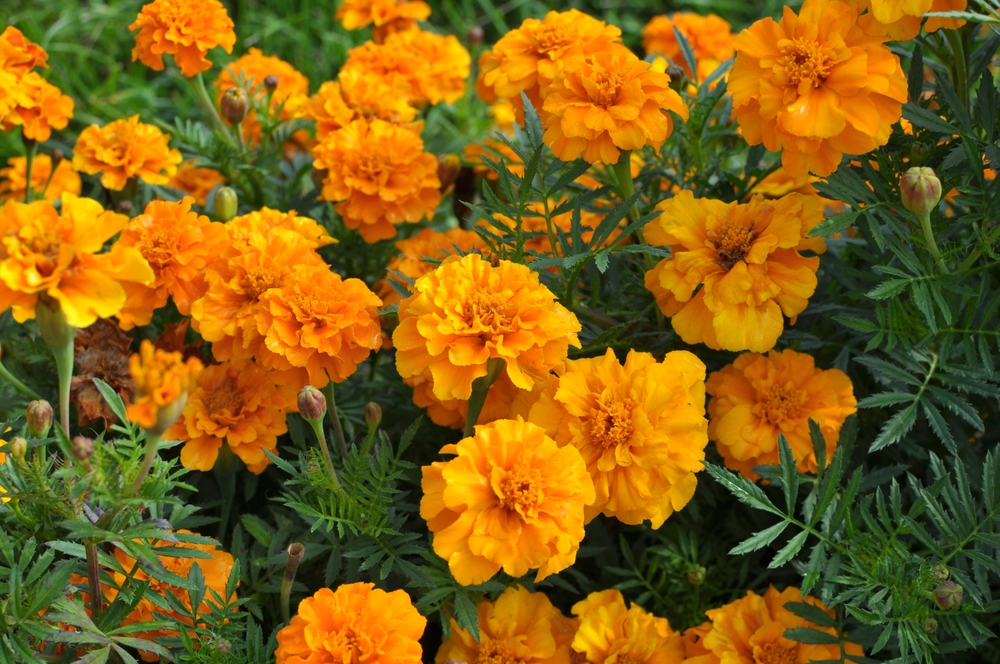
Marigolds are famous for thriving in average soil and still blooming like they’re showing off. They handle heat, containers, and mixed borders without demanding extra nutrients. Too much feeding can make them leggy and reduce bloom power. Give them sun, water when the top inch dries, and they’ll stay reliable. If you want an easy win, marigolds make less fertilizer feel like the smarter choice.
3. Coneflowers: Prairie Roots, Practical Needs
Coneflowers (echinacea) come from tough environments, so they don’t expect pampering. Rich soil can make them flop, especially in humid summer weather. A thin layer of compost in spring is plenty for steady growth and blooms. Once established, they’re drought-tolerant and happier with a hands-off routine. Coneflowers are a classic example of flowers that thrive with less fertilizer and more patience.
4. Black-Eyed Susans: Strong Stems On Leaner Soil
Black-eyed Susans (rudbeckia) thrive in sun and tolerate imperfect soil like it’s part of the job. Overly rich beds can lead to tall, floppy growth that needs staking. Instead, focus on spacing for airflow and consistent watering during heat waves. A light top-dress of compost every year or two is usually enough. These plants reward you with long bloom seasons without turning your wallet into a feeding schedule.
5. Lavender: Better Blooms When You Don’t Overdo It
Lavender wants sun, sharp drainage, and soil that isn’t too rich. Heavy feeding often reduces fragrance and encourages weak, soft growth. Skip fertilizer and amend with grit or sand if your soil holds water. Prune lightly after flowering to keep the plant compact and blooming well. Lavender is proof that less fertilizer can produce healthier plants and better scent.
6. Sedum (Stonecrop): The Low-Maintenance Bloom Machine
Sedum thrives in poor soil, which is why it does so well in rock gardens and dry borders. If you feed it heavily, it can stretch and flop instead of staying sturdy. Give it sun and let the soil dry between waterings for the best form. Divide clumps every few years if they outgrow their spot, because that refreshes growth naturally. When you want dependable late-season blooms, sedum makes less fertilizer feel effortless.
7. Coreopsis: Bright Blooms Without Constant Inputs
Coreopsis brings sunny color and keeps going even when the soil isn’t perfect. It prefers well-drained ground and can handle dry spells once established. Feeding too much can encourage tall growth that looks messy by midsummer. Instead, shear it back after a big flush of flowers to trigger a second wave. Coreopsis stays generous with blooms while you stick to less fertilizer and simple maintenance.
8. Nasturtiums: The Flower That Likes It “A Little Hungry”
Nasturtiums are famous for growing better in lean soil, especially when you want lots of blooms. Rich soil often produces big leaves and fewer flowers, which feels backwards until you’ve seen it happen. Plant them in sun or partial shade and avoid overwatering for stronger growth. In containers, use a basic potting mix without extra feeding and watch them trail beautifully. Nasturtiums make a strong case for less fertilizer and more restraint.
9. California Poppies: Wildflower Energy With Minimal Help
California poppies thrive in sandy, well-drained soil and don’t need much to put on a show. They resent heavy feeding and overly wet soil, which can shorten their bloom time. Direct-sow them where you want them, because they don’t love transplanting. Let a few plants go to seed if you want them to return next season with zero effort. Once they settle in, these poppies practically bloom on autopilot with less fertilizer.
The Lean-Soil Strategy That Keeps Flowers Blooming
If you want better flowers with fewer inputs, stop thinking of fertilizer as a weekly requirement and treat it like an occasional tool. Start with compost, mulch lightly, and water consistently, because those three things do more than constant feeding. Watch your plants for clues: deep green leaves with few blooms often means you’re overdoing nitrogen. If blooms slow, try deadheading, pruning, or improving sunlight before you reach for plant food. When you build a routine around less fertilizer, you often get sturdier plants, cleaner growth, and longer-lasting color.
Which of these flowers do you already grow, and have you noticed they bloom better when you ease up on feeding?
What to Read Next…
6 Flowers That Bloom Reliably Even in Poor Soil
10 Flowers That Come Back Every Year Without Extra Spending
7 Low-Maintenance Flowers That Thrive With Little Water
8 Flowers That Grow Well From Cheap Seed Packs
6 Gorgeous Flowers You Can Grow In Winter

Catherine is a tech-savvy writer who has focused on the personal finance space for more than eight years. She has a Bachelor’s in Information Technology and enjoys showcasing how tech can simplify everyday personal finance tasks like budgeting, spending tracking, and planning for the future. Additionally, she’s explored the ins and outs of the world of side hustles and loves to share what she’s learned along the way. When she’s not working, you can find her relaxing at home in the Pacific Northwest with her two cats or enjoying a cup of coffee at her neighborhood cafe.
Leave a Reply