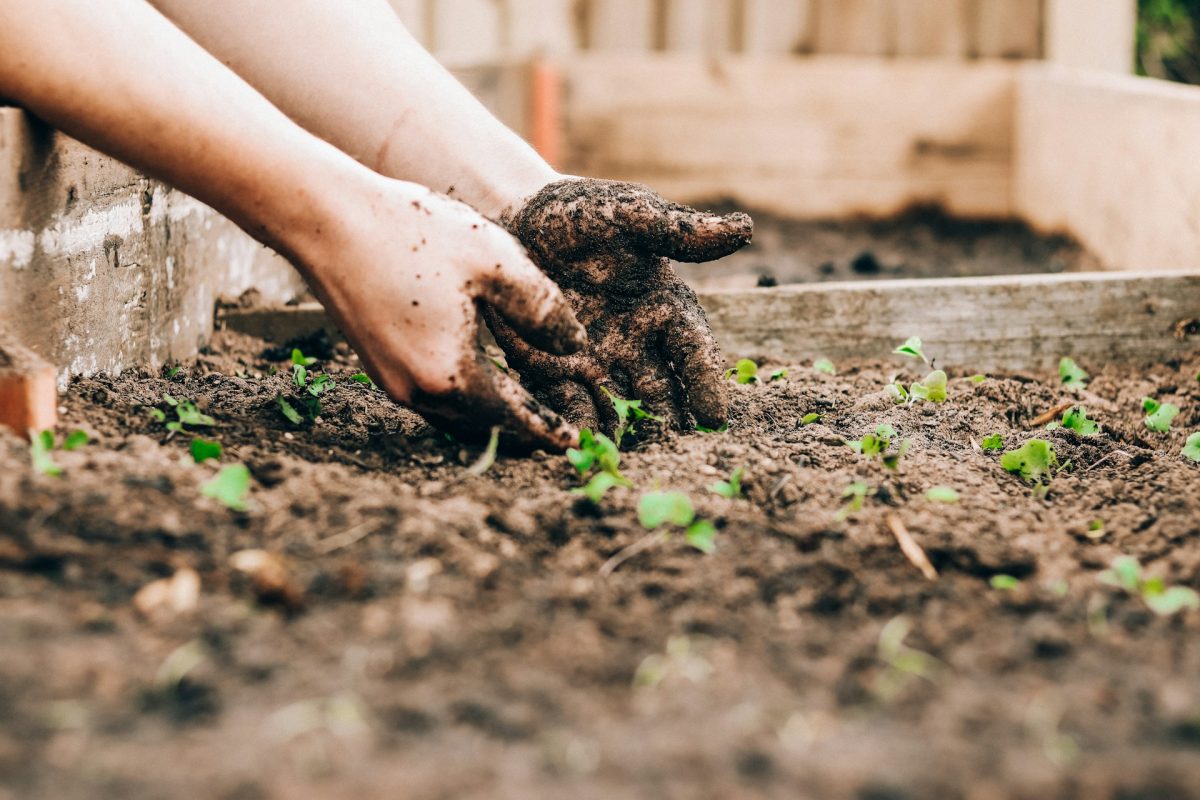
A bag of soil can decide whether a seedling thrives or collapses before it ever stretches toward the sun. Across Southern states, gardeners nurture trays of tomatoes, peppers, zinnias, and herbs with care, only to watch them stall, yellow, and fold over without warning. The culprit often hides in plain sight: a peat-heavy soil mix that suffocates young roots in heat and humidity.
This issue does not come from mystery diseases or cursed seeds. It grows out of a simple mismatch between soil ingredients and Southern growing conditions. When heat, heavy rains, and long humid spells collide with the wrong potting mix, seedlings pay the price. Anyone serious about growing strong plants in states like Texas, Florida, Georgia, or Alabama needs to understand exactly how this happens.
When “Moisture Control” Turns Into Root Suffocation
Garden centers stock shelves with potting mixes that promise moisture control and extended hydration. Those labels sound reassuring, especially under blazing Southern sun, but peat moss dominates many of these blends. Peat holds water extremely well, which can help in dry climates, yet it creates real problems in regions where humidity already hangs heavy in the air and afternoon storms roll in without warning.
Seedlings need oxygen just as badly as they need water. Their tiny roots demand air pockets in the soil so they can breathe and grow. When peat-heavy mixes stay soggy for too long, roots sit in waterlogged conditions, and oxygen levels drop fast. In Southern heat, that stagnant moisture warms up quickly and creates a perfect environment for fungal pathogens that attack stressed roots.
Gardeners often assume that drooping seedlings need more water, so they add another round. That extra watering compounds the issue. Instead of reviving the plant, it pushes roots closer to rot. The cycle continues until stems thin out, leaves yellow, and the seedling collapses at the soil line.
The Southern Climate Changes the Rules
Soil advice that works beautifully in milder climates does not always translate to the Deep South. High humidity slows evaporation, which means containers dry out much more slowly than many gardeners expect. Add sudden thunderstorms that soak patios and garden beds, and moisture builds up quickly in peat-dense mixes.
Southern temperatures also climb early in the season. Warm soil speeds up microbial activity, including the fungi that cause damping-off disease. Damping-off does not announce itself with dramatic warning signs. It quietly weakens the stem near the soil surface, and one morning the seedling lies flat as if someone flicked it over.
In states like Louisiana and Mississippi, where humidity often stays high even at night, peat-heavy soil rarely gets a chance to dry properly. That constant dampness creates stress conditions that young plants cannot handle. Mature plants may survive these swings, but seedlings lack the root mass and resilience to recover.
Why Peat Became So Popular in the First Place
Peat moss gained popularity because it feels light, clean, and consistent. Commercial growers value its uniform texture, and seed-starting mixes rely on its fine structure to cradle delicate roots. It also resists compaction at first, which gives gardeners the impression of fluffy, well-aerated soil.
However, peat changes character once it becomes fully saturated. It holds onto water stubbornly, and when it dries out completely, it can repel water and become difficult to rehydrate evenly. That inconsistency leads to pockets of soggy soil and pockets of bone-dry material inside the same container.
In cooler or drier regions, growers can manage those quirks more easily. In Southern states, intense heat, heavy rainfall, and humidity amplify every downside. Peat does not act maliciously, but it does not adapt well to the region’s climate when used in high percentages without enough coarse material to balance it out.
The Hidden Role of Poor Drainage
Many gardeners blame the soil alone, yet container choice and drainage play an equal role in seedling failure. Decorative pots without adequate drainage holes trap excess water at the bottom. Even standard nursery pots can struggle if saucers stay filled after rain or irrigation.
Roots grow downward in search of moisture and nutrients. When they hit a layer of standing water, they stall. Prolonged contact with saturated soil weakens them, and once roots weaken, the entire plant suffers. Leaves turn pale, growth slows, and pests take advantage of stressed plants.
Smarter Soil Choices for Southern Success
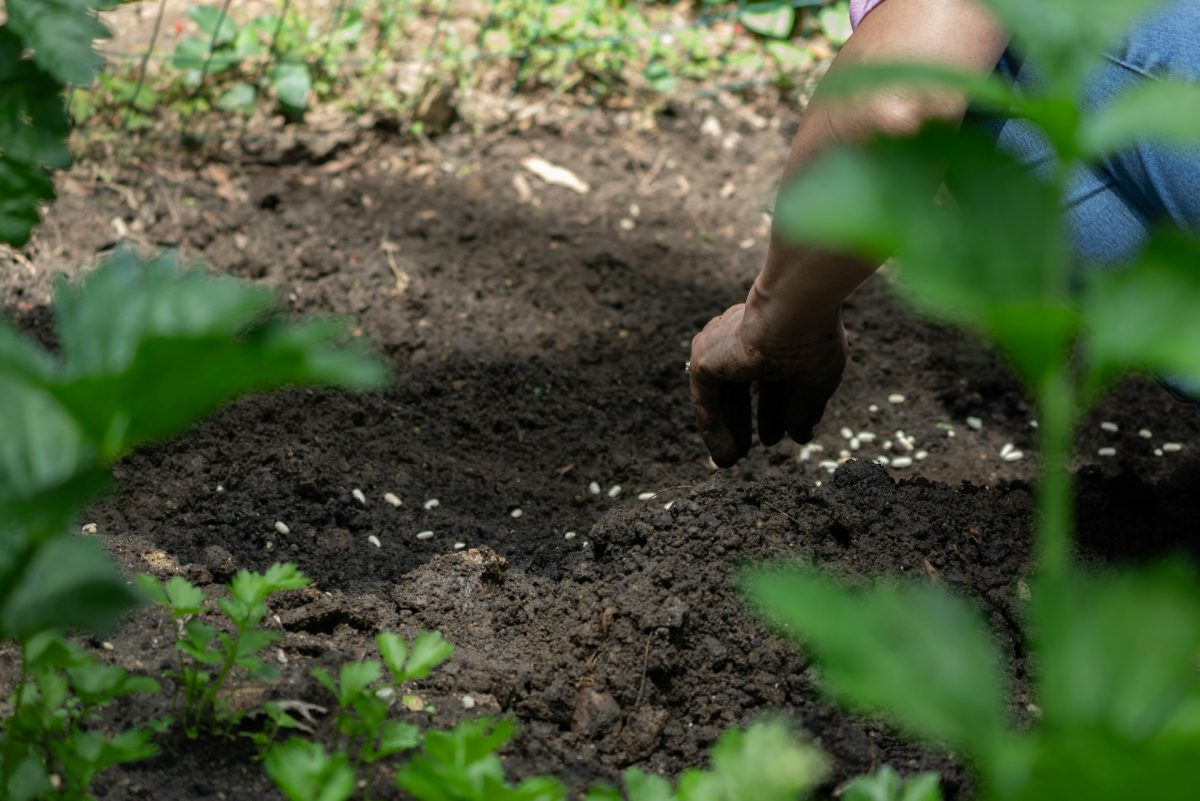
Strong seedlings start with a well-balanced mix that encourages drainage as much as moisture retention. Gardeners should look for blends that combine peat or coco coir with generous amounts of perlite, vermiculite, or composted pine bark. Those materials create air pockets that allow roots to breathe even after heavy watering.
Watering habits also matter. Instead of following a fixed schedule, gardeners should check moisture levels with a finger or a small tool. If the top inch still feels damp, waiting another day can prevent root stress. Elevating containers slightly off the ground can also help excess water drain more freely after rain.
Anyone raising seedlings in humid climates should resist the urge to baby them with constant watering. Healthy roots need a rhythm of moisture and airflow. That balance builds sturdier stems and deeper root systems that handle transplant shock much better.
Stop Blaming the Seeds
Frustration often leads gardeners to question seed quality when seedlings fail. In reality, reputable seed suppliers provide viable seeds that germinate well under proper conditions. When sprouts emerge and then suddenly collapse, soil conditions almost always drive the problem.
Damping-off fungi live naturally in many soils. Overly wet, poorly aerated mixes give them the upper hand. Strong airflow around seedlings, moderate watering, and a lighter soil texture can dramatically reduce losses without any chemical intervention.
Gardeners should also avoid reusing old potting mix for seed starting without refreshing it properly. Over time, organic components break down and compact, which reduces drainage and oxygen flow. Fresh, well-structured soil gives seedlings the environment they need to develop strong roots from day one.
The Real Fix Starts Below the Surface
The South rewards gardeners with long growing seasons, bold flavors, and explosive blooms. It also demands respect for its heat and humidity. Peat-heavy soil mixes, especially those marketed for moisture control, can quietly sabotage young plants when combined with frequent watering and summer storms.
Gardeners across the Southern states can take control of this issue right now by reading ingredient lists on potting mix bags, adding extra perlite or bark when needed, and resisting the instinct to water at the first sign of droop. The soil should support growth, not suffocate it.
What changes have made the biggest difference in your seed-starting success, and have you noticed certain soil mixes performing better in Southern heat? Our comments section is the place to talk about it.
You May Also Like…
Why Tilling Is Secretly Destroying Your Soil Health In 2026
Why This Common Soil Habit Is Secretly Destroying Your Spring Garden
Experts Say These Indoor Greenhouses Are Failing Seedlings in Cold Snaps
9 Seeds You Can Plant Immediately — No Matter the Weather
Why Seedlings Fail in Late Plantings

Brandon Marcus is a staff writer for FrugalGardening.com at District Media, Inc., where he delivers practical gardening advice with a relatable, no-nonsense style. An avid amateur gardener, he holds a BA degree and with over ten years of professional writing experience, he is also an award-winning published author whose first book, Questions For Deep Thinkers, was released by Adams Media. His work has appeared in major publications including Fandom.com, CHUD.com, TheColdWire.com, and Fansided.com.
Leave a Reply