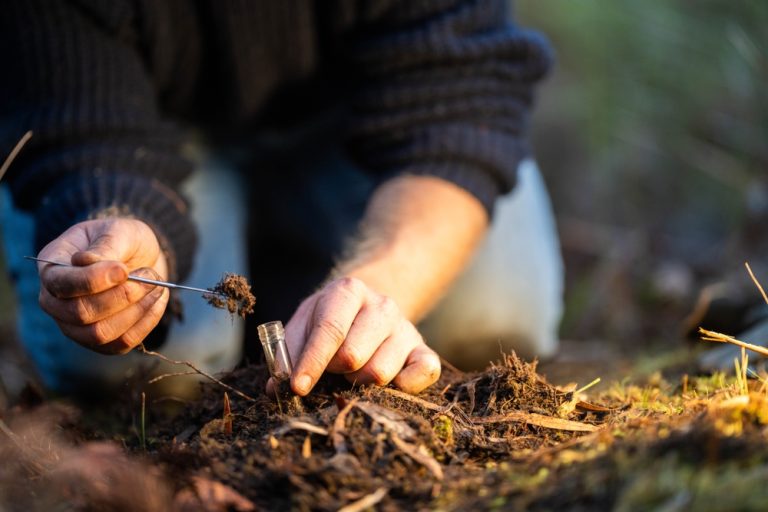
Soil looks simple on the surface, but it behaves more like a living bank account than a pile of dirt. Every scoop holds nutrients, minerals, and microscopic life that directly shape how plants grow, and what they desperately lack. Pennsylvania’s fertilizer law pushes gardeners to think before they scatter anything across a lawn or flower…
garden tips
Roundup Isn’t Glyphosate Anymore: New Formulas Can Leave Residue and Kill Nearby Plants
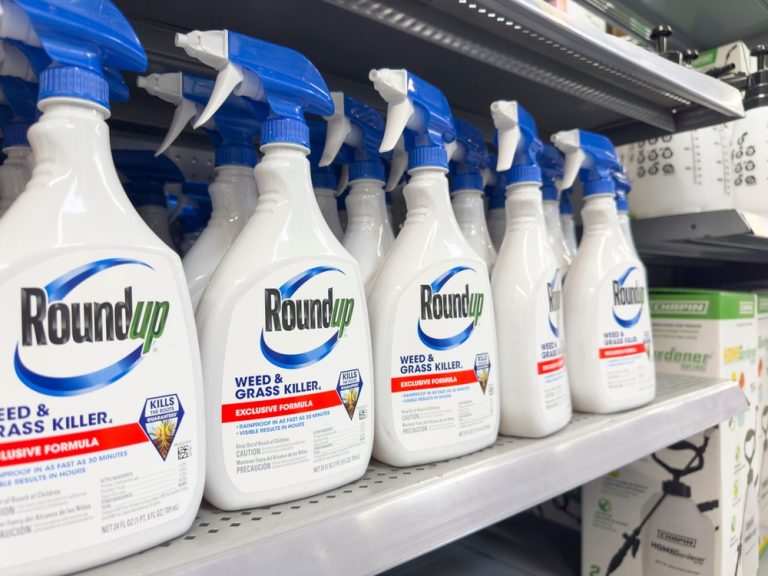
Walk through any garden center and the familiar Roundup label still jumps off the shelf, but what sits inside those bottles does not always match the old expectations. Many gardeners still assume Roundup equals glyphosate and nothing else, yet today’s product lineup includes a mix of active ingredients depending on the version. Some formulas act…
Smart Garden Tech: Drip Irrigation and Soil-Moisture Sensors Conserve Water and Money
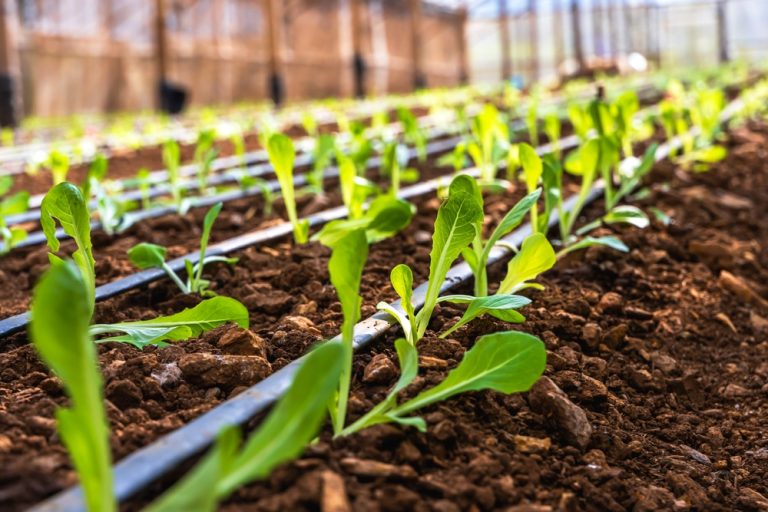
Gardens have always rewarded a little planning, but smart garden tech gives today’s gardeners a serious advantage. Pairing drip irrigation with soil moisture sensors takes much of the guesswork out of watering, helping plants get exactly what they need while keeping more money in your wallet. That means fewer soggy flower beds, fewer stressed vegetables,…
Year of the Tomato: New Blight‑Resistant Varieties Offer High Yields in Cool, Wet Climates

Some gardening seasons feel like a friendly handshake. Others feel like a wrestling match with the weather. Cool temperatures, endless rain, and soggy soil often leave tomato lovers staring at yellow leaves instead of baskets full of ripe fruit. This year, however, brings welcome news for gardeners who refuse to let gloomy skies ruin tomato…
Stop Throwing Away Lawn Clippings: Use “Leaf Litter” as Mulch to Feed Soil and Save Money
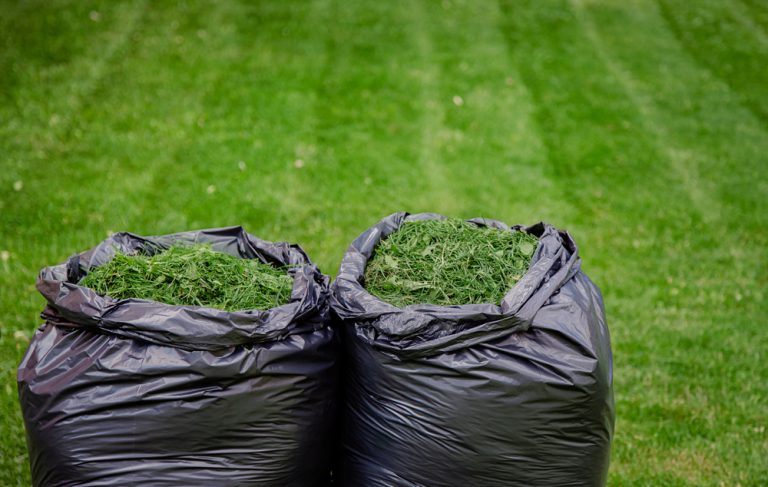
The next time the lawn mower leaves behind a fresh layer of grass clippings, think twice before stuffing them into a bag. Those green leftovers can become one of the cheapest and most effective garden helpers around when used as leaf litter mulch. Instead of paying for bags of mulch every spring, gardeners can recycle…
No‑Mow Flowering Lawns Attract Pollinators and Reduce Maintenance—Here’s How to Start
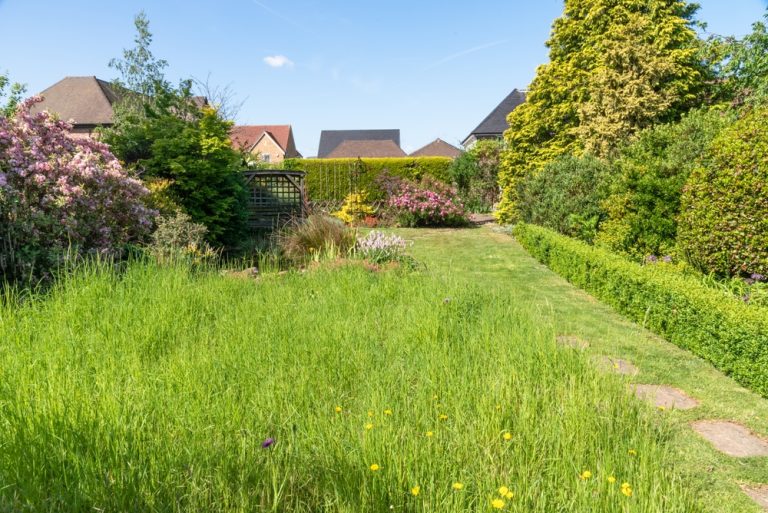
A perfectly trimmed lawn once ruled the neighborhood, but more gardeners now trade endless mowing for colorful blooms and buzzing pollinators. A no-mow flowering lawn offers a practical way to reduce yard work while creating a landscape that feels alive instead of silent. Bees drift from flower to flower, butterflies linger a little longer, and…
Pet‑Friendly Gardening: Non‑Toxic Plants and Shady Spots Make Your Yard Safe for Fido

A gorgeous backyard should welcome every member of the family, including the four-legged ones who sprint through flower beds, sniff every shrub, and somehow discover trouble in record time. Building a pet-friendly garden means choosing plants and features that look fantastic while reducing common hazards for curious dogs. The result feels less like an obstacle…
Attract Hummingbirds and Butterflies with Native Flowering Trees and Shrubs—A Pollinator Garden Guide
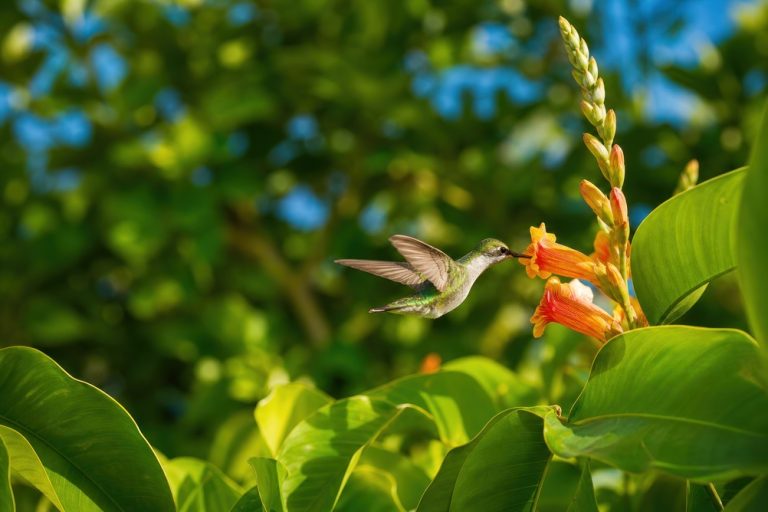
A garden filled with fluttering butterflies and darting hummingbirds never feels ordinary. Native flowering trees and shrubs turn even a simple backyard into a lively destination packed with color, movement, and the gentle buzz of pollinators hard at work. The best part? These plants already belong in the local landscape, so they fit naturally into…
NJ’s Invasive Species Act Bans Bradford Pear, Norway Maple and Other Ornamentals—What to Plant Instead

A familiar landscape is about to look a little different across New Jersey. The state’s Invasive Species Act now prohibits the sale and distribution of several ornamental plants that spent decades filling suburban yards, shopping centers, and neighborhood streets. While some gardeners may feel disappointed to see old favorites disappear, the change opens the door…
Transform Your Side Yard into a Food Forest: Edible Perennials That Require Little Maintenance

Side yards often get ignored, collecting weeds, forgotten tools, and a general sense of “we’ll deal with it later.” Yet that narrow strip of land between house and fence holds serious potential for fresh food, shade, and surprising beauty. A food forest design transforms that overlooked space into a living pantry filled with plants that…