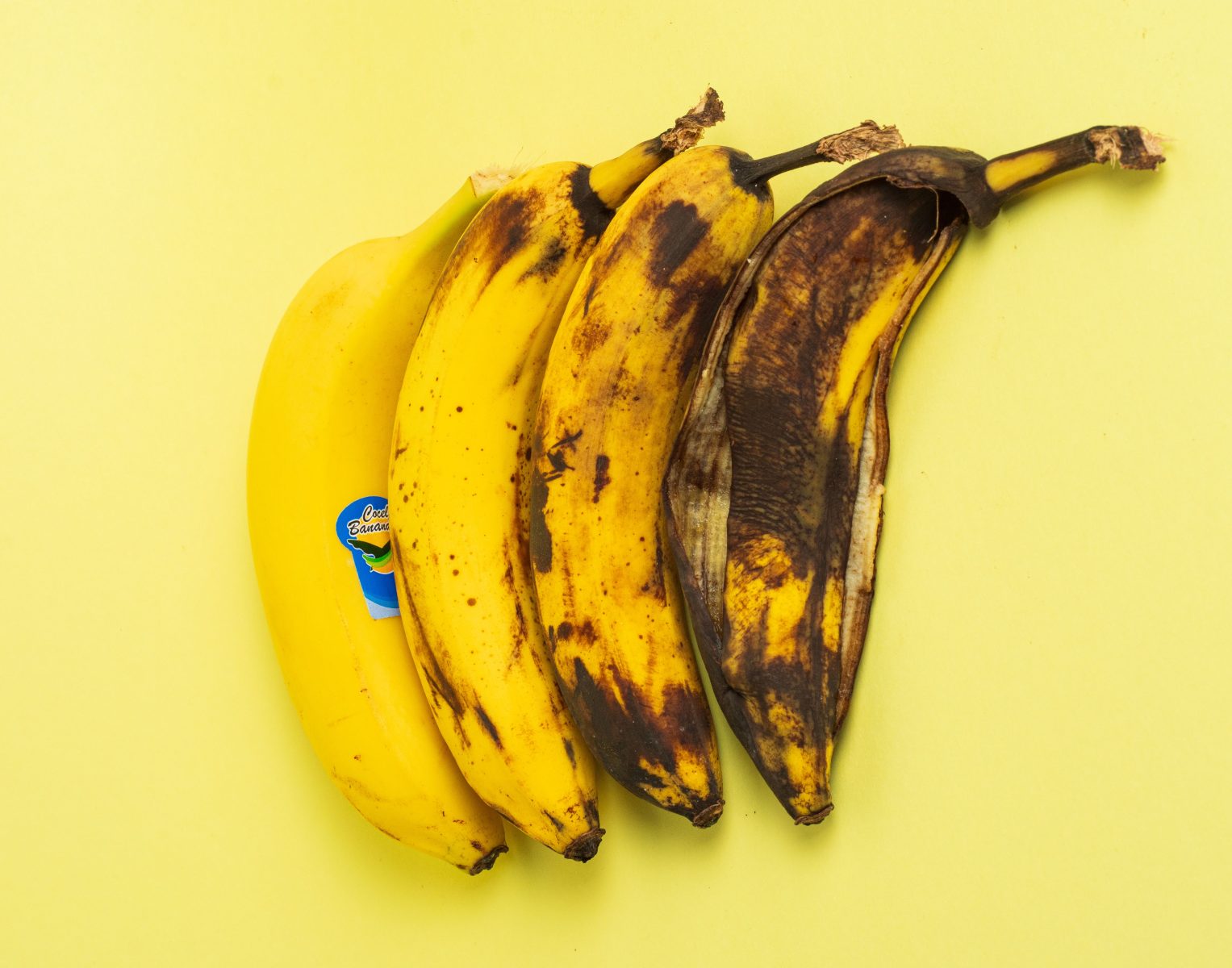
You’ve probably seen the gardening trick circulating online: Save your banana peels, soak them in water, and pour the liquid around your tomatoes, roses, or houseplants. Supposedly, this simple kitchen scrap can replace expensive fertilizer and produce healthier plants with bigger blooms.
It sounds like the perfect gardening hack, especially when you’re trying to grow more while spending less.
But there’s a problem.
Although banana peels contain nutrients that plants need, gardening experts say many popular claims about banana peels as fertilizer are exaggerated or unsupported by scientific research.
In fact, some methods could create more problems than they solve.
Before you start burying banana peels beneath your favorite plants or filling jars with homemade banana water, here’s what horticulture experts actually recommend.
Banana Peels Really Do Contain Valuable Plant Nutrients
The popularity of banana peels as fertilizer isn’t entirely based on fiction because banana peels contain potassium and smaller amounts of other nutrients. Potassium plays an important role in plant growth, water regulation, and overall plant health, making it one of the three primary nutrients listed on commercial fertilizer labels. However, simply having potassium inside a banana peel doesn’t mean that nutrient becomes immediately available to nearby roots. According to the University of Maryland Extension, adding potassium to soil that already contains adequate amounts may provide little benefit. The important question isn’t whether banana peels contain nutrients, but whether your plants actually need those nutrients and can access them.
The Viral Banana Water Trick Has a Major Weakness
One popular gardening method involves soaking banana peels in water for several days and using the resulting liquid as homemade fertilizer. Supporters claim this banana water delivers a concentrated dose of potassium directly to plant roots without requiring expensive gardening products. However, it isn’t aware of research demonstrating that soaking banana peels produces water with meaningful fertilizer strength. While small quantities of nutrients may enter the water, the concentration is unknown and unlikely to replace a balanced fertilizer when plants have significant nutritional needs. Gardeners relying exclusively on banana water could overlook actual deficiencies while assuming their plants are receiving everything necessary for healthy growth.
Burying Banana Peels Can Create Unexpected Problems
Another common recommendation is to bury an entire banana peel beneath tomato plants, roses, or flowering shrubs. Although the peel will eventually decompose, that process doesn’t necessarily provide an immediate nutritional benefit. The University of California Master Gardener Program warns that decomposing banana peels can temporarily tie up nitrogen as microorganisms break down the organic material. Shallowly buried peels may also attract wildlife, including rodents and other animals that dig through garden beds searching for food. Instead of placing fresh scraps directly around established plants, experts generally recommend composting them first.
Your Houseplants May Be Better Off Without Banana Water
Indoor gardeners often encounter recommendations to pour banana peel water into containers containing pothos, peace lilies, or other popular houseplants. However, indoor growing conditions can make decomposing organic material especially troublesome because containers have limited soil volume and less opportunity for natural decomposition. An Ask Extension horticulture response warns that homemade banana peel liquid can encourage fungal and bacterial growth and may create favorable conditions for fungus gnats. These tiny insects thrive in moist environments containing decomposing organic matter, making them particularly frustrating for houseplant owners. If your indoor plants need fertilizer, a properly diluted product formulated for houseplants is generally a more predictable choice than an untested kitchen-scrap mixture.
Composting Banana Peels Is Usually the Smarter Choice
If you want to use banana peels as fertilizer, composting offers a more dependable way to recycle their nutrients. Rather than placing fresh peels directly against plant roots, composting allows organic materials to break down alongside leaves, vegetable scraps, and other biodegradable ingredients. The North Carolina Cooperative Extension recommends composting banana peels because their nutrients become part of a more useful soil amendment after decomposition. Cutting peels into smaller pieces can help them break down more efficiently, especially when the compost pile contains a balanced mixture of nitrogen-rich and carbon-rich materials. Once the compost is mature, gardeners can incorporate it into garden beds or use it around established plants to improve soil quality over time.
Banana Peels Won’t Automatically Produce Bigger Tomatoes
Some online gardening videos suggest that banana peel fertilizer can dramatically increase tomato production or encourage roses to produce more flowers. However, plant productivity depends on several factors, including sunlight, watering, soil conditions, temperature, and access to essential nutrients. Potassium is important for plant health, but adding more doesn’t automatically improve flowering or fruit production when the soil already contains enough. Excessive or unnecessary nutrient applications can also interfere with balanced plant nutrition, making more fertilizer an unreliable solution to poor growth. Before experimenting with banana peels as fertilizer, gardeners should identify whether their plants are experiencing a genuine nutritional deficiency.
A Soil Test Could Save You More Money Than Any Viral Hack
One of the most overlooked ways to save money on gardening supplies is finding out what your soil actually needs before purchasing fertilizer. A soil test can identify nutrient levels, soil acidity, and other conditions that influence how successfully plants grow. Soil testing is recommended rather than assuming kitchen scraps will correct unknown nutrient problems. Depending on your location, cooperative extension programs and soil-testing laboratories may offer affordable testing services with recommendations tailored to particular crops. Spending a modest amount on a soil test could prevent repeated purchases of unnecessary fertilizers and help gardeners avoid treating problems that don’t exist.
There Are Better Ways to Feed Plants Without Overspending
Frugal gardening doesn’t require avoiding commercial fertilizer entirely, but it does mean using products only when they’re genuinely needed. Homemade compost, shredded leaves, and other properly decomposed organic materials can improve soil structure while recycling materials you already have. For plants growing in containers, where nutrients can become depleted more quickly, a measured application of an appropriate fertilizer may be necessary. Choosing fertilizer based on soil-test results, plant requirements, and label instructions is more reliable than assuming every plant needs additional potassium. The goal is to spend less by meeting your plants’ actual needs rather than experimenting with every inexpensive gardening trick circulating online.
Don’t Throw Away Banana Peels — Just Use Them Differently
The truth about banana peels as fertilizer is that they aren’t worthless, but they also aren’t the miracle plant food that viral gardening videos sometimes promise. Their nutrients can contribute to healthier soil through composting, but soaking them in water or burying them whole offers uncertain benefits. Gardeners who want stronger plants should focus on appropriate watering, healthy soil, sufficient sunlight, and balanced nutrition instead of relying on one kitchen scrap. Composting banana peels remains a practical way to reduce household waste while contributing organic matter and nutrients to the garden. Sometimes the smartest money-saving gardening hack is simply using what you already have in a way that actually works.
Have you ever tried banana peel water or buried banana peels around your plants? Did you notice a difference, or do you think this popular gardening trick is overrated? Share your experiences in the comments!
What to Read Next
The Banana Peel Fertilizer: Why Thrifty Gardeners Never Throw Them Out
Leave a Reply