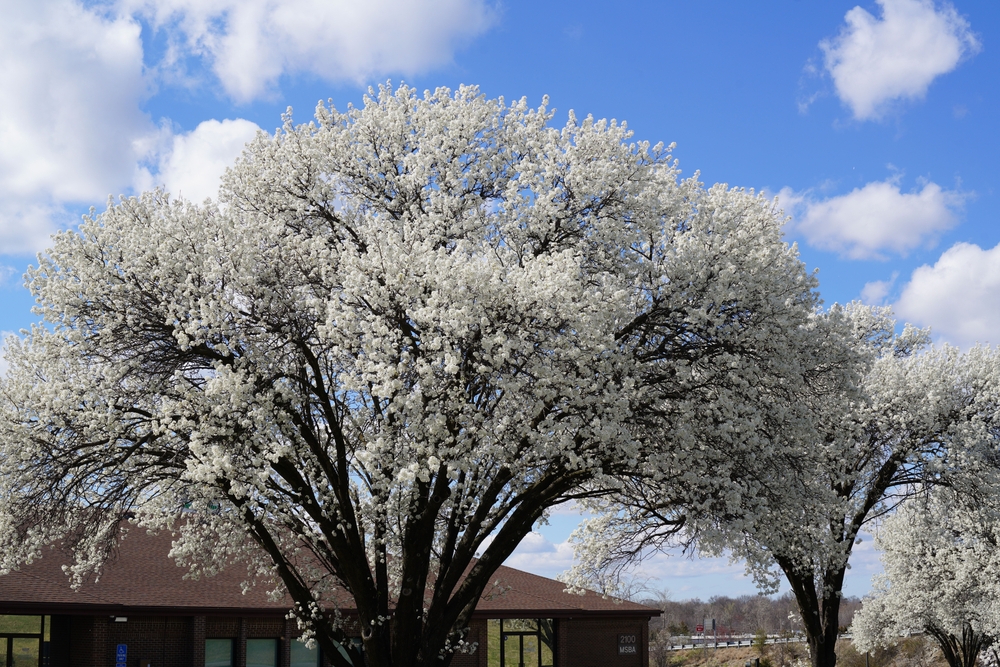
A familiar landscape is about to look a little different across New Jersey. The state’s Invasive Species Act now prohibits the sale and distribution of several ornamental plants that spent decades filling suburban yards, shopping centers, and neighborhood streets. While some gardeners may feel disappointed to see old favorites disappear, the change opens the door to healthier, more resilient landscapes packed with color, wildlife, and seasonal beauty.
Many of these banned plants looked attractive in garden centers, but they escaped into forests, crowded out native species, and created expensive ecological problems. The great news? Gardeners won’t have to settle for dull replacements. Plenty of beautiful trees and shrubs deliver gorgeous flowers, vibrant fall color, and impressive structure without causing headaches for nearby natural areas.
Why These Popular Ornamentals Landed on the Ban List
Bradford pear built a reputation for spectacular white spring blossoms, but that beauty came with a catch. As different cultivars cross-pollinated, they produced fertile seeds that spread rapidly into fields, roadsides, and woodlands, where dense thickets pushed out native vegetation. Norway maple created a different problem by casting such heavy shade that very little could grow beneath its canopy, leaving forest floors sparse and reducing plant diversity.
The law also targets several other ornamental species that escaped cultivation and disrupted local ecosystems. Many homeowners planted these trees and shrubs years ago without realizing their long-term impact because garden centers widely promoted them as dependable landscape choices. Today’s gardeners know much more about how introduced plants behave outside backyard fences, and that knowledge has changed planting priorities for the better.
Better Trees That Bring Beauty Without the Baggage
Gardeners searching for a spring showstopper should take a close look at serviceberry. Its delicate white blossoms appear early, birds eagerly feast on the summer berries, and the foliage finishes the season with brilliant orange and red tones. Unlike Bradford pear, serviceberry supports local wildlife instead of pushing it aside.
Eastern redbud also deserves a prime spot in the landscape. Its rosy pink flowers bloom directly on branches before leaves emerge, creating one of spring’s most cheerful displays. For larger spaces, black gum offers glossy green foliage through summer before putting on an unforgettable autumn performance with shades of scarlet, orange, and gold that often appear on the same tree.
Shrubs and Small Plants That Earn Their Place
Replacing invasive shrubs gives gardeners a chance to build landscapes that buzz with butterflies, bees, and songbirds throughout the growing season. Virginia sweetspire delivers fragrant white flower spikes in late spring and fiery burgundy foliage in autumn, while arrowwood viburnum produces creamy blossoms followed by berries that birds quickly discover. Both shrubs fit comfortably into home landscapes without spreading into nearby natural areas.
Winterberry holly brings another layer of seasonal interest with bright red berries that brighten cold winter days after leaves drop. Native chokeberry adds glossy foliage, spring flowers, and colorful fruit that wildlife appreciates even after frost arrives. These plants work hard every month of the year instead of delivering one brief moment of beauty before creating years of maintenance problems elsewhere.
Before You Reach for the Shovel, Make a Smart Plan
Homeowners do not need to panic or rush outside with a chainsaw simply because a banned tree already grows in the yard. Existing specimens can generally remain in place unless they pose a safety risk or local regulations require removal. However, replacing aging or damaged invasive trees with better alternatives prevents future problems and helps nearby natural habitats recover over time.
When shopping for new plants, read labels carefully instead of buying solely based on appearance. Many garden centers now highlight native species or environmentally responsible selections, making the decision much easier than it once was. A few extra minutes spent choosing the right tree today can save years of frustration later while creating a yard that attracts birds, butterflies, and plenty of compliments from neighbors.
A Greener Yard Starts With Better Choices
Gardens constantly evolve, and that makes this moment more exciting than discouraging. Retiring invasive ornamentals gives homeowners an opportunity to create landscapes filled with plants that offer beauty, seasonal interest, and genuine ecological value all at once. Instead of watching one species dominate every corner, gardeners can enjoy landscapes packed with texture, flowers, colorful foliage, and visiting wildlife throughout the year.
Which native tree or shrub has become a favorite in the garden, and would it earn a recommendation in the comments?
You May Also Like…
Local Weed Laws Are Changing: Know Which Lawn Alternatives Are Permitted Before You Plant
Why More Homeowners Are Planting Fruit Trees Again
The Orchard Hack: How to Grow Fruit Trees from Grocery Store Scraps
7 Companion Pairings That Boost Growth Naturally
5 Growth Techniques That Improve Results

Brandon Marcus is a staff writer for FrugalGardening.com at District Media, Inc., where he delivers practical gardening advice with a relatable, no-nonsense style. An avid amateur gardener, he holds a BA degree and with over ten years of professional writing experience, he is also an award-winning published author whose first book, Questions For Deep Thinkers, was released by Adams Media. His work has appeared in major publications including Fandom.com, CHUD.com, TheColdWire.com, and Fansided.com.
Leave a Reply