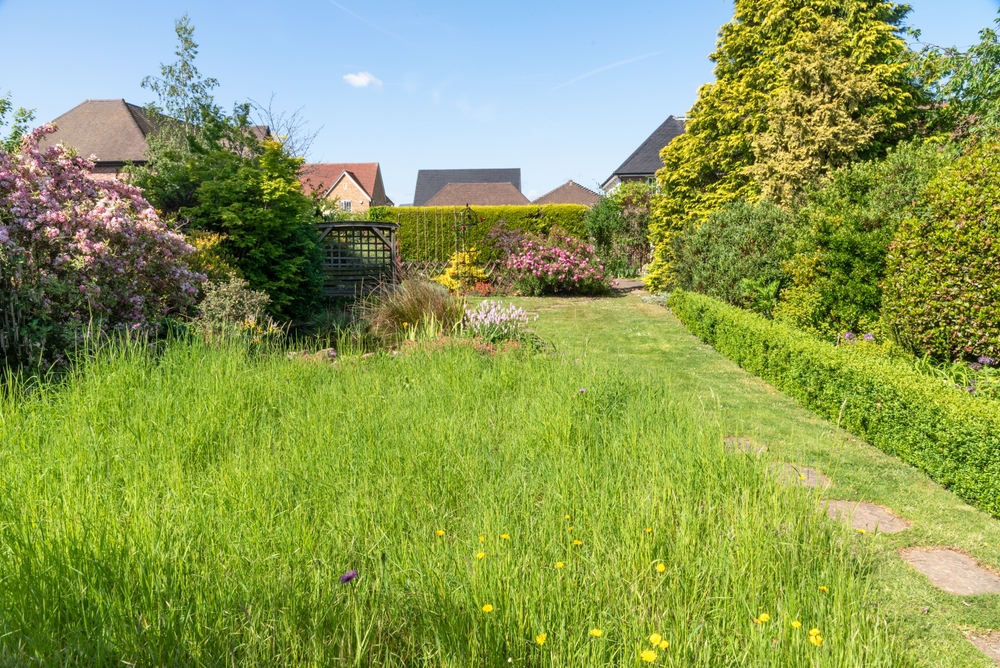
A perfectly trimmed lawn once ruled the neighborhood, but more gardeners now trade endless mowing for colorful blooms and buzzing pollinators. A no-mow flowering lawn offers a practical way to reduce yard work while creating a landscape that feels alive instead of silent.
Bees drift from flower to flower, butterflies linger a little longer, and the mower spends more time in the garage. Even better, this approach does not require tearing up the entire yard overnight, which makes it surprisingly easy for almost any homeowner to try.
Why a No-Mow Flowering Lawn Makes So Much Sense
A no-mow flowering lawn replaces part or all of a traditional turf lawn with low-growing flowering plants that tolerate occasional foot traffic and need far fewer haircuts. Many gardeners mix species such as white clover, self-heal, creeping thyme where climates allow, and regionally appropriate native flowers to create a colorful carpet that changes with the seasons. The result looks relaxed instead of rigid, yet it still feels intentional when edged neatly around paths and garden beds. That combination of beauty and practicality explains why this landscaping style continues to gain attention.
The biggest surprise often comes after the first growing season because maintenance becomes much simpler. Less mowing means less fuel, less noise, and fewer weekends spent circling the yard behind a lawn mower. Many flowering lawn plants also shade the soil, which helps slow moisture loss and can reduce the need for frequent watering once established, although local climate always plays a major role. Pollinators gain valuable nectar sources at the same time, turning an ordinary yard into an active habitat instead of an empty patch of green.
Picking the Right Plants for Long-Term Success
The best no-mow flowering lawn always starts with plants that match local conditions rather than chasing trendy seed mixes from another region. Native flowering species usually adapt better to local weather, support nearby pollinators, and require less attention after establishment. White clover remains a popular addition because it stays relatively low, fixes nitrogen in the soil, and blends well with existing grass. Before buying seeds, gardeners benefit from checking which flowering groundcovers perform well in their growing zone.
Mixing several compatible plants usually produces stronger results than relying on a single species. Different bloom times provide food for pollinators across more of the growing season while creating changing colors throughout the year. Some plants handle sunny, dry areas beautifully, while others prefer partial shade or heavier soils. Matching each plant to the right location prevents disappointment and reduces the temptation to replace struggling patches every spring.
Starting Small Beats Starting Over
One of the easiest mistakes involves removing every blade of grass before testing the idea. Instead, converting one section of the yard gives gardeners a chance to watch how different plants perform without committing the entire landscape. A sunny front strip, an unused side yard, or the area around fruit trees often makes an ideal starting point. That smaller experiment also builds confidence before expanding the planting into larger spaces.
Preparation matters just as much as plant selection. Removing aggressive weeds, loosening compacted soil when needed, and giving young seedlings consistent moisture during establishment all increase the odds of success. Patience also pays off because flowering lawns rarely look finished after only a few weeks. By the second growing season, many plantings begin filling empty spaces naturally, creating the soft, colorful look that attracts so much attention.
Expect Wildlife, But Keep Expectations Realistic
A flowering lawn quickly invites more life into the yard, and that remains one of its greatest rewards. Bumblebees, native bees, butterflies, and beneficial insects often appear more frequently once reliable nectar becomes available. Birds may also visit more often because flowering landscapes support the insects many species feed to their young. Watching that steady parade of visitors adds a whole new layer of enjoyment to an ordinary afternoon outdoors.
At the same time, a no-mow flowering lawn does not eliminate every gardening chore. Most flowering lawns still benefit from occasional mowing once or several times a year, depending on the plant mix and the desired appearance. Some weeds still appear, especially during establishment, and homeowners who expect a perfectly uniform golf-course look will likely feel disappointed. This style celebrates a softer, more natural appearance that values biodiversity over perfection.
Let Your Lawn Tell a Different Story
A yard does not need constant mowing to look attractive or well cared for. A thoughtfully planned no-mow flowering lawn replaces endless maintenance with changing blooms, busy pollinators, and a landscape that feels more connected to nature. Starting with one manageable section keeps costs reasonable and allows plenty of room to learn before expanding the project. Before long, the loudest sound in the yard may come from buzzing bees instead of a mower engine.
What would inspire the first patch of a no-mow flowering lawn in your yard, and which flowers would make your must-have list? Share your thoughts and experiences in the comments below.
You May Also Like…
Why More Homeowners Are Turning Their Lawns Into Pollinator Gardens
Why More People Are Choosing Functional Landscaping Over Traditional Lawns
Local Weed Laws Are Changing: Know Which Lawn Alternatives Are Permitted Before You Plant
Why More Americans Are Creating “No-Mow” Yards
Why Native Wildflower Gardens Are Suddenly Everywhere

Brandon Marcus is a staff writer for FrugalGardening.com at District Media, Inc., where he delivers practical gardening advice with a relatable, no-nonsense style. An avid amateur gardener, he holds a BA degree and with over ten years of professional writing experience, he is also an award-winning published author whose first book, Questions For Deep Thinkers, was released by Adams Media. His work has appeared in major publications including Fandom.com, CHUD.com, TheColdWire.com, and Fansided.com.
Leave a Reply