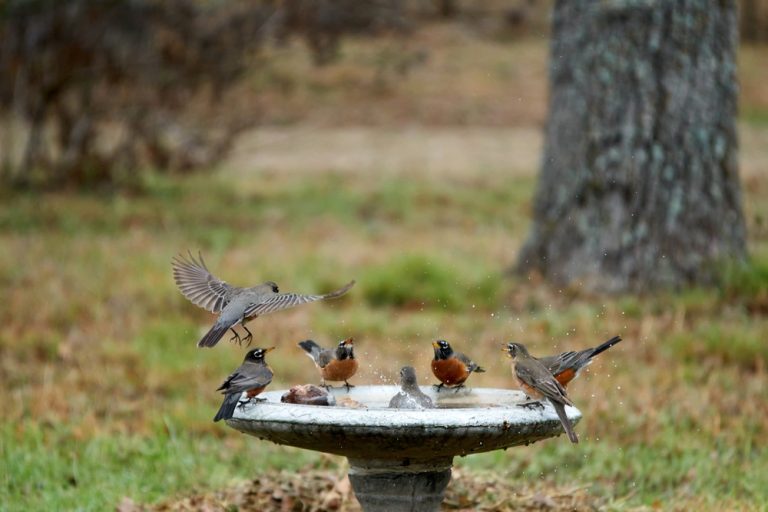
A clean birdbath gives backyard birds something far more valuable than a fancy garden accessory: dependable fresh water. The best cleaning method removes algae, droppings, grime, and potentially harmful germs without leaving behind soap, chemicals, or other residues that birds can ingest or spread through their feathers. The trick involves less chemistry and more consistency….
garden tips
Can You Store Seed Potatoes From This Year’s Harvest?
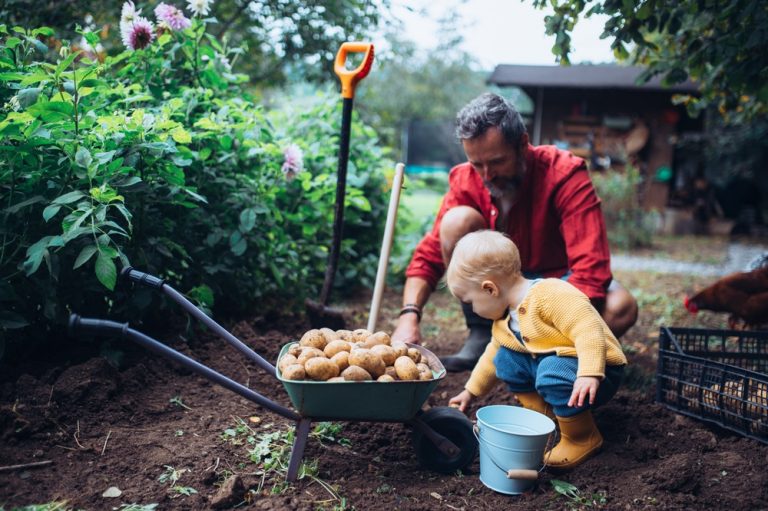
Gardeners can store potatoes from this year’s harvest and plant them next season, but that does not make every potato in the harvest a good seed potato. The temptation makes perfect sense: a basket of beautiful homegrown tubers sits on the counter, and suddenly the grocery-store seed potato purchase looks completely unnecessary. The catch involves…
8 Crops That Can Be Harvested Well Into Chilly Weather
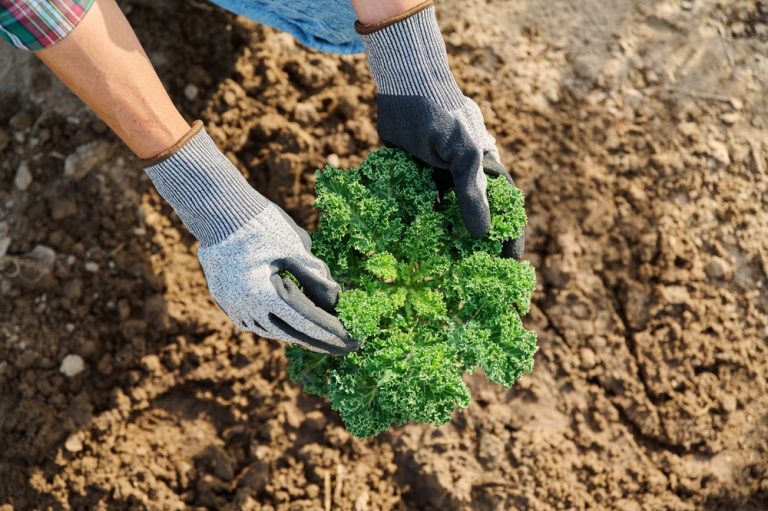
Summer does not get the final word in the vegetable garden. Several crops actually prefer the cooler conditions of fall, allowing gardeners to keep snipping, pulling, digging, and harvesting long after heat-loving tomatoes and peppers have called it a season. This involves choosing crops that tolerate cold and timing them so they reach useful size…
Why Are Your Leeks Thinner Than Pencils?
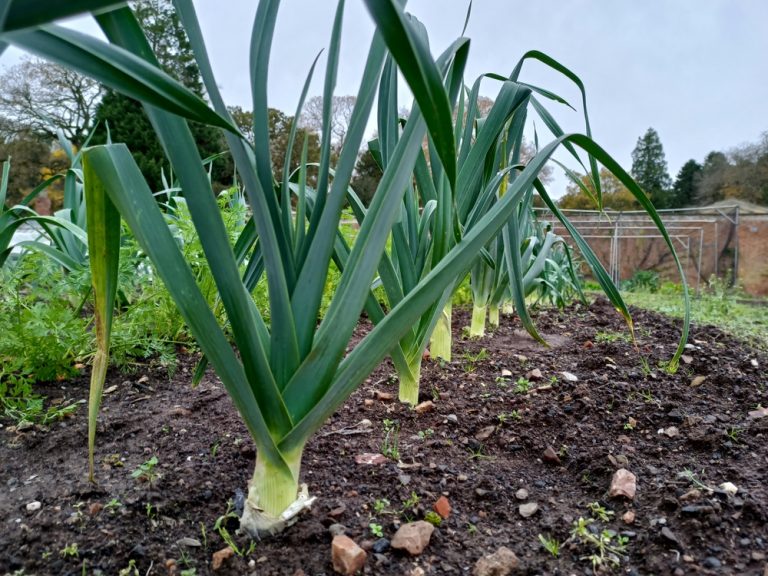
When leeks come out of the garden looking more like green drinking straws than sturdy vegetables, something has gone sideways. Those skinny stalks usually point to a growing problem involving timing, spacing, moisture, sunlight, soil, or some combination of the usual suspects. Thin leeks rarely require some mysterious gardener-only trick involving moon phases and a…
Are Ornamental Grasses Becoming the Backbone of Climate-Ready Gardens?
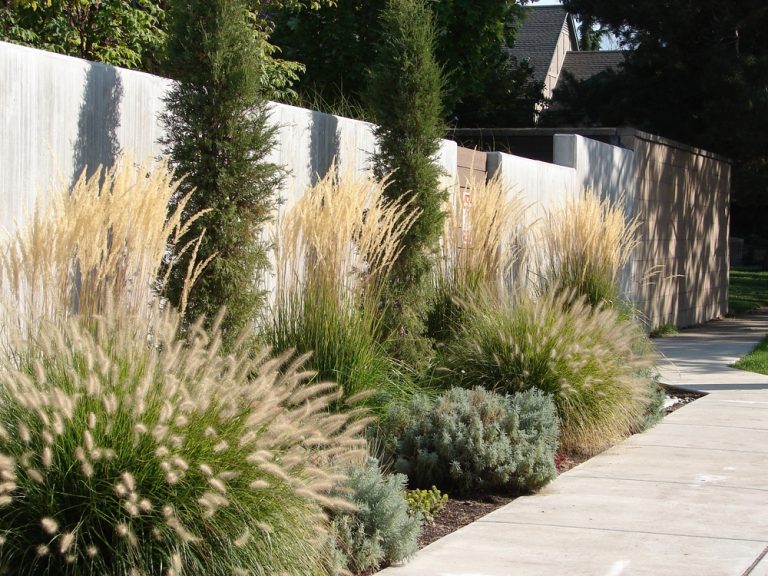
Are ornamental grasses becoming the backbone of climate-ready gardens? In many landscapes, the answer looks increasingly like a graceful clump of grass waving in the breeze while everything around it complains about heat, dry soil, or a sudden deluge. Tough ornamental grasses can handle a remarkable range of conditions, offer structure long after summer flowers…
5 Ways to Reduce Plant Losses During Late-Summer Travel
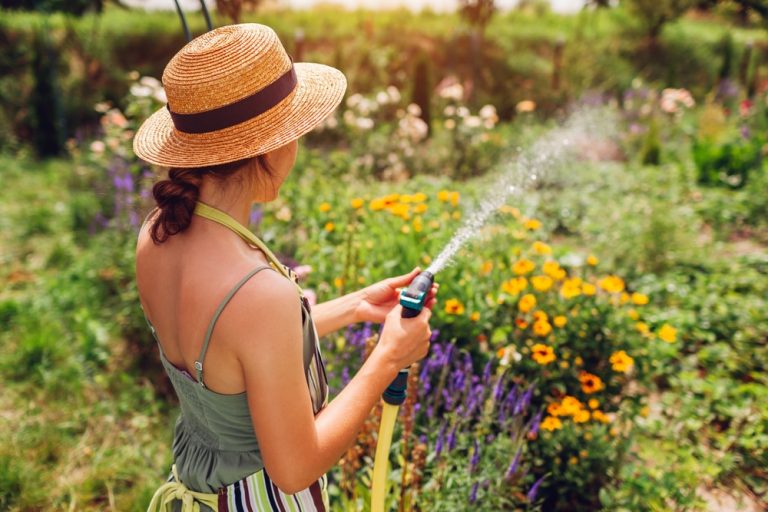
Late-summer travel can create a surprisingly awkward problem for gardeners: the suitcase gets packed, the itinerary looks fantastic, and the tomato plants remain at home silently wondering who will handle their hydration. A few days without attention can stress containers, newly planted shrubs, vegetables, hanging baskets, and thirsty houseplants, especially when heat and wind accelerate…
What Should You Do When Peaches Ripen All at Once?
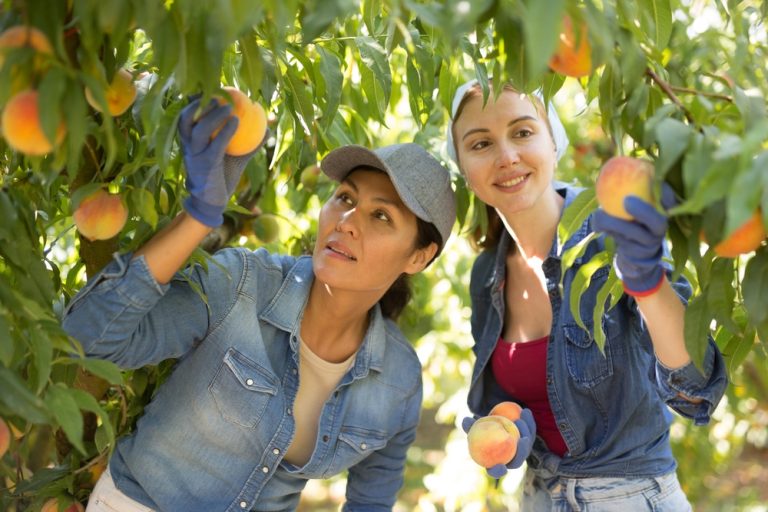
Peaches have a spectacular talent for creating a very specific kind of gardening panic: producing a mountain of gorgeous fruit at exactly the same time. One afternoon, the tree looks ordinary, and a few days later, the branches seem to have joined a conspiracy against the household refrigerator. The good news is that an overflowing…
Can You Grow Mâche Where Summer Lettuce Failed?
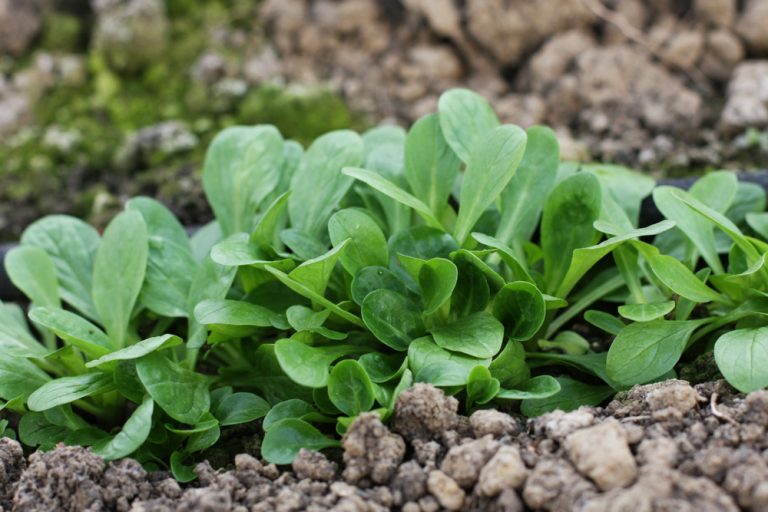
Summer lettuce can be a bit of a drama queen. Give it too much heat, let the soil dry out, or ask it to keep producing when the thermometer starts climbing, and suddenly that promising patch of crisp green leaves turns into a bitter, bolting mess. Mâche, also called corn salad or lamb’s lettuce, offers…
7 Frugal Garden Projects to Finish Before Daylight Shrinks
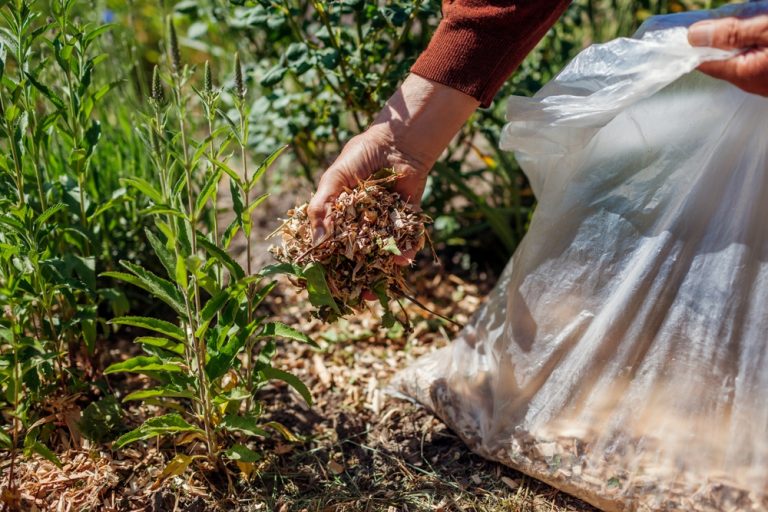
Summer has a sneaky way of making the garden feel endless. Then one afternoon arrives when dinner somehow needs to happen before the sun disappears, and suddenly every unfinished garden chore starts waving from across the yard. Thankfully, several worthwhile projects cost little or nothing, and finishing them now can make next season easier, cheaper,…
Why Do Some Pumpkins Turn Orange Long Before Harvest?
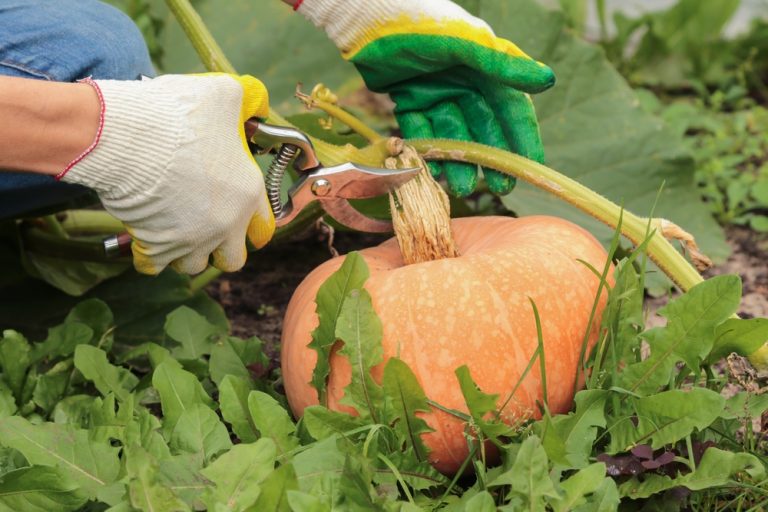
A pumpkin can flash its Halloween-ready orange weeks before the calendar says it should, leaving gardeners with one very reasonable question: Is that pumpkin actually ripe, or is it simply showing off? Color plays an important role in pumpkin maturity, but orange skin alone does not mean the fruit has finished developing. Pumpkins change color…