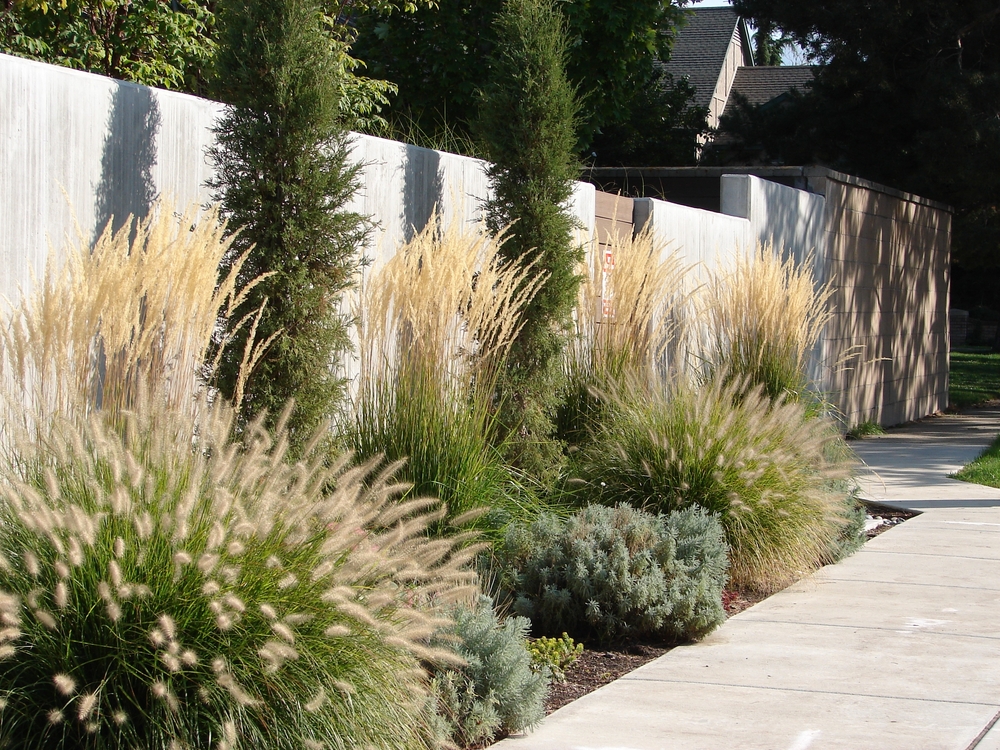
Are ornamental grasses becoming the backbone of climate-ready gardens? In many landscapes, the answer looks increasingly like a graceful clump of grass waving in the breeze while everything around it complains about heat, dry soil, or a sudden deluge. Tough ornamental grasses can handle a remarkable range of conditions, offer structure long after summer flowers fade, and often ask for less water and fuss once they establish.
That does not make every ornamental grass a magic plant, however. Climate-ready gardening still starts with the boring-but-brilliant rule of putting the right plant in the right place, because a drought-tolerant grass planted in soggy soil can struggle just as surely as a moisture-loving plant planted beside a baking driveway. The real appeal comes from choosing grasses that match local soil, sunlight, moisture, and winter conditions, then using them as part of a broader planting rather than treating the garden like a grass-only buffet.
Grasses Bring Prairie Toughness to the Flower Bed
Warm-season ornamental grasses make particularly interesting climate-ready candidates because many evolved with hot summers, periodic drought, and dramatic seasonal swings. Native choices such as little bluestem, switchgrass, prairie dropseed, and big bluestem can handle conditions that make some fussier perennials look ready to file a formal complaint. Penn State notes that warm-season grasses often tolerate heat and drought well, while their deep root systems can help hold soil in place.
That toughness also gives gardeners something more valuable than a plant that merely survives a rough week. Little bluestem can bring blue-green foliage in summer and reddish tones in fall, while switchgrass adds upright form and movement without demanding a constant parade of fertilizer and water. These grasses also provide seed heads and shelter that can benefit birds and other wildlife, especially when gardeners leave the old foliage standing through winter instead of reaching for the shears the moment autumn arrives.
Less Water Does Not Mean Zero Water
A climate-ready garden should use water intelligently, not pretend water has become optional. Newly planted grasses need regular watering while their roots establish, and even drought-tolerant species can suffer during prolonged heat or exceptionally dry conditions.
Once established in a suitable location, however, many ornamental grasses can reduce the irrigation burden compared with thirsty landscape choices. Deep-rooted native grasses can explore soil moisture below the surface, while mulch around the planting area can slow evaporation and protect the soil from rapid moisture loss. The smart move involves watering deeply when plants need it, checking the actual soil rather than following a rigid calendar, and resisting the temptation to drown a drought-tolerant plant simply because the sprinkler happens to be running nearby.
They Handle Weather Whiplash Better Than Expected
Climate-ready gardens face more than drought, because weather can swing from dry conditions to heavy rain with astonishing speed. Soil type matters here: sandy soil drains quickly but loses moisture faster, while clay can retain water yet create problems when intense rainfall leaves roots sitting in saturated soil. Gardeners can improve resilience by matching grasses to those conditions rather than forcing one plant to perform everywhere.
Some native prairie grasses offer an especially useful combination of traits for landscapes that experience heat, drought, and occasional heavy rain. Switchgrass, for example, tolerates heat and drought while also handling somewhat poorly drained sites better than many other warm-season grasses. That does not mean every ornamental grass belongs in a rain garden, but it does show why plant selection matters more than simply buying whatever grass looks attractive on the nursery bench.
The Right Grass Can Replace a Lot of Garden Fuss
Ornamental grasses also earn their reputation through sheer garden usefulness. Garden designers can use them as borders, screens, focal points, erosion-control plants, groundcovers, or soft vertical accents that break up a bed packed with rounded flowers. Their foliage moves in wind, their seed heads add texture, and many remain attractive well after frost knocks traditional summer color out of commission.
Maintenance still matters, but the routine often stays pleasantly simple after establishment. Many grasses benefit from a late-winter or early-spring cutback, and gardeners should choose clumping species carefully if they want a tidy planting because some grasses spread more aggressively than others. A grass that behaves beautifully in one garden can become an enthusiastic space invader in another, so checking mature size and growth habit before planting can prevent a future wrestling match with the shovel.
Build a Grass Garden, Not a Grass Monoculture
The strongest climate-ready landscape rarely consists of one plant repeated like wallpaper. Grasses work better as the structural layer among flowering perennials, shrubs, sedges, and other plants suited to the same conditions, creating a garden with different heights, bloom periods, textures, and wildlife resources. Prairie gardens offer a useful model because grasses provide structure and competition against weeds while flowering plants add seasonal color and resources for insects and birds.
For a practical starting point, place a few upright grasses behind shorter perennials, tuck fine-textured grasses along a walkway, or use a larger native grass as an anchor near a sunny fence. Choose plants according to the actual site, including sunlight, drainage, soil texture, mature size, and local hardiness, rather than choosing solely by appearance. A climate-ready garden should still look intentional and beautiful, because resilience does not require turning the backyard into a botanical waiting room.
The Grass at the Center of the Garden’s Future
Ornamental grasses increasingly deserve a starring role because they combine visual drama with practical qualities that suit increasingly unpredictable growing conditions. They can tolerate heat and drought, protect soil, provide winter structure, and support wildlife while giving gardens that wonderfully loose, natural movement that no plastic landscape ornament can quite replicate.
Still, the best grass depends entirely on the garden around it. A native prairie grass may perform beautifully in full sun and well-drained soil but struggle in deep shade, while a shade-tolerant sedge may prefer conditions that would make a sun-loving bluestem miserable. The goal is not to plant more grass simply because grass looks tough, but to select the right grasses as part of a diverse landscape designed to handle heat, drought, heavy rain, and seasonal change with fewer resources and less drama.
Which ornamental grass has earned a permanent place in the garden, or which one are you considering adding next?
You May Also Like…
Should You Stop Mowing Dormant Grass During a Dry Spell?
8 Ornamental Grasses That Peak in Fall
5 Garden Crops That Can Double as Attractive Border Plants
Year of the Tomato: New Blight‑Resistant Varieties Offer High Yields in Cool, Wet Climates
8 Warm Climate Favorites That Handle Heat Easily

Brandon Marcus is a staff writer for FrugalGardening.com at District Media, Inc., where he delivers practical gardening advice with a relatable, no-nonsense style. An avid amateur gardener, he holds a BA degree and with over ten years of professional writing experience, he is also an award-winning published author whose first book, Questions For Deep Thinkers, was released by Adams Media. His work has appeared in major publications including Fandom.com, CHUD.com, TheColdWire.com, and Fansided.com.
Leave a Reply