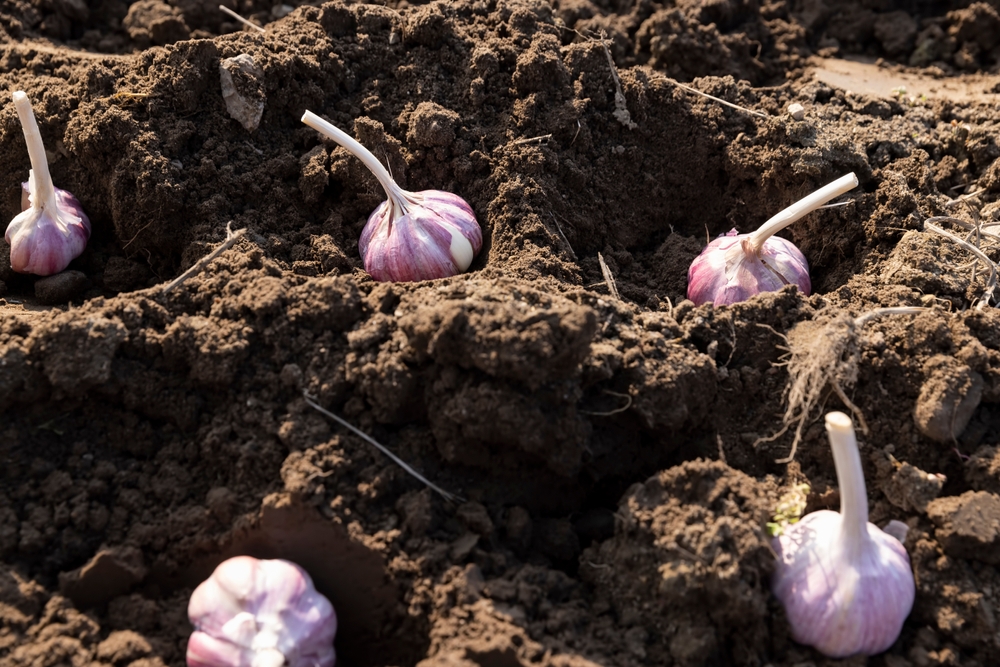
Garlic belongs in the fall garden, but the calendar matters more than many gardeners realize. Plant too early and the cloves can push up tender growth before winter, while planting too late can leave them scrambling to build the root system they need.
That makes garlic a little different from the vegetables that demand attention during summer. Once planted, the cloves spend the colder months quietly building roots beneath the soil, then put much more energy into leafy growth and bulb development when spring arrives.
The Sweet Spot Comes Before the Ground Freezes
Garlic needs enough fall time to establish roots before the soil locks up for winter, but gardeners should avoid planting so early that vigorous shoots emerge well above the soil. Penn State Extension recommends planting early enough for root development while avoiding excessive top growth before severe cold arrives.
That window changes with climate, which makes local frost patterns more useful than blindly circling a date on the calendar. In colder regions, gardeners often plant after the first killing frost, while warmer areas can push planting later into fall, and Utah State University lists late September through early November as a general window for its climate.
Planting Too Early Can Create a Winter Headache
An early planting date does not automatically produce an earlier or better garlic harvest. If cloves go into warm soil too soon, they may send shoots above the surface before winter settles in, leaving tender growth exposed to freezing temperatures.
A little green showing before winter does not necessarily spell disaster, so there is no need to panic if a shoot makes a surprise appearance. A layer of straw mulch can help protect emerging growth, reduce frost heaving, conserve moisture, and suppress weeds through the colder months.
Planting Too Late Creates a Different Problem
Waiting until winter feels fully established can rob garlic of valuable root-building time. The cloves need time underground to develop a strong root system before the ground freezes, even though gardeners may see little happening above the soil.
That quiet period actually matters for the harvest that comes later, because spring growth depends on the foundation established during fall and winter. Spring planting can still produce garlic in some regions, but extension guidance notes that bulbs often turn out smaller than those from fall-planted cloves.
Give Each Clove the Right Starting Conditions
Choose large, healthy planting cloves from a reputable seed source rather than automatically grabbing a bulb from the grocery store. Penn State Extension notes that grocery-store garlic may come from varieties poorly suited to a particular growing area or may receive treatment that makes it harder to grow.
Prepare a sunny bed with fertile, well-drained soil because soggy ground can invite bulb diseases and poorly formed roots. Plant each clove with the pointed end facing upward, generally around 1 to 3 inches deep depending on the variety and local guidance, and give the cloves enough space to develop full bulbs.
Mulch Now, Then Let Winter Do Its Thing
After planting, a layer of straw or another suitable organic mulch can make the bed much easier to manage through winter. Mulch helps moderate soil conditions, protects against frost heaving, holds moisture, and gives weeds fewer opportunities to steal the spotlight.
The garden may look remarkably uneventful for several months, but that does not mean the garlic has gone on vacation. Roots continue developing underground, while the real show begins when spring arrives and the plants produce the leafy growth that supports bulb formation.
A Little Fall Patience Pays Off in Summer
The best garlic harvest starts long before the bulbs appear, which makes fall planting a game of timing rather than speed. Watch local frost patterns, prepare the soil before planting day, and aim for a period when the cloves can establish roots without making a large amount of tender top growth before winter.
Then leave the bed alone except for sensible winter care and moisture management. When spring arrives, keep weeds under control and provide the growing conditions the plants need, because those green leaves eventually help build the bulbs that land on the kitchen counter months later.
What month do you usually plant garlic in your garden, and have you ever planted too early or too late?
You May Also Like…
Can You Use a Laundry Basket to Cure Onions and Garlic?
What Should You Do With Garlic Beds After Harvest?
The Surprising Reason Your Garlic Isn’t Sprouting—And What to Do Before February
Why Garlic and Shallots Thrive When Planted Now
September Isn’t the End of the Vegetable Garden: These 8 Crops Can Still Go in the Ground

Brandon Marcus is a staff writer for FrugalGardening.com at District Media, Inc., where he delivers practical gardening advice with a relatable, no-nonsense style. An avid amateur gardener, he holds a BA degree and with over ten years of professional writing experience, he is also an award-winning published author whose first book, Questions For Deep Thinkers, was released by Adams Media. His work has appeared in major publications including Fandom.com, CHUD.com, TheColdWire.com, and Fansided.com.
Leave a Reply