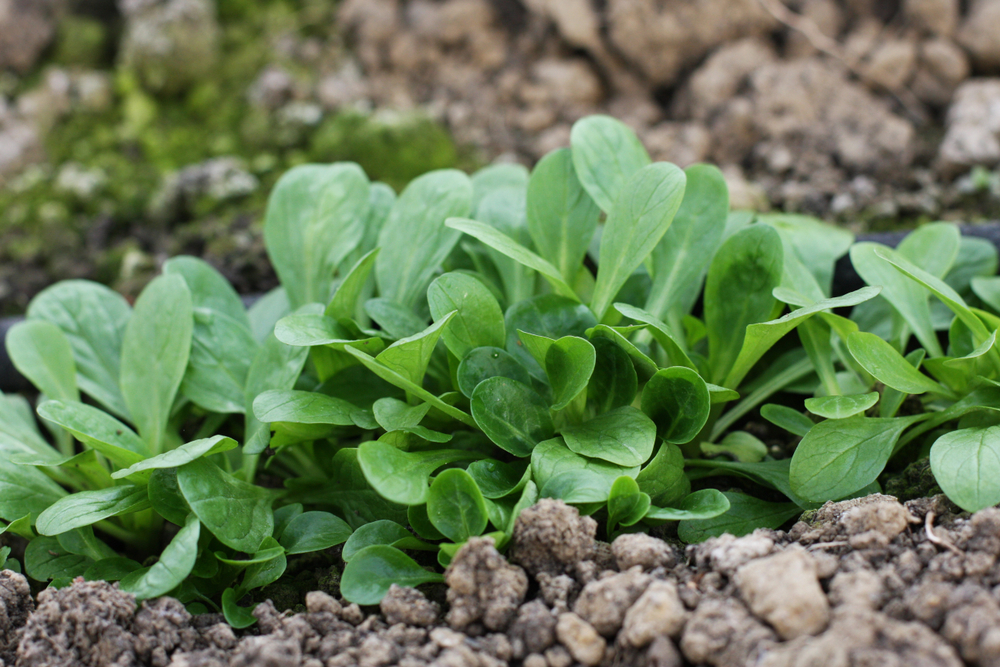
Summer lettuce can be a bit of a drama queen. Give it too much heat, let the soil dry out, or ask it to keep producing when the thermometer starts climbing, and suddenly that promising patch of crisp green leaves turns into a bitter, bolting mess. Mâche, also called corn salad or lamb’s lettuce, offers a very different strategy because this petite salad green prefers the cool conditions that make summer lettuce struggle.
That does not mean mâche can magically turn July into October. In fact, planting it in hot soil can create a whole new gardening headache because its seeds may sit dormant instead of germinating. The trick involves timing the crop for cooler weather, giving its shallow roots consistent moisture, and resisting the temptation to treat this little rosette like a miniature head of lettuce.
Mâche Plays by a Different Seasonal Rulebook
Mâche belongs to the cool-season vegetable crowd, along with crops such as spinach and many salad greens, so it actually makes sense when lettuce starts waving the white flag. It grows as a low rosette of spoon-shaped leaves with a mild, slightly nutty flavor, and the plants stay much smaller than typical leaf lettuce.
The big difference appears when temperatures climb, because mâche dislikes hot weather just as much as lettuce does, but gardeners can schedule it around that weakness. Seed companies recommend sowing when soil temperatures fall into a cool range, and one major seed source warns that temperatures above about 70°F can push mâche seed into dormancy.
That makes late summer and early fall especially interesting for gardeners who watched spring lettuce struggle through heat. Instead of trying to force another lettuce crop into increasingly warm conditions, wait for the soil to cool and then give mâche a fresh start. In many gardens, that simple calendar change matters more than any fancy fertilizer or elaborate growing gadget.
Why Mâche Can Succeed After Lettuce Fails
The most useful feature of mâche involves its ability to occupy the cool-weather window that gardeners often waste after the summer vegetable garden starts winding down. University of California gardening guidance recommends planting mâche in late summer for fall harvests, while other extension guidance recommends fall sowing for harvests that continue into winter or early spring.
Mâche also brings a different shape to the garden, forming compact rosettes close to the soil rather than producing a large leafy canopy. That habit makes it easy to tuck into an open bed, a container, or a spot where a summer crop recently finished. Because the plants stay small, keep taller vegetables from shading them completely, while a little afternoon protection can help as temperatures hover near the warm end of their comfort zone.
The important caveat sounds simple but saves plenty of frustration: mâche does not tolerate summer heat just because it can replace summer lettuce on the plate. It needs cool conditions to germinate and grow well, so planting it into a sun-baked bed in midsummer can produce a disappointing row of empty soil.
The Seed-Sowing Trick That Makes a Difference
Start with a bed that drains well and contains plenty of organic matter, then smooth the surface so the tiny seedlings face as few obstacles as possible. Sow the seeds shallowly according to the seed packet, keep the surface consistently moist, and prepare for patience because mâche can germinate slowly. Johnny’s Selected Seeds lists roughly 10 to 14 days for germination under suitable conditions.
A gardener who sows into warm, dry soil may assume the seeds failed when they simply waited for better conditions. Watering the bed can help cool the soil somewhat, and shade during the hottest part of the day can protect a fall planting while the weather makes the transition toward autumn. Once seedlings emerge, thin them so crowded plants do not compete for moisture or airflow.
Keep weeds out early because mâche grows low and does not have much height with which to compete. Consistent moisture matters too, especially while seedlings establish, although soggy soil creates a different problem by encouraging root and disease issues. Think of the ideal bed as moist and crumbly, not a miniature swamp.
Harvest Mâche Before It Turns Into a Flower Show
Mâche offers several harvesting options, which makes it pleasantly flexible for small gardens. Gardeners can pick individual leaves, clip clusters, or harvest the entire rosette once it reaches a useful size.
For a full rosette, cut close to the soil while keeping the harvest neat and clean. Younger leaves work beautifully in salads because their texture feels delicate rather than bulky, and the mild flavor pairs especially well with simple dressings. A handful mixed with stronger greens can also soften the overall flavor of a salad without turning the bowl into a lettuce convention.
The clock changes when spring warmth arrives because mâche eventually bolts and sends up flowers and seed stalks. Once that happens, the plant shifts its energy toward reproduction, so gardeners should harvest generously while the weather remains cool.
Give Slugs a Reason to Shop Elsewhere
Mâche’s low-growing habit comes with one irritating side effect: the leaves sit right where slugs can find them. Guidance from gardeners specifically flags slugs and snails as pests worth watching, particularly around these tender, ground-hugging plants.
Start with basic garden housekeeping by removing hiding places, keeping weeds controlled, and checking plants regularly. Hand-picking slugs after dark can work surprisingly well in a small planting, while physical barriers or other garden-approved slug controls can provide additional help. Avoid turning pest control into chemical warfare when a few simple interventions can protect a small salad patch.
Mâche generally needs less fuss than a crop that demands constant production through summer heat. Give it suitable temperatures, good soil, steady moisture, and enough room for air circulation, then let the little rosettes do their thing. The result can feel almost like cheating after watching lettuce sulk through a hot growing season.
The Cool-Weather Comeback Worth Planting
So, can mâche grow where summer lettuce failed? Absolutely, provided the failure came from heat and timing rather than problems such as chronically waterlogged soil, severe pest pressure, or poor growing conditions. Mâche cannot defeat summer, but it can turn the arrival of cooler weather into a second chance for fresh salad greens.
The smartest approach involves treating mâche as its own crop instead of thinking of it as lettuce with a fancy French name. Sow it when soil temperatures cooperate, keep the seedbed moist during germination, thin young plants, and harvest before warm weather pushes them toward flowering. That simple rhythm gives mâche a much better shot than trying to squeeze another lettuce crop into the hottest part of the calendar.
Could mâche become your go-to replacement when summer lettuce throws in the towel? Give us your favorite cool-season salad green in the comments.
You May Also Like…
What Should You Do With Bolted Lettuce Besides Throwing It Away?
What Can You Do With Empty Grow Bags After Summer Crops Finish?
8 Ways to Help Young Fruit Trees Through Dry Late-Summer Weeks
Could a Cold Frame Be Useful Before Cold Weather Arrives?
8 Edible Flowers That Can Bridge the Gap Between Summer and Fall

Brandon Marcus is a staff writer for FrugalGardening.com at District Media, Inc., where he delivers practical gardening advice with a relatable, no-nonsense style. An avid amateur gardener, he holds a BA degree and with over ten years of professional writing experience, he is also an award-winning published author whose first book, Questions For Deep Thinkers, was released by Adams Media. His work has appeared in major publications including Fandom.com, CHUD.com, TheColdWire.com, and Fansided.com.
Leave a Reply