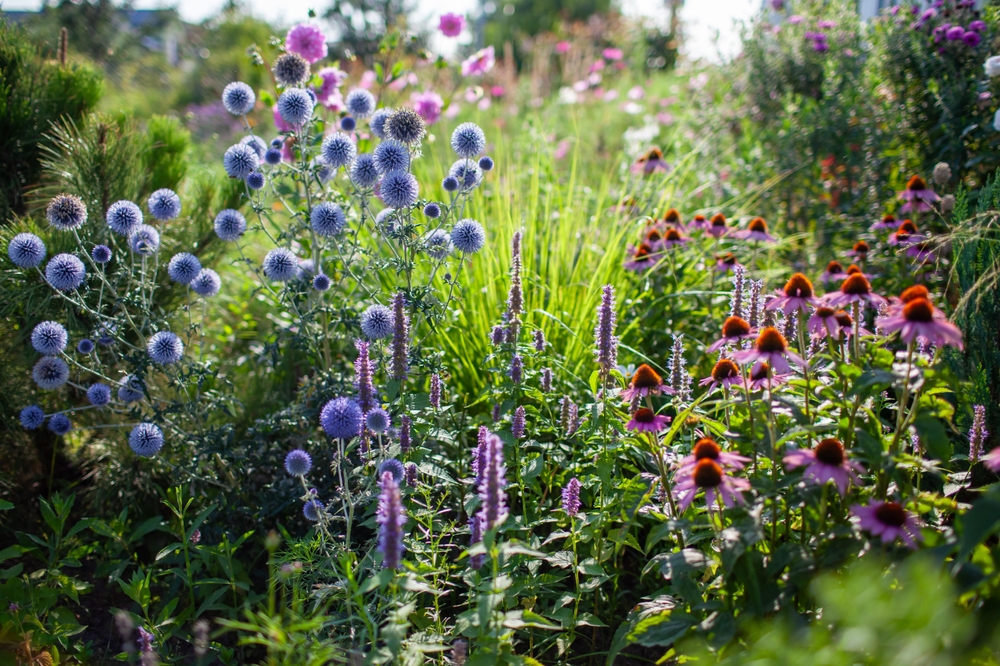
Fall garden centers can make a gardener feel wonderfully reckless. One minute, the plan calls for a few replacement plants, and the next minute the cart somehow contains enough mums, perennials, and ornamental grasses to require a financial debrief on the drive home. Before spending $200 on new plants, take a tour of the garden because some of the best additions may already be sitting there, quietly multiplying.
Dividing established perennials can turn one crowded plant into several new planting opportunities without another trip to the garden center. It can also refresh plants that have become overcrowded, developed bare centers, produced fewer flowers, or simply wandered beyond the space originally assigned to them.
Start With the Plants That Look a Little Too Successful
A perennial that has swallowed its neighbors may deserve more attention than another plant on the nursery bench. Look for clumps that have become crowded, developed a dead center, started flopping outward, or produced smaller flowers than they once did. Those signs can indicate that division could help control the plant’s size while giving the garden several new pieces to work with.
Hostas, daylilies, bee balm, coneflowers, astilbe, yarrow, coral bells, and several other established perennials can provide good candidates for division, although the ideal timing varies by plant. Fall generally suits many spring- and summer-blooming perennials, while fall-blooming plants often perform better when gardeners divide them in spring.
Hostas and Daylilies Can Become a Garden Gold Mine
Hostas offer an especially tempting target when a mature clump has expanded far beyond its original footprint. A gardener can lift the clump, separate sections that contain both roots and growing points, and replant those pieces in suitable locations. University of Minnesota Extension recommends dividing hostas in spring, so gardeners should resist the urge to chop every oversized hosta simply because the calendar says fall.
Daylilies offer another practical candidate, particularly when an established clump has become crowded or outgrown its spot. Gardeners can dig around the plant, lift the root mass, and separate healthy sections with a sharp spade, garden fork, or careful handwork. Give each new piece enough roots and shoots, then replant promptly and keep the divisions from drying out while they settle into their new homes.
Iris and Peonies Need a More Careful Touch
Iris can reward division with more plants and a better-looking planting bed, but timing and technique matter. Many rhizomatous irises benefit from late-summer or early-fall division, and each new piece needs healthy rhizome tissue and foliage to get started. A sharp, clean knife or spade can make cleaner cuts than wrestling with a stubborn clump, especially when the roots refuse to cooperate.
Peonies require even more patience because their fleshy roots can break easily and new divisions may take time to settle before they flower well. When dividing a peony, keep several healthy buds, often called eyes, on each section and replant the pieces at the proper depth. Peonies can take a few years to establish enough to bloom after division, so this project rewards gardeners who enjoy delayed gratification rather than instant flower-shop drama.
Make the Division Without Making a Mess
Choose a cool, cloudy day when possible, and water the plant beforehand if the soil feels dry. Moist soil makes digging easier, while cooler conditions reduce the chance that exposed roots and foliage will dry out during the process. Dig around the outside of the root zone rather than hacking directly through the center, then lift as much of the clump intact as practical.
Once the plant comes out, remove dead or damaged portions and separate healthy sections with your hands, a garden fork, a sharp knife, or a spade, depending on the plant. Keep anything you cannot immediately replant shaded and moist, because exposed roots can dry surprisingly fast on a breezy afternoon. Replant divisions at the appropriate depth, water them thoroughly, and add a reasonable layer of mulch to help conserve moisture and moderate soil temperatures as winter approaches.
Skip the Nursery Cart Until the Garden Gets a Vote
Division can save money, but it does not mean every perennial deserves a date with the shovel. Some plants dislike disturbance, while others develop deep or stubborn root systems that make division difficult, and ornamental grasses generally call for spring division rather than fall treatment. Baptisia, for example, develops long, deep roots that make digging and dividing unnecessarily rough on the plant, so leaving it alone often makes more sense.
Before buying another tray of plants, walk through the garden with a different question in mind: What already grows here that could become two or three plants? A crowded daylily, an aging iris clump, or an overgrown perennial can sometimes provide exactly the material needed to fill an empty corner, refresh a tired bed, or share with a gardening friend. That little inspection can turn fall from shopping season into propagation season, which might be considerably easier on the wallet and a lot more satisfying for the gardener.
Your Garden May Already Have the Shopping List
A garden does not always need more plants nearly as much as it needs a little editing. Division gives established perennials more room, creates new planting material, and can refresh areas that have become crowded or tired. The important part involves matching the plant with the right season and technique instead of assuming every perennial wants the same treatment.
So before handing over a couple hundred dollars at the garden center, grab a shovel and inspect those old favorites first. Which perennial in your garden would you divide this fall, and which one would you leave right where it is?
You May Also Like…
Before Buying Fall Plants on Clearance, Check These 5 Things at the Garden Center
How Fall Planting Extends Next Year’s Bloom Cycle
Don’t Compost These 7 Plants When You Clean Out the Garden This Fall
7 Things Garden Centers Often Mark Down Before Fall
10 Plants You Should Divide in Fall Instead of Buying New Ones Next Year

Brandon Marcus is a staff writer for FrugalGardening.com at District Media, Inc., where he delivers practical gardening advice with a relatable, no-nonsense style. An avid amateur gardener, he holds a BA degree and with over ten years of professional writing experience, he is also an award-winning published author whose first book, Questions For Deep Thinkers, was released by Adams Media. His work has appeared in major publications including Fandom.com, CHUD.com, TheColdWire.com, and Fansided.com.
Leave a Reply