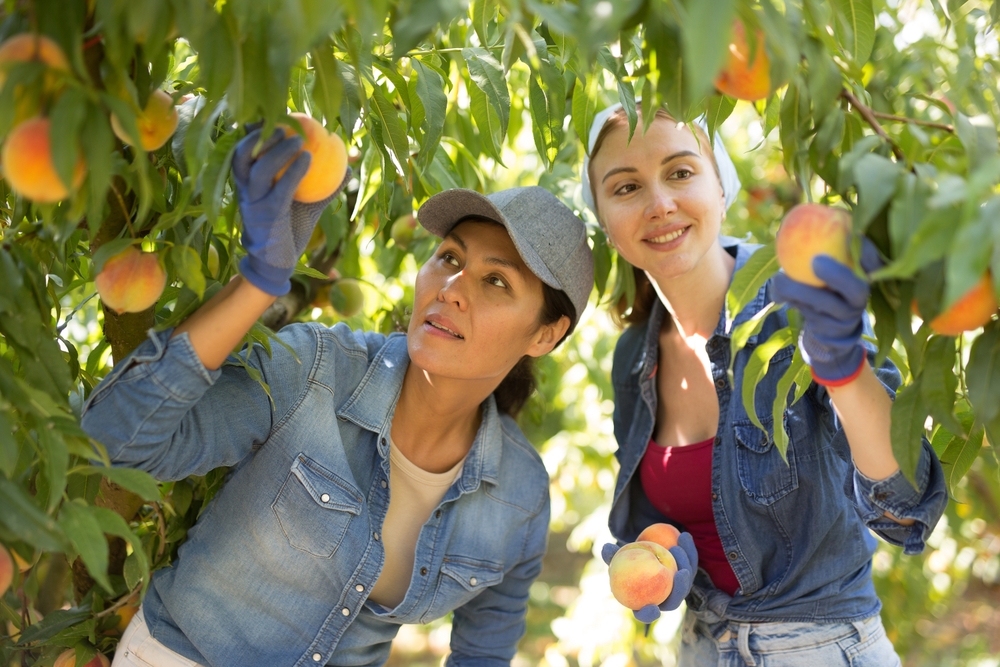
Peaches have a spectacular talent for creating a very specific kind of gardening panic: producing a mountain of gorgeous fruit at exactly the same time. One afternoon, the tree looks ordinary, and a few days later, the branches seem to have joined a conspiracy against the household refrigerator. The good news is that an overflowing peach harvest does not require heroic amounts of cobbler eating, because a few smart moves can turn that sudden bounty into fresh fruit, freezer packages, preserves, and plenty of future desserts.
The trick starts with recognizing that peaches have a narrow window between “not quite ready” and “better make a plan.” Once ripe peaches soften, bruises develop quickly, and warm conditions speed the decline even more. A little organization at harvest time can keep a bumper crop from becoming an impressive pile of compost.
Start With a Harvest Triage
Do not treat every peach on the tree as though it needs the same treatment today. Pick fruit that has reached the right maturity, especially fruit with the characteristic color and softness expected from its variety, while leaving noticeably firm fruit to finish ripening. Peaches that still feel very hard can continue ripening at room temperature, while ripe fruit belongs in the refrigerator if the kitchen cannot handle the workload immediately.
Next, sort the harvest into three groups: eat now, preserve soon, and use immediately. Set aside bruised or damaged peaches for cooking, because cuts and bruises shorten storage life and create an easy starting point for spoilage. Give every peach a gentle touch, since tossing fruit into a deep bowl can create the very bruises that turn tomorrow’s beautiful harvest into today’s sticky mess.
Buy Yourself Some Time With the Refrigerator
The refrigerator becomes extremely useful once peaches reach eating ripeness. Penn State Extension notes that ripe peaches can keep in the refrigerator for up to about a week, although quality can decline sooner depending on the fruit and storage conditions. Keep ripe peaches chilled rather than leaving a whole harvest on the counter, particularly when the fruit already feels soft.
However, cold storage works best as a pause button, not a magic wand. Move peaches into the refrigerator after they reach the desired ripeness, and plan to process the softest fruit first when you pull them back out. Keep bruised fruit separate, and refrigerate cut peaches promptly because cut fruit requires refrigeration for food safety.
Freeze the Peaches You Cannot Eat Fast Enough
Freezing offers one of the simplest escapes from peach overload, and it does not require a pantry full of jars or a weekend spent hovering over a canner. Choose ripe, good-quality peaches, wash them, remove the pits, and prepare them according to a tested freezing method. Ascorbic acid can help limit the darkening that often appears after cutting, while syrup packs, sugar packs, and unsweetened preparations offer different options depending on how the fruit will get used later.
Think beyond smoothies when deciding how to package the fruit. Slice peaches into convenient portions for crisps, muffins, oatmeal, sauces, or winter desserts, and label each container with the date and contents before sending it into the freezer. Smaller packages usually make more sense than one giant peach brick, because nobody wants to thaw five pounds of fruit just to make Tuesday morning’s pancakes more interesting.
Turn the Bumper Crop Into Pantry Gold
Canning can preserve a large harvest, but this is the moment to resist improvisation. Follow a current, research-tested recipe for the specific product, processing method, jar size, and altitude, because safe home canning depends on those details rather than Grandma’s legendary “just boil it until it looks right” technique.
Canning also opens the door to more than plain peach halves. Tested recipes include peach jam, peach topping, and peach pie filling, which can transform an intimidating harvest into jars destined for toast, ice cream, pancakes, or holiday desserts. Store finished jars in a cool, dark, dry location, label them with the date, and rotate older jars forward so the peach stash actually gets eaten instead of becoming a mysterious archaeological exhibit at the back of the pantry.
Make the Last Peaches Count
Some peaches will inevitably become softer than ideal for slicing, and that does not mean the harvest has failed. Very ripe but sound fruit can become jam, sauce, puree, baked desserts, or another tested preservation recipe, while fruit with extensive spoilage, mold, or an off smell belongs in the compost rather than the breakfast bowl.
A sudden peach glut actually creates a useful opportunity to learn what works best for the household. Keep the firmest ripe fruit for fresh eating, freeze the surplus that cannot disappear quickly, and reserve canning for the quantity that can realistically get processed with a tested recipe. When the tree starts dropping another round of peaches, that simple system turns the annual fruit avalanche from a crisis into one of summer’s most delicious chores.
When the Peach Tree Goes Into Overdrive
The smartest response to an all-at-once peach harvest involves speed, sorting, and a little restraint. Eat the best fruit fresh, refrigerate ripe peaches to buy time, freeze what needs a longer vacation, and use tested canning recipes when the pantry deserves a peachy upgrade. A little planning keeps perfectly good fruit out of the compost bin and puts it into breakfasts, desserts, sauces, and winter meals instead.
The next time a peach tree suddenly looks less like a garden plant and more like a fruit warehouse, grab a basket and start triage instead of panicking. A bumper crop does not demand that every peach get eaten before sunset, and it certainly does not require three consecutive days of peach pie.
Which peach-preserving trick would you use first when your tree produces more fruit than the kitchen can handle?
You May Also Like…
8 Ways to Help Young Fruit Trees Through Dry Late-Summer Weeks
5 Ways to Stabilize Pepper Plants Loaded With Fruit
6 Ways to Protect Ripening Fruit From Sudden Splitting
8 Ways to Help Young Fruit Trees Through Dry Late-Summer Weeks
5 Vegetables That Can Handle a Shadier Summer Corner

Brandon Marcus is a staff writer for FrugalGardening.com at District Media, Inc., where he delivers practical gardening advice with a relatable, no-nonsense style. An avid amateur gardener, he holds a BA degree and with over ten years of professional writing experience, he is also an award-winning published author whose first book, Questions For Deep Thinkers, was released by Adams Media. His work has appeared in major publications including Fandom.com, CHUD.com, TheColdWire.com, and Fansided.com.
Leave a Reply