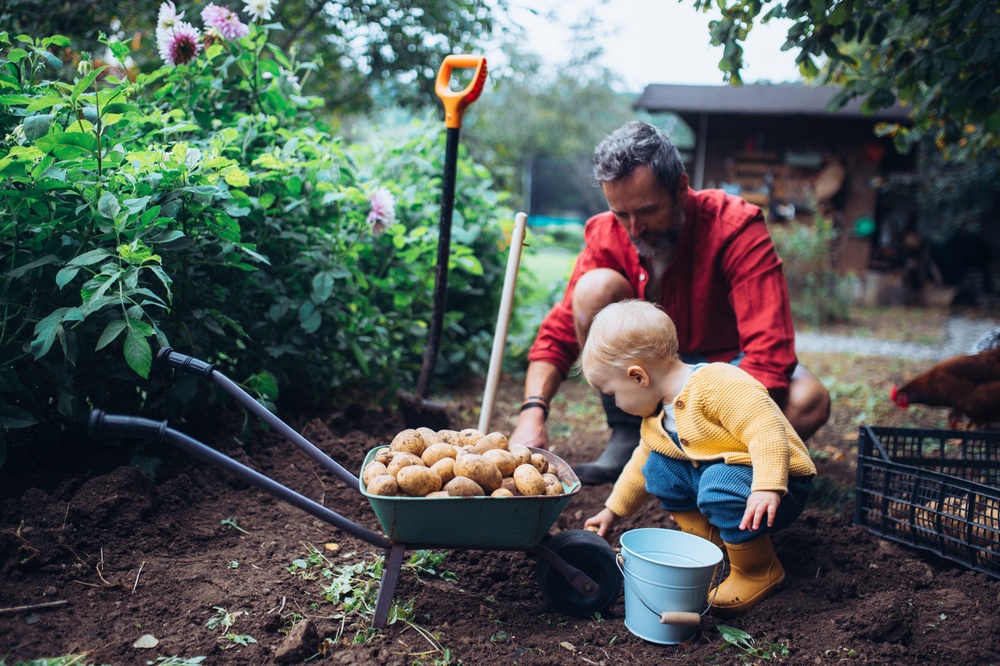
Gardeners can store potatoes from this year’s harvest and plant them next season, but that does not make every potato in the harvest a good seed potato. The temptation makes perfect sense: a basket of beautiful homegrown tubers sits on the counter, and suddenly the grocery-store seed potato purchase looks completely unnecessary. The catch involves disease, storage conditions, variety, and the simple fact that potatoes carry a surprising amount of garden history inside their skins.
A potato that looks flawless at harvest can still carry pathogens that cause trouble the following year. Gardening pros recommend certified, disease-free seed potatoes because home-saved tubers can carry diseases into the next crop, even when the plants looked healthy. Saving potatoes can work, but selecting them requires a little more judgment than grabbing the biggest spud in the bin.
Start With the Right Potatoes
The best candidates come from vigorous, healthy plants that showed no obvious signs of disease during the growing season. Skip tubers from plants with significant leaf spotting, unusual yellowing, wilting, rotting stems, or other unexplained problems, because a spotless potato does not guarantee a clean planting source. Choose firm, mature tubers without cuts, bruises, soft spots, rot, or serious insect damage, since injuries create convenient entry points for decay.
Size matters less than health, maturity, and variety, so the biggest potato in the harvest does not automatically win the seed-potato crown. Potatoes intended for storage should come from a variety known for good storage, while thin-skinned or early varieties generally keep for less time than mature, thick-skinned types. If the garden produced one variety that consistently looked healthy and another that struggled, save candidates from the healthy group rather than awarding the prize to whichever tuber looks most photogenic.
Cure Them Before Winter Storage
Do not toss freshly dug potatoes straight into a cold basement and call the job finished. Mature potatoes need curing after harvest, and a warm, dark, well-ventilated space gives minor harvest wounds time to heal while the skins firm up. University of Minnesota Extension recommends curing potatoes in a warm area around 60 to 65°F for at least ten days, while other extension guidance recommends roughly two weeks around 50 to 60°F, so the precise curing setup can vary.
Keep the tubers dry during this stage, protect them from light, and resist the urge to scrub every speck of soil from their skins. Gently brush away loose, dry soil after curing, then inspect the potatoes again and remove anything soft, shriveled, wounded, or suspicious. One rotten potato can turn a storage container into a surprisingly unpleasant science experiment, so regular inspection matters.
Give Seed Potatoes a Proper Winter Home
After curing, store the selected potatoes somewhere dark, cool, humid, and well ventilated. Ideal potato storage is roughly around 40 to 46°F for many home-storage situations, although seed potatoes can tolerate colder conditions than potatoes destined for some culinary uses, and temperatures below roughly 38 to 40°F can cause undesirable changes. Avoid warm rooms because warmth encourages sprouting, shriveling, and decay, while excessive moisture without adequate airflow invites rot.
A ventilated container, crate, or breathable storage setup works much better than sealing potatoes inside an airtight plastic bag. Check the stash periodically throughout winter and remove any tuber that develops rot or significant decay before the problem spreads. Keep the storage area dark, too, because light encourages green coloration and increases the risk of undesirable glycoalkaloid buildup.
The Big Catch: Disease Can Ride Along
Here sits the biggest reason experienced gardeners often buy fresh certified seed potatoes every year. Potatoes reproduce vegetatively, which means planting a tuber essentially creates a clone of the plant that produced it, and that makes potato diseases particularly important when gardeners repeatedly save their own planting stock. Saved tubers can carry fungal or bacterial pathogens, while some diseases can remain in garden soil and affect potatoes and related crops such as tomatoes, peppers, and eggplants.
That does not mean home-saved potatoes always fail, but it does mean gardeners should treat the practice as a calculated gamble rather than a guaranteed money saver. If a crop suffered from serious disease, buying certified seed potatoes offers a much cleaner starting point for the next season. .
Know When Saving Makes Sense
Saving a portion of a healthy harvest can make sense when the garden produced vigorous plants, the tubers look excellent, and the gardener can provide suitable winter storage. It also makes sense when a favorite variety proves difficult to find or performs particularly well in the garden, because keeping a successful variety going can add real value beyond the price of a packet or bag of seed potatoes. Still, a gardener should avoid treating supermarket potatoes as an equivalent substitute, since grocery potatoes may receive sprout-inhibiting treatments and may not meet the disease standards associated with certified seed.
The smartest approach involves saving only the strongest candidates while keeping expectations realistic. Label the stored potatoes by variety so different types do not become a mysterious winter potato lottery, and inspect them periodically rather than waiting until planting day. When spring arrives, discard anything that looks diseased, badly shriveled, or rotten instead of planting questionable tubers simply because they survived the winter. A fresh bag of certified seed can cost less than a season of frustration, especially when disease threatens to turn one garden bed into next year’s potato disaster.
Give Next Year’s Crop a Clean Start
Yes, this year’s harvest can provide next year’s seed potatoes, but only the best tubers deserve the job. Select potatoes from healthy plants, cure them carefully, store them under suitable conditions, and reject anything that develops damage or disease during storage. Most importantly, remember that appearance alone cannot prove that a tuber carries no disease, which explains why certified seed potatoes remain the safer choice for maintaining a healthy potato patch.
Would you save your best homegrown potatoes for next year’s garden, or would you rather start fresh with certified seed potatoes?
You May Also Like…
What Causes Hollow Spots Inside Otherwise Healthy Potatoes?
Why More Americans Are Growing Potatoes Again
The 100-Pound Potato Secret: How One Bag of Spuds Feeds a Family
Should You Cover Freshly Sown Seeds With Burlap?
Should You Wash Garden Produce Before Storing It?

Brandon Marcus is a staff writer for FrugalGardening.com at District Media, Inc., where he delivers practical gardening advice with a relatable, no-nonsense style. An avid amateur gardener, he holds a BA degree and with over ten years of professional writing experience, he is also an award-winning published author whose first book, Questions For Deep Thinkers, was released by Adams Media. His work has appeared in major publications including Fandom.com, CHUD.com, TheColdWire.com, and Fansided.com.
Leave a Reply