
A thriving garden rarely happens by accident, and the most productive plots always start long before the first seed touches soil. Planning ahead gives gardeners a powerful edge by aligning crops with seasons, spacing needs, and soil readiness. Without a plan, gardens often turn into chaotic experiments that waste time, seeds, and energy. With a…
Vegetable Garden
The Growth Slowdown Problem During Seasonal Transitions
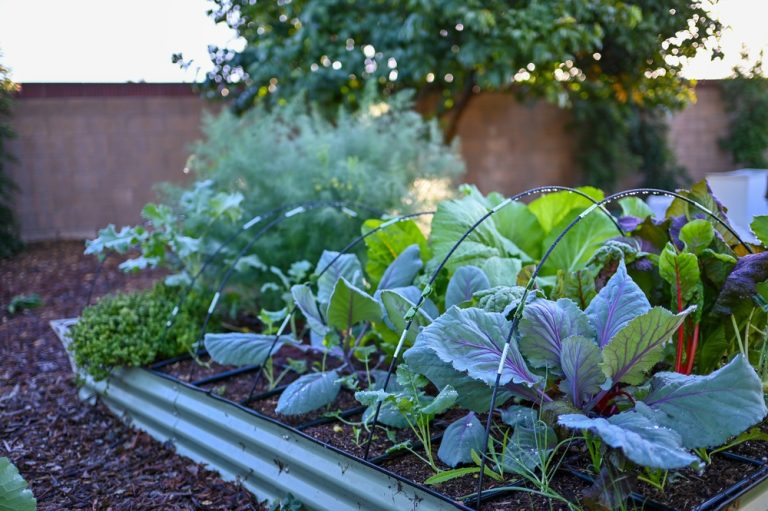
Gardens across the United States often hit a surprising moment when everything seems to slow down, even when care stays consistent. Leaves stop stretching with the same enthusiasm, blooms hesitate, and vegetables look like they are taking a long coffee break. This slowdown does not signal failure, and it does not mean plants lost their…
5 Smart Layout Adjustments That Increase Yield
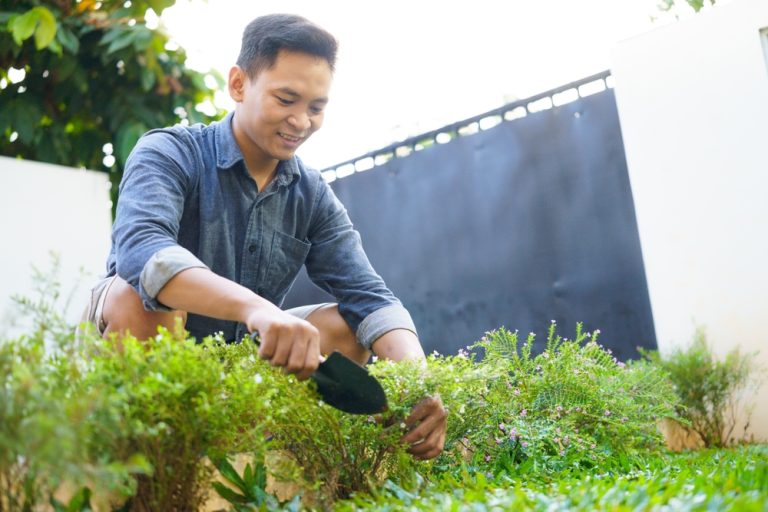
Gardens don’t need more land to produce more food—they need smarter design. Small layout tweaks can completely change how plants grow, breathe, and produce. Many home gardeners across the United States struggle with crowded beds, uneven sunlight, and disappointing harvests, even when they work hard. The good news: yield often depends more on arrangement than…
The Overcrowding Issue That Reduces Growth Potential

Crowded garden beds often look impressive at first glance, but they quietly sabotage plant performance from the moment roots take hold. Many American home gardeners pack too many seeds or seedlings into limited space, hoping for a bigger harvest, yet the opposite outcome usually shows up by midseason. Plants react fast to competition, and they…
Why Nutrient Imbalances Slow Growth Over Time
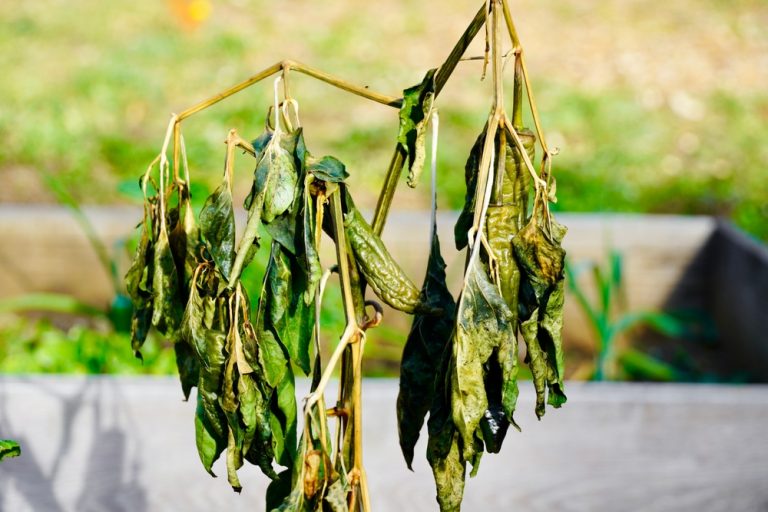
Gardens rarely fail overnight, yet many plants slowly lose their spark without any obvious warning. One week everything looks lush, and a few weeks later growth stalls, leaves fade, and harvests disappoint. Nutrient imbalances often sit at the center of this slow decline, quietly reshaping how plants develop from root to tip. Once the soil…
8 Raised Bed Favorites That Deliver Consistent Results
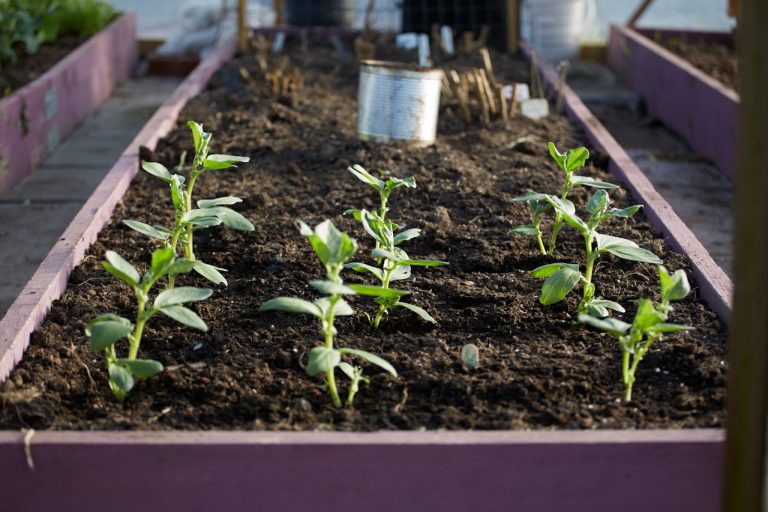
Raised bed gardening keeps winning over home gardeners for one simple reason—results show up fast and stay consistent. These tidy, elevated garden spaces help control soil quality, improve drainage, and reduce back strain while planting and harvesting. Even better, raised beds make it easier to grow high-performing crops without battling compacted soil or unpredictable ground…
5 Budget-Friendly Gardening Tips That Actually Work
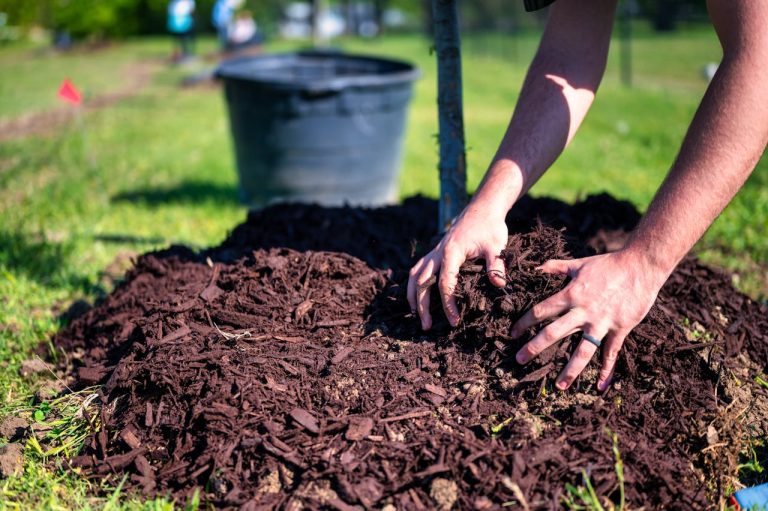
Gardening does not have to drain a wallet or turn into an expensive experiment that fails halfway through the season. Many thriving gardens across the United States grow from simple, low-cost strategies that focus on smart habits rather than pricey supplies. A few thoughtful changes can turn even a small backyard or patio into a…
The Soil Compaction Problem That Limits Root Expansion
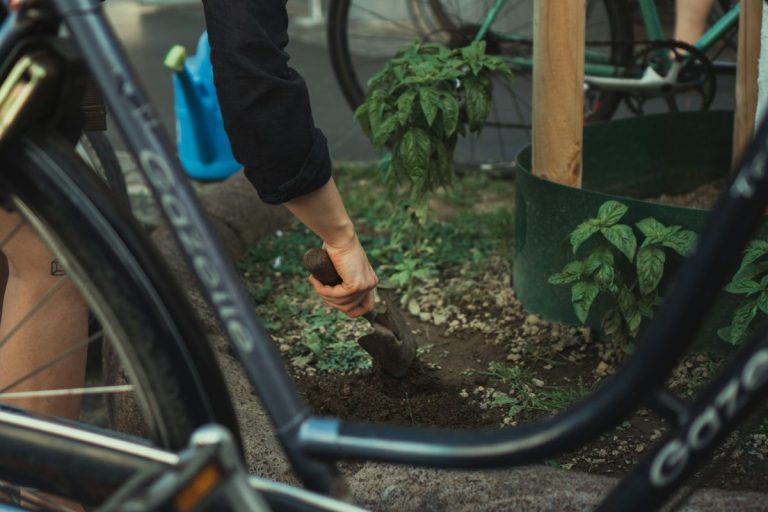
Healthy gardens across the United States depend on one simple ingredient that often gets overlooked—loose, living soil that lets roots breathe, stretch, and explore. When soil becomes compacted, it slowly transforms into a dense barrier that blocks water, air, and nutrients from reaching plant roots. That hidden pressure underground quietly weakens lawns, vegetable beds, and…
Why Weeds Take Over Faster Than Crops in Spring
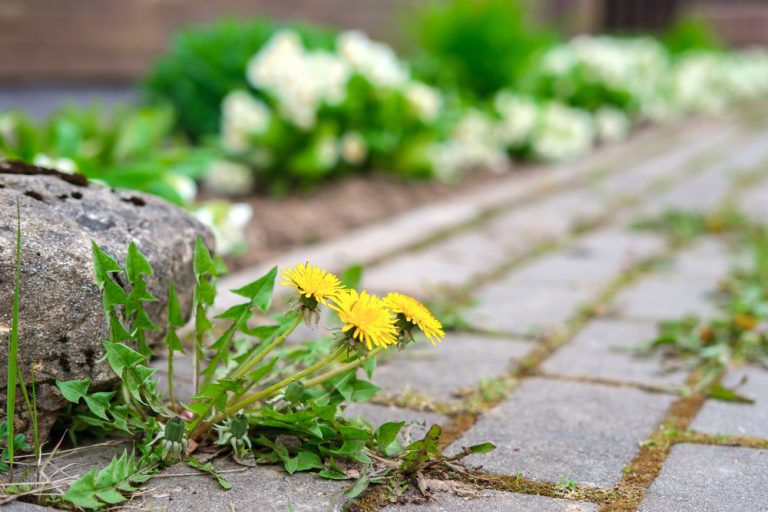
The first warm stretch of spring weather flips a switch in the garden, and weeds sprint out of the ground like they trained all winter for the Olympics. Tiny green invaders appear in flower beds, vegetable rows, sidewalk cracks, and even that one corner nobody watered last year. Meanwhile, tomatoes still sulk in cool soil…
5 Proven Gardening Shortcuts That Save Time

A gorgeous garden doesn’t require endless weekends spent hauling hoses, pulling weeds, and crawling around flower beds with aching knees. Smart gardeners know a simple truth: the secret to a thriving yard often comes down to working smarter instead of harder. The best gardens across America rarely succeed because someone spends every waking hour tending…