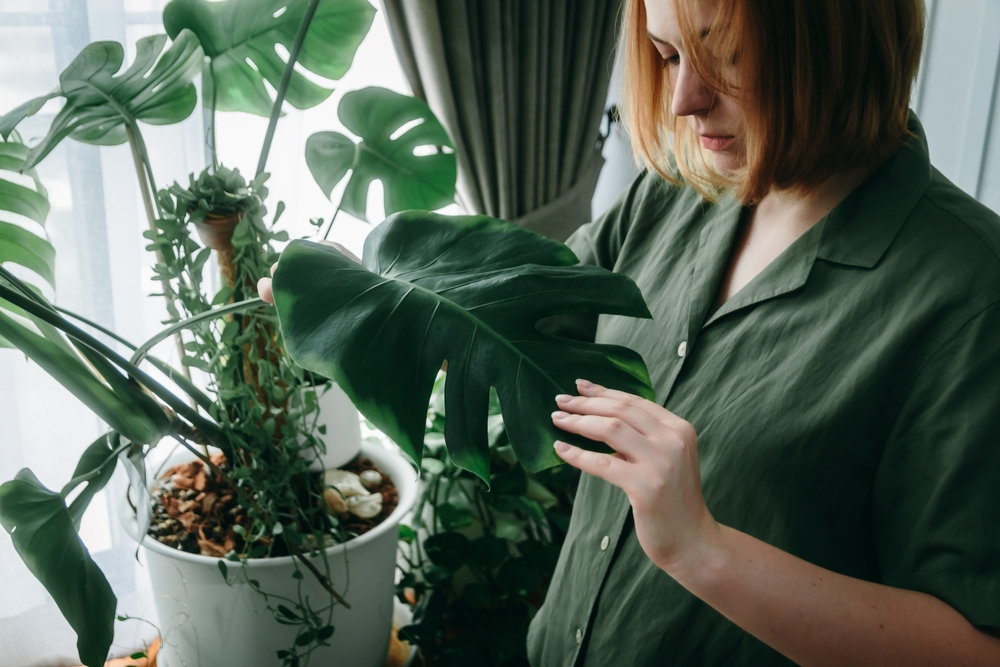
Bringing houseplants back inside sounds simple: carry the pots indoors, find them a sunny window, and call it a day. Unfortunately, tiny freeloaders may have other plans. Outdoor plants can pick up aphids, spider mites, mealybugs, scale and other pests during the growing season, and a plant that looks perfectly clean at a glance can still harbor a few unwanted passengers.
A fast and easy inspection before the move can save a lot of frustration later. Once a plant enters the warm, protected environment of a home, pests can become much harder to ignore. Instead of discovering an army of bugs after the plants have settled into their winter quarters, check these six overlooked spots first.
1. Look Closely Under the Leaves
The top of a leaf gets most of the attention because that is where gardeners naturally look first. Flip the leaves over, though, and a completely different scene can appear, especially around the veins and where the leaf connects to its stem. Aphids and spider mites often hide on undersides, while tiny specks, sticky residue or fine webbing can provide clues that something has moved in.
A simple inspection works best in good light, with the plant held where both sides of the foliage remain visible. Gently turn leaves rather than tugging on them, and check several leaves throughout the plant instead of stopping after one clean-looking specimen. A magnifying glass can help with very small pests that blend into green foliage. If anything looks suspicious, keep that plant away from the others until the problem gets sorted out.
2. Check Every Leaf Joint
Leaf joints create cozy little corners where pests can escape casual inspection. Look where each leaf meets its stem, particularly on plants with dense foliage or lots of branching. Mealybugs can tuck themselves into these protected areas, and scale insects may cling tightly to stems where they resemble tiny bumps rather than living creatures.
This inspection becomes especially important on plants that spent months outdoors growing vigorously. Dense growth creates plenty of hiding places, so do not simply give a plant a quick shake and assume it looks fine. Run a close visual check along the stems and branch intersections, looking for cottony material, unusual bumps, sticky spots or clusters of tiny insects. Those little details can reveal a pest problem before it spreads to the rest of the indoor collection.
3. Examine the Stems
Stems deserve their own inspection because some pests practically treat them like highways. Scale insects can attach themselves directly to stems, while aphids and other sap-feeding insects may gather around tender new growth. Look at both the older woody portions and the softer green growth near the tips.
Turn the pot as you inspect it so hidden areas do not escape notice. Pay particular attention to places where branches cross, leaves cluster or stems disappear into dense foliage. Sticky leaves can indicate honeydew from sap-feeding insects, although environmental factors can sometimes create confusing clues, so look for the actual pest rather than relying on one symptom alone. A few minutes with a flashlight can reveal far more than a casual glance from across the patio.
4. Inspect the Pot Rim and Drainage Holes
The plant itself is not the only place worth checking. Pests, eggs, debris and other unwanted hitchhikers can collect around the pot rim, beneath the container and near drainage holes. The sheltered space underneath a pot can also protect insects from weather, making it an easy place to overlook during a routine inspection.
Give the container a careful once-over before bringing it indoors. Check underneath the pot, inspect the saucer and wipe away dirt or debris clinging around the drainage area. Avoid bringing standing water indoors, since it can create a separate set of problems and leave containers sitting in overly wet conditions. A clean container makes the transition indoors easier and removes some of the hiding places that pests can exploit.
5. Look at the Soil Surface
The soil surface can tell a surprisingly useful story. Small insects may gather around damp organic material, fallen leaves or decaying plant debris, while other unwanted visitors can linger around the base of the plant. Fungus gnats, for example, favor moist growing media, and their adults often appear as tiny flies around houseplants.
Remove dead leaves and other debris from the soil before moving the plant inside. Check the surface for insects, larvae or anything that looks out of place, and avoid adding unnecessary moisture during the inspection. The goal is not to panic over every tiny creature that appears outdoors, because garden containers naturally encounter plenty of life. The goal is to avoid giving obvious pests a free ticket into the living room.
6. Don’t Forget the Pot’s Hidden Crevices
Pots and plant containers have more hiding spots than they get credit for. Decorative sleeves, saucers, raised edges and cracks can collect soil, leaves and insects, especially after a summer spent outside. A plant can pass a foliage inspection with flying colors while its container carries the evidence of everything that happened around it.
Remove decorative covers when possible and inspect the entire container before bringing it inside. Wash the pot and saucer if they need cleaning, and brush away debris trapped around rims or textured surfaces. This step also gives gardeners a chance to notice damaged roots, clogged drainage or other problems that deserve attention before the plant settles indoors. Think of it as checking the luggage before an important trip, because nobody wants to unpack a suitcase and discover it came with roommates.
Give Every Plant a Final Check Before the Move
A thorough inspection does not require turning every houseplant into a laboratory project. What matters most involves slowing down long enough to check the foliage, stems, soil and container instead of relying on a quick visual scan. If a plant shows signs of pests, isolate it from other plants and address the problem before placing it beside the indoor collection.
That little bit of caution can make fall plant care considerably easier. Outdoor conditions expose plants to plenty of insects, and moving them into a protected indoor environment changes the game. A careful inspection now can prevent a small pest issue from becoming the surprise guest that nobody invited.
Which hiding spot has revealed the most surprising houseplant pest in your garden?
You May Also Like…
9 Backyard Habits That Can Accidentally Invite Pests
10 Backyard Bugs You Never Want to Ignore
March Garden Pests That Hide Underground
12 Of The Worst Garden Pests And How To Get Rid Of Them

Brandon Marcus is a staff writer for FrugalGardening.com at District Media, Inc., where he delivers practical gardening advice with a relatable, no-nonsense style. An avid amateur gardener, he holds a BA degree and with over ten years of professional writing experience, he is also an award-winning published author whose first book, Questions For Deep Thinkers, was released by Adams Media. His work has appeared in major publications including Fandom.com, CHUD.com, TheColdWire.com, and Fansided.com.
Leave a Reply