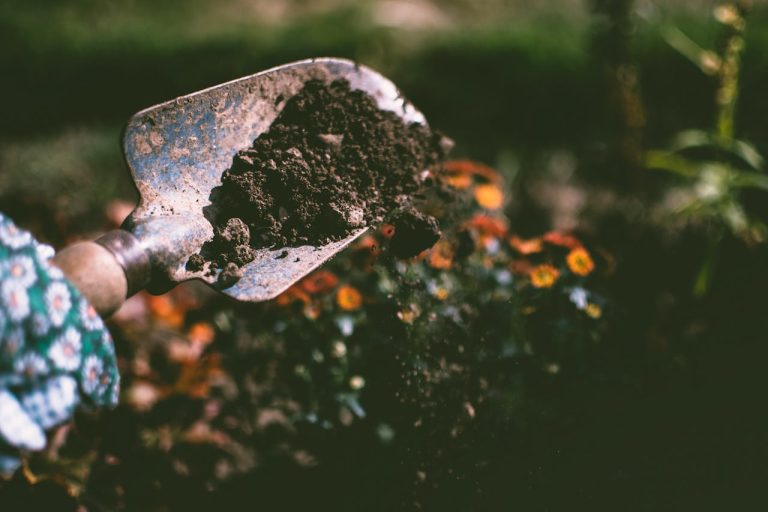
There is no reason for thriving plants to come with a sky-high price tag. Healthy soil does not demand expensive bags of mystery pellets or flashy labels that promise miracles but barely deliver results. The truth sits right in plain sight: some of the most effective fertilizers come from simple, everyday materials that cost next…
soil health
Planting Depth Errors That Prevent Roots From Developing Properly
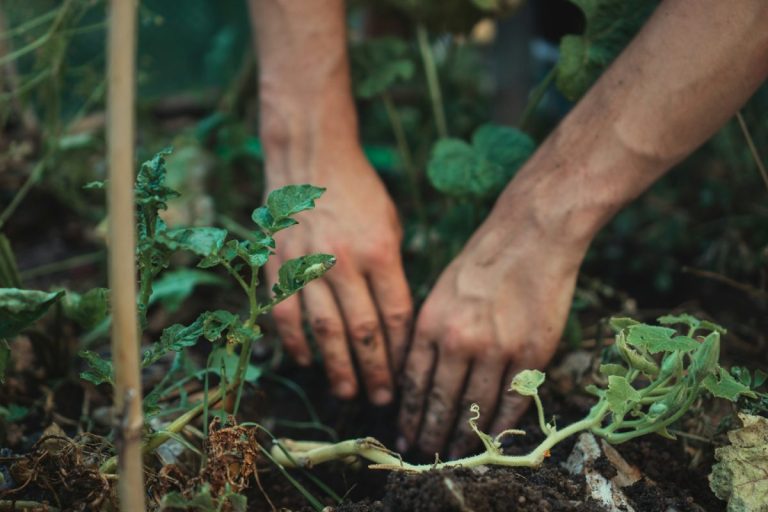
A plant’s future gets decided in a moment most people rush through. That moment happens when roots meet soil, when depth either sets the stage for strong growth or quietly sabotages everything that follows. A plant cannot negotiate with bad placement, and it cannot outgrow a poor start underground no matter how much care comes…
7 Simple Soil Tests You Can Do at Home Without Special Tools
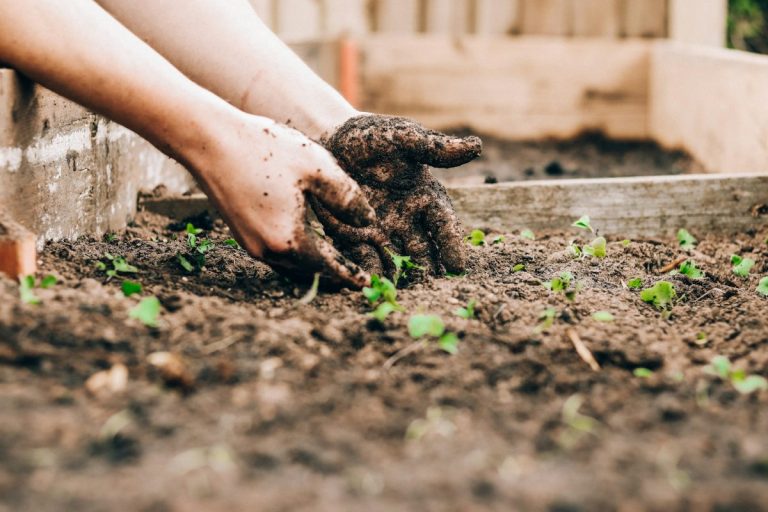
Some gardens explode with life while others struggle, and the difference almost always starts underground. Soil holds secrets, and those secrets decide whether plants thrive, barely survive, or give up entirely. No expensive gadgets or lab kits stand between a struggling garden and a thriving one—just curiosity, a little patience, and a willingness to get…
Why Your Compost Isn’t Heating Up and How to Fix It Fast
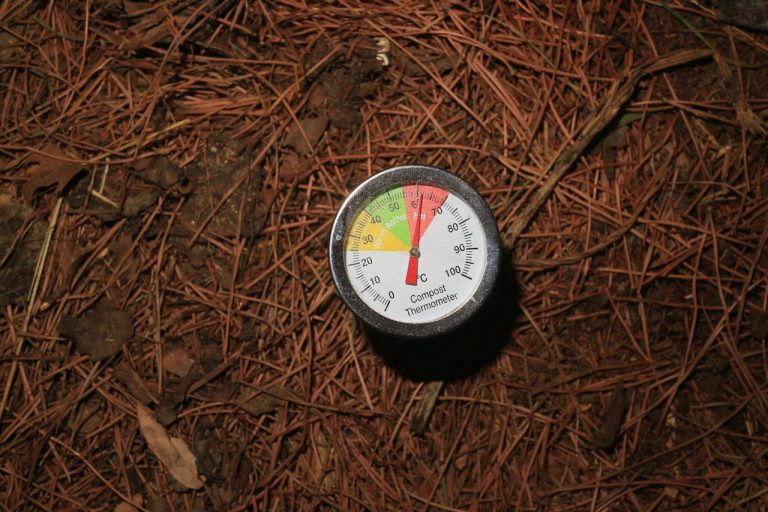
A compost pile should feel alive. It should hum with energy, steam on cool mornings, and quietly transform scraps into dark, crumbly gold. When that heat disappears, the whole process stalls out, and what should smell earthy and rich starts leaning toward soggy, sluggish, and disappointing. A cold compost pile doesn’t just sit there; it…
The Safe Way to Use Coffee Grounds Without Damaging Plants
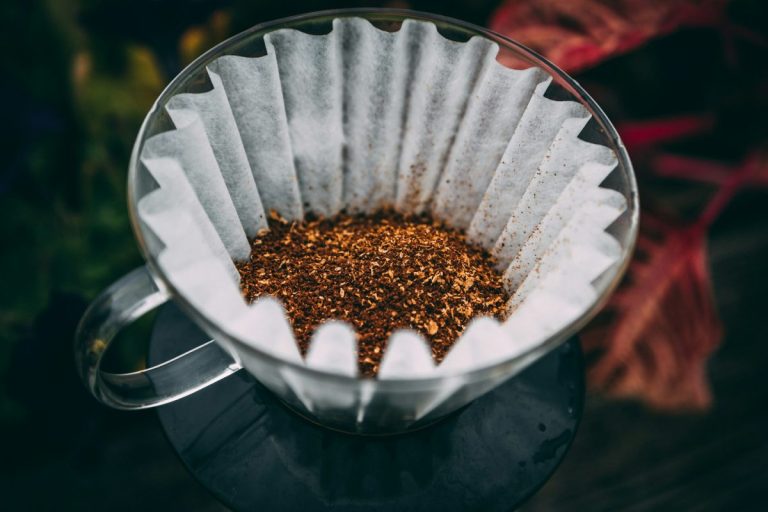
Coffee isn’t just the lifeblood of mornings—it’s secretly a superhero in your garden too. Those leftover coffee grounds hiding in the kitchen aren’t trash; they’re miniature power-packed bundles of nutrients ready to give your plants a boost. Imagine turning your morning ritual into a green-thumbed adventure while reducing waste at the same time. It’s like…
Low-Cost Cover Crops That Improve Soil Without Extra Work
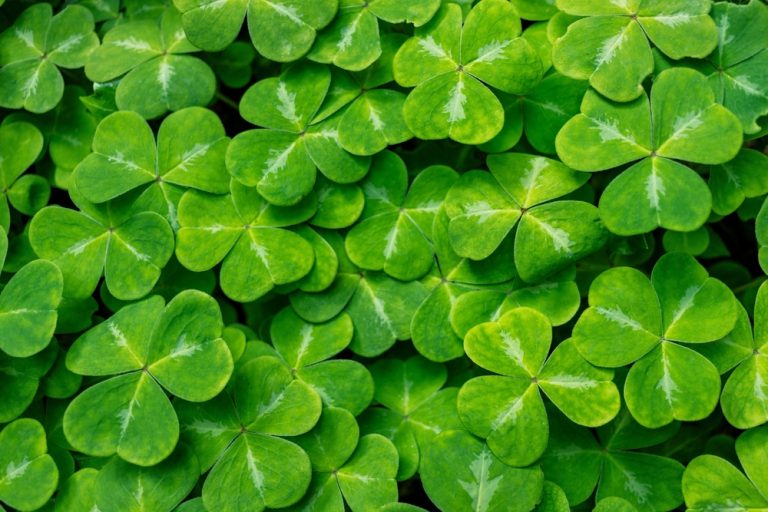
Stop throwing money at soil problems that fix themselves for free. Healthy soil does not demand expensive inputs, complicated routines, or endless hours of work. It thrives when it gets the right kind of help at the right time, and cover crops deliver exactly that without turning gardening into a second full-time job. Picture a…
Why Moss Appears on Lawns and What It Says About Your Soil
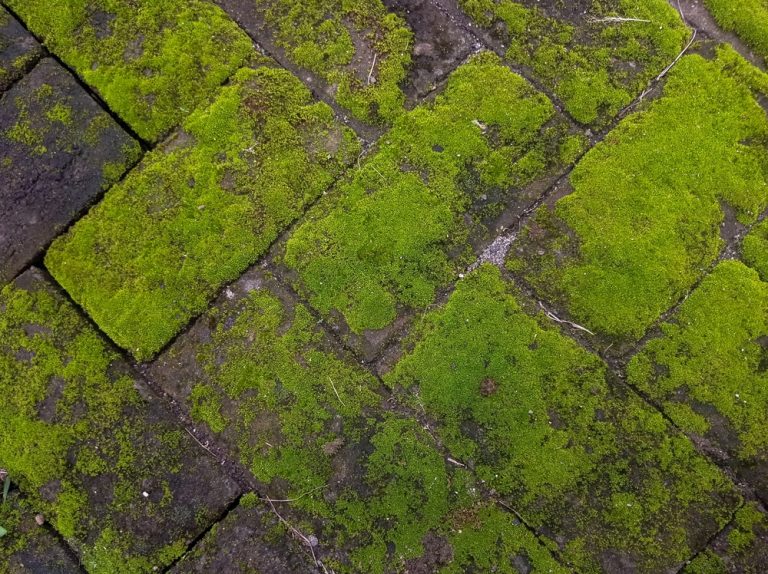
There’s no such thing as “just moss” when it shows up in a lawn. That soft, green carpet doesn’t arrive by accident, and it definitely doesn’t stick around for no reason. Moss shows up with a message, and it delivers that message loud and clear to anyone willing to look closely. It doesn’t shout like…
How to Rejuvenate Old Fertilizer Instead of Throwing It Away
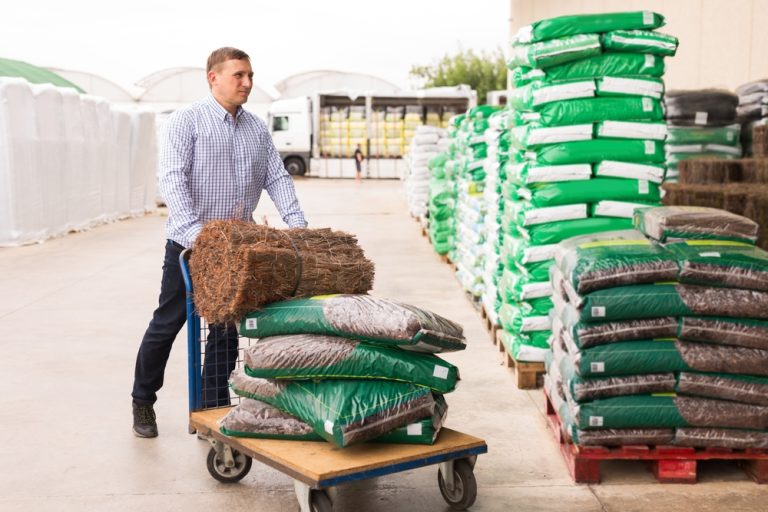
There’s no reason a bag of fertilizer should end its life in the trash just because it looks a little sad. That dusty, clumpy pile sitting in a garage corner still holds serious plant-growing power if handled the right way. People toss it out far too quickly, assuming time alone ruins it, but most fertilizers…
What Slime on Your Soil Means and When You Should Be Concerned
It looks like something from another planet. Bright, squishy, and oddly alive, that mysterious slime creeping across soil can stop anyone in their tracks and spark instant curiosity. It doesn’t politely blend in with the garden or quietly support plant growth; it announces itself with color, texture, and a bold refusal to go unnoticed. That…
How Leaf Litter Can Improve Soil Health and Reduce Fertilizer Costs

An empty yard stacked with fallen leaves doesn’t signal a mess—it signals opportunity. Those crunchy layers underfoot hold more power than any bag of store-bought fertilizer stacked in a garden center aisle. Leaves carry nutrients, structure, and life, all bundled into one overlooked seasonal gift. Instead of treating them like waste, smart gardeners treat them…