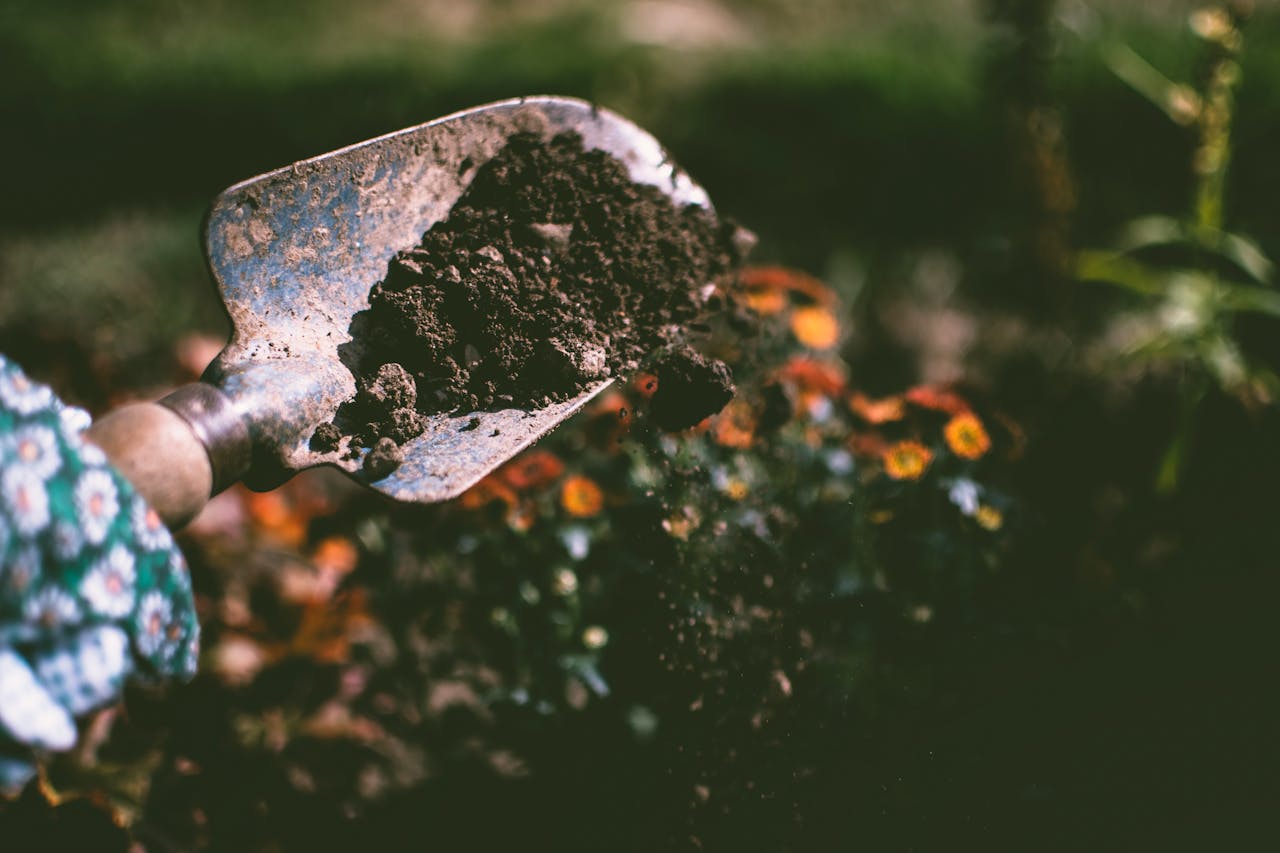
There is no reason for thriving plants to come with a sky-high price tag. Healthy soil does not demand expensive bags of mystery pellets or flashy labels that promise miracles but barely deliver results. The truth sits right in plain sight: some of the most effective fertilizers come from simple, everyday materials that cost next to nothing and still pack serious power. Strong roots, lush leaves, and vibrant blooms can all come from ingredients that feel almost too ordinary to matter.
Each option brings real benefits, real science, and real results without draining a wallet. There are some practical ideas, a few clever twists, and plenty of ways to put these fertilizers to work immediately. It’s time to turn scraps, leftovers, and natural materials into garden gold that actually performs.
1. Compost: The Gold Standard That Costs Almost Nothing
Compost earns its reputation because it delivers consistent, balanced nutrition while improving soil structure at the same time. It feeds plants slowly, which prevents the sudden nutrient spikes that often damage roots or cause weak growth. Kitchen scraps like vegetable peels, coffee grounds, and eggshells break down into a rich, crumbly material packed with nutrients. Yard waste such as leaves and grass clippings adds bulk and helps create that perfect texture plants love. The best part lies in the fact that compost reduces waste while boosting plant health, making it a double win for both gardens and households.
Building a compost pile does not require fancy bins or expensive tools, although those can help with convenience. A simple pile in a corner of a yard works just fine as long as it gets occasional turning and a balance of “greens” and “browns.” Greens include food scraps and fresh plant material, while browns include dry leaves and cardboard. Keeping the pile slightly moist speeds up the process and encourages beneficial microbes to break everything down efficiently. Within a few months, the pile transforms into dark, earthy compost that smells fresh and clean. Adding this material to garden beds or mixing it into potting soil gives plants a steady, reliable nutrient boost that keeps them growing strong.
2. Coffee Grounds: Morning Waste That Plants Love
Coffee grounds bring more to the table than just a caffeine kick for humans. They contain nitrogen, which plays a key role in leaf growth and overall plant vigor. Many plants, especially leafy greens and acid-loving varieties, respond well to the nutrients found in used grounds. Sprinkling them directly onto soil or mixing them into compost adds a steady trickle of nutrition without overwhelming delicate roots. Coffee grounds also improve soil texture, helping it retain moisture while still allowing proper drainage.
Using coffee grounds requires a bit of balance, since too much can create dense layers that block airflow. Mixing them with other organic materials prevents clumping and ensures that soil stays loose and breathable. Gardeners can also brew a “coffee ground tea” by soaking grounds in water and using the liquid as a gentle fertilizer. This method spreads nutrients evenly and works especially well for container plants. With consistent use, coffee grounds help create healthier soil while reducing waste in a way that feels both practical and satisfying.
3. Banana Peels: Potassium Power in Disguise
Banana peels deliver a surprising punch of potassium, which supports strong root development and encourages flowering and fruit production. Instead of tossing peels into the trash, gardeners can chop them into small pieces and bury them near plant roots. As the peels break down, they release nutrients slowly, giving plants a steady supply over time. This method works particularly well for flowering plants and vegetables that rely on strong blooms to produce fruit.
Another option involves soaking banana peels in water for a few days to create a nutrient-rich liquid fertilizer. This “banana tea” provides an easy way to water plants while feeding them at the same time. Drying and grinding peels into powder offers yet another approach, allowing for easy storage and quick application. Each method keeps costs low while delivering noticeable results. Plants that receive regular potassium support often show stronger stems, brighter blooms, and improved resilience against stress.
4. Eggshells: Tiny Shells, Big Calcium Boost
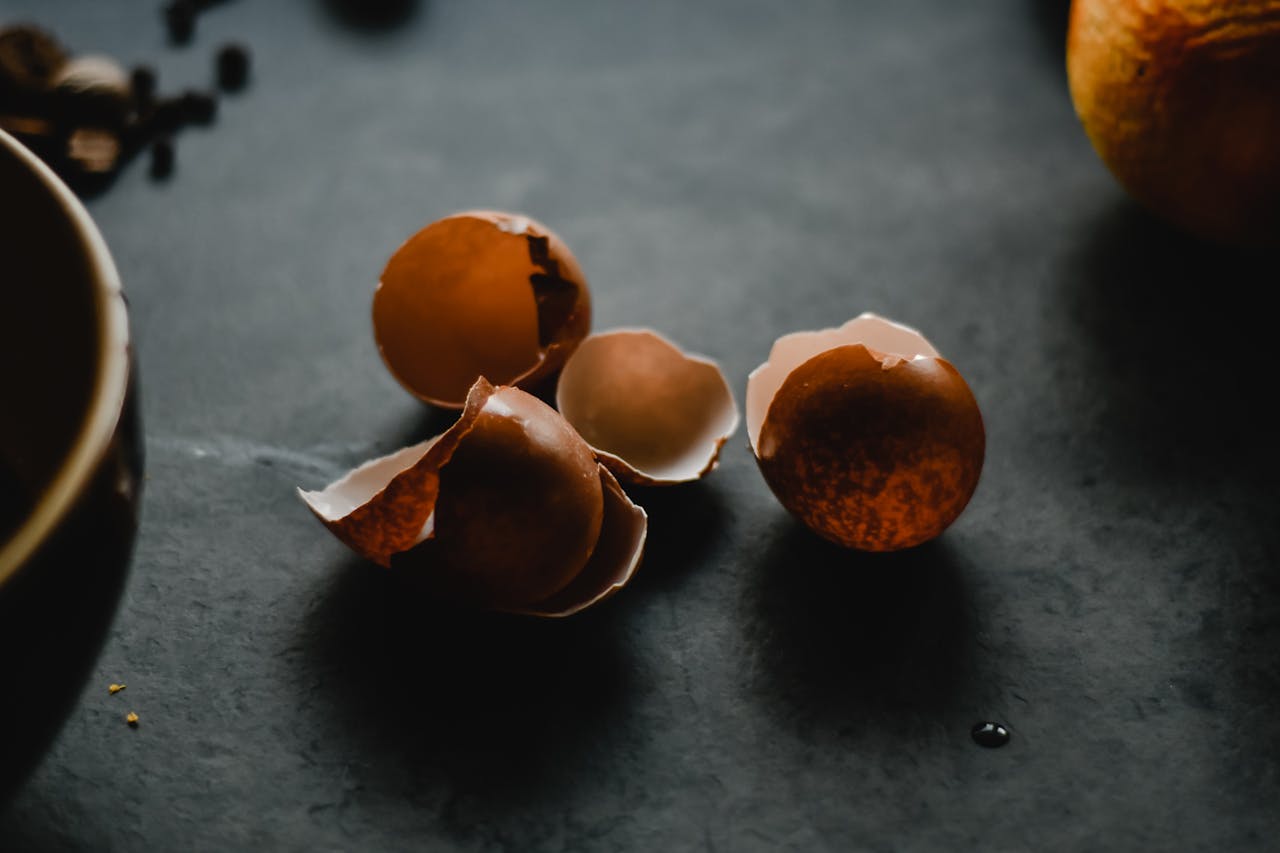
Eggshells often get overlooked, yet they provide a valuable source of calcium that plants need for healthy cell development. Calcium helps prevent issues like blossom end rot in tomatoes and peppers, making it an essential nutrient for many gardens. Crushing eggshells into small pieces or grinding them into powder allows them to break down more quickly in soil. Sprinkling this material around plants or mixing it into garden beds adds a slow-release calcium source that supports steady growth.
Eggshells also help improve soil structure by adding a bit of grit, which promotes better drainage and aeration. Rinsing shells before use prevents unwanted odors and keeps things clean and simple. Some gardeners steep crushed shells in water to create a mild calcium solution for watering plants. While eggshells do not act as a complete fertilizer, they complement other organic options perfectly. Pairing them with compost or coffee grounds creates a more balanced feeding approach that covers multiple nutrient needs.
5. Grass Clippings: Free Nitrogen Straight from the Lawn
Fresh grass clippings provide a quick hit of nitrogen, making them one of the easiest fertilizers to access during the growing season. Spreading a thin layer of clippings around plants acts as both mulch and fertilizer, helping soil retain moisture while feeding plants at the same time. As the clippings break down, they release nutrients that support strong, green growth. This method works especially well for vegetable gardens and flower beds that need consistent feeding.
Applying clippings requires a bit of care to avoid creating thick mats that block air and water. Thin layers work best, allowing the material to decompose evenly without causing issues. Mixing clippings into compost piles speeds up decomposition and boosts nitrogen content, creating richer compost in less time. Gardeners who mow regularly can turn what used to be waste into a steady supply of free fertilizer. This approach keeps lawns tidy while giving gardens an ongoing source of nutrients that cost absolutely nothing.
6. Manure: Old-School Fertilizer That Still Delivers
Manure has fueled successful gardens for centuries, and it continues to deliver reliable results when used correctly. It contains a mix of nutrients, including nitrogen, phosphorus, and potassium, which support overall plant health. Well-aged or composted manure works best, since fresh manure can burn plants and introduce unwanted pathogens. Many local farms or stables offer manure at little to no cost, making it an accessible option for budget-conscious gardeners.
Incorporating manure into soil improves structure, boosts microbial activity, and increases nutrient availability over time. It works well as a soil amendment before planting or as a top dressing during the growing season. Different types of manure vary in strength, with chicken manure being more concentrated than cow or horse manure. Allowing manure to age properly ensures safe and effective use in any garden. When handled with care, this classic fertilizer transforms soil into a rich, productive environment that supports healthy, vigorous plants.
Thriving Gardens Without Overspending
Great gardens do not rely on expensive products or complicated systems. They thrive because of consistent care, smart choices, and a willingness to use what already exists. Each fertilizer on this list proves that effective solutions often sit within reach, waiting to get put to good use. Combining several of these options creates a well-rounded feeding strategy that supports plants from every angle. Healthy soil leads to strong roots, and strong roots lead to plants that grow with confidence and resilience.
Which of these budget-friendly fertilizers sounds like the best fit, and what creative ideas have already made a difference in the garden? Share those thoughts and strategies in the comments and keep the conversation growing.
You May Also Like…
How to Rejuvenate Old Fertilizer Instead of Throwing It Away
How Leaf Litter Can Improve Soil Health and Reduce Fertilizer Costs
The Hidden Cost of Buying “Pre-Fertilized” Soil
The Organic Fertilizer Problem Gardeners Are Reporting in 2026 — And How to Fix It Cheaply
9 Flowers That Thrive With Less Fertilizer Than You Think

Brandon Marcus is a staff writer for FrugalGardening.com at District Media, Inc., where he delivers practical gardening advice with a relatable, no-nonsense style. An avid amateur gardener, he holds a BA degree and with over ten years of professional writing experience, he is also an award-winning published author whose first book, Questions For Deep Thinkers, was released by Adams Media. His work has appeared in major publications including Fandom.com, CHUD.com, TheColdWire.com, and Fansided.com.
Leave a Reply