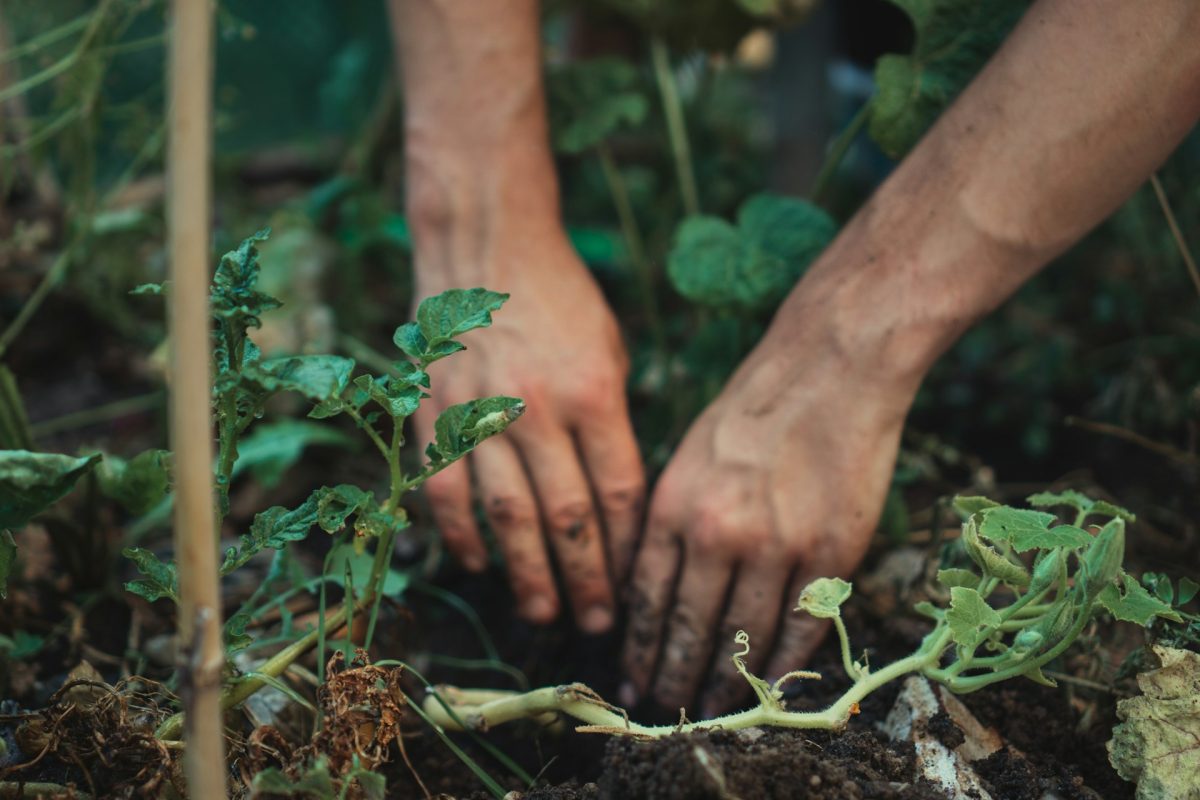
A plant’s future gets decided in a moment most people rush through. That moment happens when roots meet soil, when depth either sets the stage for strong growth or quietly sabotages everything that follows. A plant cannot negotiate with bad placement, and it cannot outgrow a poor start underground no matter how much care comes later. That single choice—how deep to plant—determines whether roots spread confidently or struggle for survival.
Garden beds and landscapes often look fine at first, which makes these mistakes even trickier. Leaves still sprout, stems still stretch, and everything appears normal until the slow consequences begin to show. Weak growth, yellowing leaves, poor stability, and constant stress all trace back to the same overlooked issue. Fixing planting depth requires attention, intention, and a willingness to rethink habits that feel harmless but quietly cause damage. Strong roots do not happen by accident, and depth plays a starring role in getting them right.
Too Deep, Too Stressed: When Roots Can’t Breathe
Planting too deep creates one of the most common and damaging mistakes in gardening, and it often starts with good intentions. People want to secure the plant, protect it from wind, and make sure it feels stable, but burying it too far cuts off essential oxygen that roots desperately need. Roots require air pockets in the soil to function properly, and deeper layers often compact more tightly and hold excess moisture. That combination suffocates roots instead of supporting them, leading to slow decline rather than steady growth. Trees and shrubs suffer the most in this situation because their root flare—the point where the trunk widens at the base—should sit at or just above soil level. When soil covers that flare, rot begins to develop, and the plant struggles to transport nutrients effectively.
This mistake also invites water problems that quickly spiral out of control. Deep planting traps moisture around the base of the plant, which encourages fungal diseases and root rot. Instead of roots reaching outward in search of nutrients and stability, they stay confined and stressed, unable to expand properly. Plants planted too deep often show symptoms that confuse even experienced gardeners, such as drooping leaves despite adequate watering or stunted growth despite fertile soil. Correcting this issue requires lifting the plant and replanting it at the proper level, which feels frustrating but often saves it from long-term damage. A simple check helps avoid this problem: always locate the root flare and ensure it remains visible after planting.
Barely Covered: The Trouble With Shallow Planting
Planting too shallow creates a completely different set of problems, but it proves just as harmful as planting too deep. Roots that sit too close to the surface lack protection from temperature swings, drying winds, and inconsistent moisture levels. Soil near the surface heats up quickly under sunlight and dries out just as fast, which puts constant stress on exposed roots. Plants need consistent access to moisture and nutrients, and shallow placement forces them into a survival mode where they never fully establish themselves. This often leads to plants that look weak, topple easily, or fail to thrive despite regular care.
Shallow planting also disrupts the plant’s ability to anchor itself securely. Without proper depth, roots cannot grip the surrounding soil effectively, which makes plants more vulnerable to wind and movement. Even light disturbances can shift the plant, breaking delicate root connections and setting back growth. Gardeners often try to compensate by watering more frequently, but that approach only treats the symptom rather than solving the problem. The better solution involves replanting at the correct depth and ensuring soil covers the roots evenly without burying the stem or crown. Adding mulch helps regulate temperature and moisture, but it cannot replace proper planting depth. A stable foundation below the surface always matters more than quick fixes above it.
One Size Does Not Fit All: Different Plants, Different Rules
Every plant comes with its own preferences, and ignoring those differences leads to disappointing results. Annual flowers, perennials, vegetables, trees, and shrubs all respond differently to planting depth, which means a single approach never works across the board. Seed packets and plant tags provide valuable guidance, yet many people skip those details and rely on guesswork instead. Seeds, for example, follow a simple but critical rule: plant them at a depth roughly equal to two to three times their size. Tiny seeds need light and should stay near the surface, while larger seeds require deeper placement to anchor and access moisture.
Transplants bring their own set of instructions that deserve careful attention. Tomatoes benefit from deeper planting because they develop roots along their buried stems, which strengthens the plant and boosts productivity. On the other hand, plants like lettuce and peppers prefer to sit at the same depth as their original containers. Trees and shrubs demand even more precision, as improper depth can affect them for years rather than weeks. Taking time to research each plant’s needs pays off in stronger growth and fewer problems down the line.
Soil Matters More Than Expected
Soil type changes how planting depth affects root development, and ignoring that factor leads to inconsistent results. Sandy soil drains quickly and allows more airflow, which means slightly deeper planting might work without causing suffocation. Clay soil, on the other hand, holds water and compacts easily, which makes deep planting far riskier. Roots in clay-heavy soil already struggle with limited oxygen, so planting too deep amplifies the problem dramatically. Loamy soil offers the best balance, but even that ideal mix requires proper depth to maintain healthy root systems.
Improving soil structure can make a noticeable difference in how plants respond to depth. Adding organic matter like compost helps loosen compacted soil and improves drainage, which gives roots more room to grow. Raised beds offer another solution for areas with poor soil conditions, allowing better control over depth and consistency. Gardeners who pay attention to soil conditions gain a major advantage, as they can adjust planting techniques to match the environment. Depth does not exist in isolation; it interacts with soil, water, and air in ways that shape root development. Understanding that relationship turns guesswork into strategy and frustration into success.
The Fix Is Simpler Than Expected
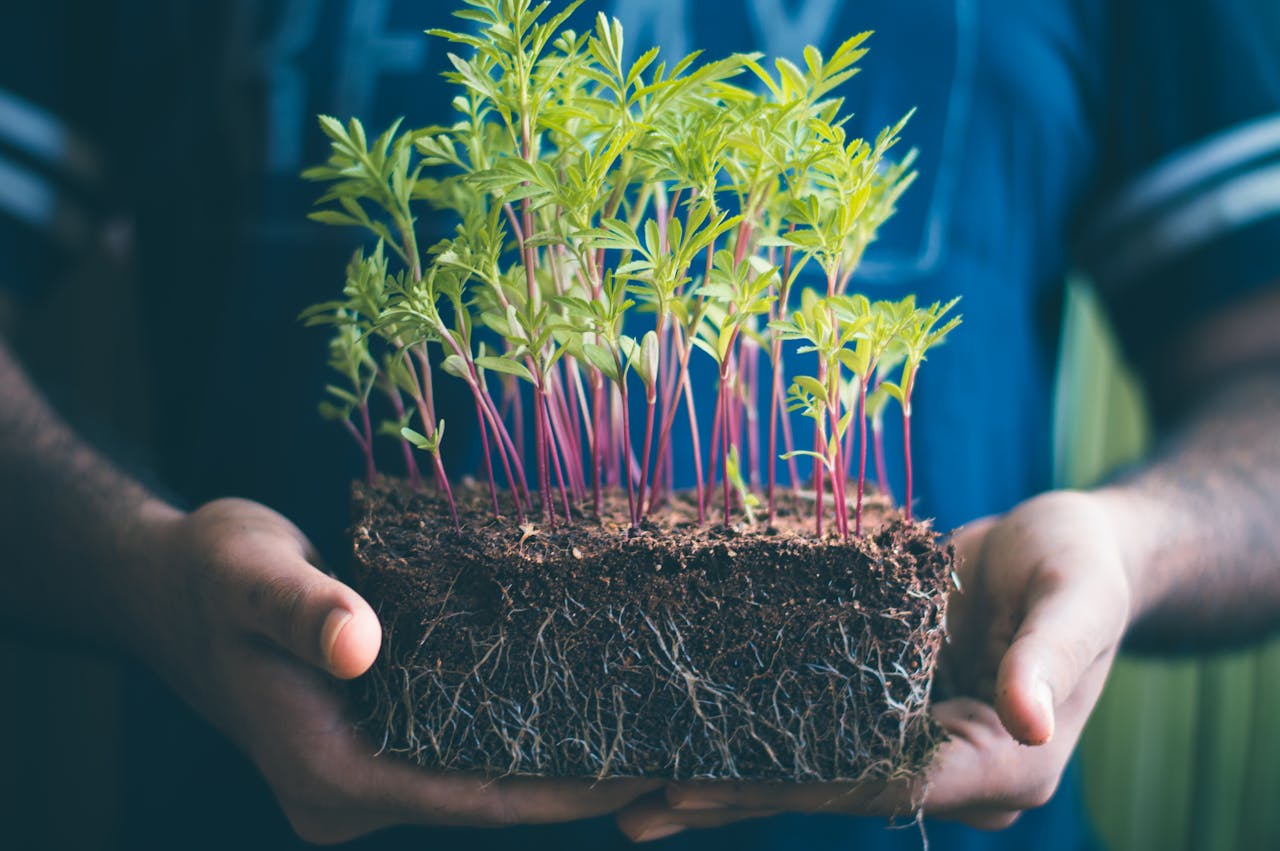
Correcting planting depth mistakes does not require complicated tools or advanced techniques, but it does require action. Plants that sit too deep or too shallow rarely fix themselves, and waiting only makes the problem worse. Gently removing the plant and resetting it at the correct depth often provides immediate relief and sets the stage for recovery. This process works best when done carefully to avoid damaging the roots, especially for more delicate plants. Watering thoroughly after replanting helps settle the soil and eliminates air pockets that could disrupt root contact.
Mulching plays a helpful supporting role when used correctly. A layer of mulch regulates soil temperature, retains moisture, and protects roots from environmental stress, but it should never pile up against the plant’s stem or trunk. Keeping mulch a few inches away from the base prevents rot and allows proper airflow. Consistent monitoring also helps catch issues early, as plants often show subtle signs before serious damage occurs. Adjusting depth might feel like a small step, but it delivers significant results when done correctly. Healthy roots create resilient plants, and that resilience shows up in stronger growth, better yields, and fewer problems overall.
Strong Roots, Strong Results
Planting depth shapes everything that happens next, from root expansion to overall plant health. Too deep suffocates roots, too shallow exposes them, and both mistakes quietly limit a plant’s potential. Getting it right does not require perfection, but it does demand attention and a willingness to slow down during planting. Every plant deserves a strong start, and that start begins below the surface where roots take hold and begin their work.
What planting habits have made the biggest difference in your garden, and what lessons would you share after trial and error? Drop your thoughts, strategies, or even your biggest planting mishaps in the comments and keep the conversation growing.
You May Also Like…
How to Protect Roots From Late Frosts Without Covers
The Cheap Seed Starting Tray That’s Warping Roots and Killing Crops
Easy Techniques to Strengthen Weak Seedlings Before Transplanting
Why Early Planting Can Backfire
11 Mulching Mistakes That Can Suffocate Roots

Brandon Marcus is a staff writer for FrugalGardening.com at District Media, Inc., where he delivers practical gardening advice with a relatable, no-nonsense style. An avid amateur gardener, he holds a BA degree and with over ten years of professional writing experience, he is also an award-winning published author whose first book, Questions For Deep Thinkers, was released by Adams Media. His work has appeared in major publications including Fandom.com, CHUD.com, TheColdWire.com, and Fansided.com.
Leave a Reply