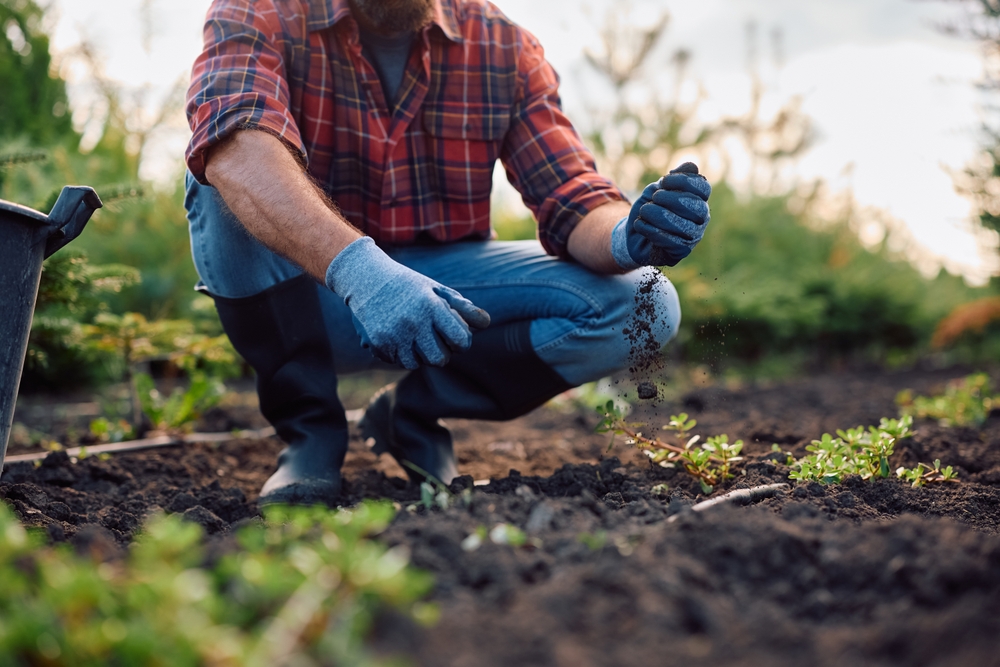
Soil often decides how productive any garden becomes long before seeds even touch the ground. A bed can look dark, rich, and full of promise while quietly blocking roots and starving plants of essential resources. Many growing problems trace back to what happens below the surface rather than what happens above it. Strong harvests depend on soil conditions that support movement, feeding, and biological activity at every level. Once soil falls out of balance, plants struggle no matter how carefully watering or fertilizing gets managed.
Gardeners often spot frustration in the form of slow growth, weak stems, or disappointing harvests that never match expectations. These issues rarely come from a single cause and usually connect back to soil quality limitations that build over time. Fixing those limitations creates a stronger foundation for every crop and reduces wasted effort in other areas of garden care. Each challenge below highlights a major soil factor that directly reduces production and limits garden success. Paying attention to these factors transforms struggling beds into far more efficient growing environments.
The Hidden Structure Problem Beneath Garden Beds
Sandy, silty, or clay-heavy soils shape how roots move through garden beds and directly affect plant production and yield outcomes. When soil particles clump too tightly or spread too loosely, roots struggle to access water and nutrients efficiently during the growing season. Healthy soil structure allows air pockets to form, supporting root respiration and microbial activity across the bed.
Poor structure forces roots to circle, slow down, or remain shallow, which reduces overall plant performance significantly above ground. Gardeners improve structure by adding compost, organic matter, and gentle tilling practices that maintain balance.
Nutrient Lockout: When Soil Chemistry Blocks Growth
Soil chemistry sometimes binds nutrients in forms plants cannot absorb, even when fertilizer levels appear sufficient in the garden bed. Excess phosphorus or potassium can interfere with micronutrient uptake, creating hidden deficiencies in crops that look well-fed. Plants show nutrient lockout through discoloration, stunted growth, and reduced fruit formation across growing cycles in predictable patterns. Soil microbes play a key role in unlocking nutrients and supporting efficient plant feeding systems underground. Balanced fertilization strategies prevent overloads and keep nutrients available for steady plant use throughout the season.
Compaction: The Silent Production Killer
Heavy foot traffic and repeated tilling press soil particles together, reducing space for air and water movement across planting zones. Compacted soil restricts root expansion and forces plants to compete for limited moisture during dry periods in the growing cycle. Water pools on the surface instead of filtering down, increasing runoff and reducing plant uptake efficiency across garden beds.
Earthworms and beneficial organisms decline when compaction limits their movement and habitat within the soil ecosystem. Mulching and reduced soil disturbance help restore softness and improve long-term garden productivity across multiple seasons.
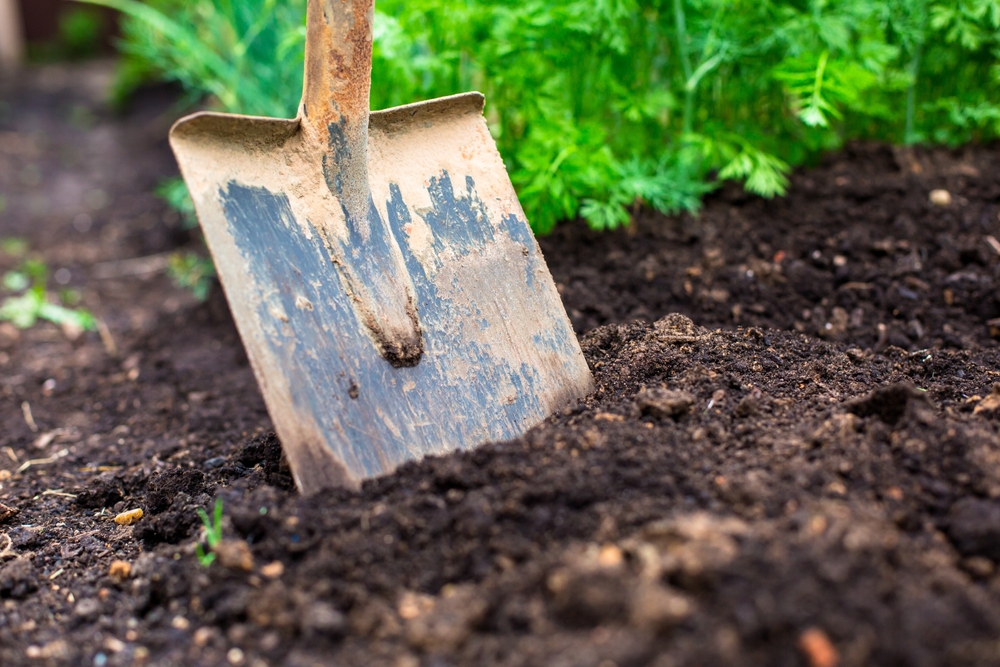
pH Imbalance and Why Plants Stop Feeding Properly
Soil pH controls how easily plants access essential nutrients from the surrounding growing environment in any garden system. Acidic or alkaline extremes block nutrient absorption and trigger visible stress in leaves and stems across many crop types. Blueberries prefer acidic soil, while many vegetables perform best in slightly acidic to neutral conditions for steady growth.
Testing soil pH regularly helps gardeners adjust amendments before crops suffer from imbalance effects that reduce yields. Lime or sulfur applications correct pH drift and restore proper nutrient availability for consistent plant development.
Organic Matter Loss and the Decline of Living Soil
Continuous harvesting without replenishment strips organic matter from soil and weakens its biological activity across growing seasons. Organic matter feeds microbes that cycle nutrients and maintain stable soil structure across different environmental conditions. Declining organic content reduces water retention and increases dependency on frequent irrigation during warmer periods.
Cover crops and compost additions rebuild organic reserves and restore soil life gradually over time. Healthy organic matter levels support consistent production and reduce the need for synthetic inputs in garden management.
Restoring Soil Balance for Stronger Harvests
Soil problems rarely appear all at once, yet they steadily reduce garden output over time across multiple growing cycles. Gardeners who monitor structure, chemistry, and biology create more stable and productive growing environments for all crops. Small adjustments in compost, pH, and compaction management deliver noticeable yield improvements across different seasons. Consistent soil care reduces dependency on fertilizers and strengthens natural plant resilience against environmental stress. Every garden reaches higher production levels when soil receives ongoing attention and balanced care practices.
What soil challenge shows up most often in gardens, and what solution has delivered the biggest improvement? Share thoughts and experiences below.
You May Also Like…
5 Soil Health Improvements That Deliver Quick Results
Tips for Growing Strong Roots in Tight, Compacted Soil
6 Companion-Friendly Pairings That Improve Soil Health
Why Leaves Droop Even When Soil Feels Moist
The Soil Compaction Problem That Limits Root Expansion

Brandon Marcus is a staff writer for FrugalGardening.com at District Media, Inc., where he delivers practical gardening advice with a relatable, no-nonsense style. An avid amateur gardener, he holds a BA degree and with over ten years of professional writing experience, he is also an award-winning published author whose first book, Questions For Deep Thinkers, was released by Adams Media. His work has appeared in major publications including Fandom.com, CHUD.com, TheColdWire.com, and Fansided.com.
Leave a Reply