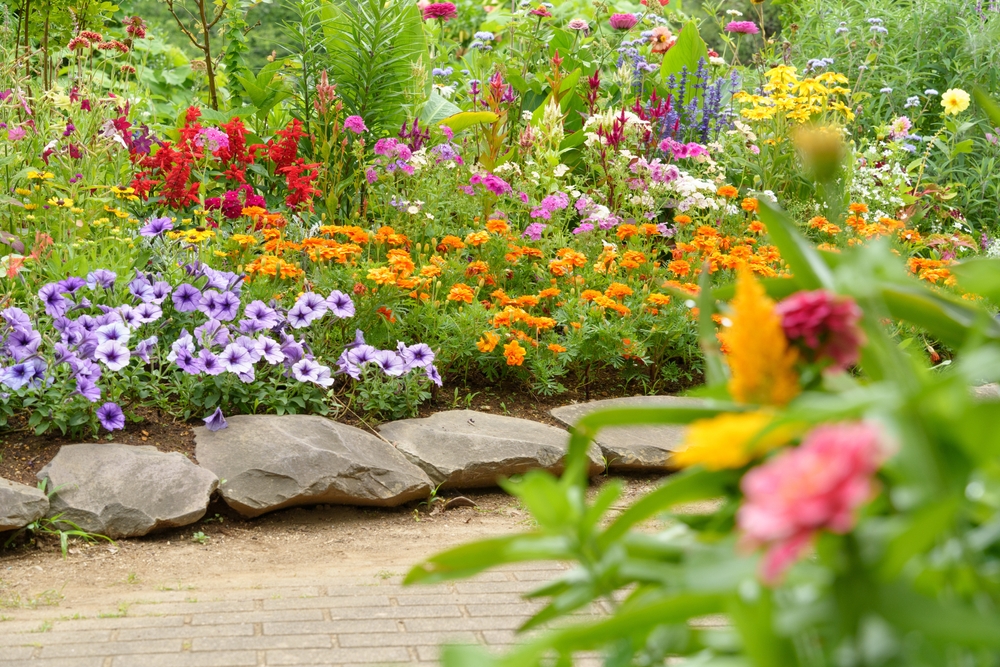
Summer flower borders are taking a quieter turn, and that does not mean they have become boring. Instead of filling every inch with neon pinks, screaming oranges, and yellows bright enough to require sunglasses, gardeners are reaching for softer shades that create a more relaxed, layered look. Muted flowers can make a border feel sophisticated without making it feel fussy, which explains why dusty, smoky, faded, and nearly neutral blooms keep appearing in modern garden designs.
The real trick involves choosing flowers that still bring plenty of personality while taking the volume down a notch. A dusty rose bloom beside silvery foliage can look more dramatic than a whole row of hot pink flowers, while a smoky purple flower can add depth without turning the garden into a color competition. These seven muted flower colors offer plenty of inspiration for summer borders, whether the goal involves a polished landscape, a romantic cottage garden, or simply a flower bed that looks good from the kitchen window.
1. Dusty Rose Brings Romance Without the Sugar Rush
Dusty rose flowers offer a softer alternative to the classic bubblegum pink that dominates many summer gardens. This color sits somewhere between pink, mauve, and a hint of brown, giving flowers a slightly aged, elegant appearance that works beautifully with green, blue-green, and silver foliage. Garden roses, certain coneflowers, yarrow, and some dahlias can all contribute this look, depending on the variety. The color works especially well in borders where bright blooms already threaten to steal the entire show. A dusty rose flower steps into the scene wearing a velvet jacket instead of a sequined costume.
This shade also makes an excellent bridge between different parts of a garden. Place it near burgundy foliage, pale pink blooms, or lavender flowers, and the border gains a smoother visual transition instead of a series of hard color changes. Gardeners should still pay attention to light, since a muted bloom can look dramatically different in morning sun compared with late afternoon shade. A flower that looks dusty rose in a catalog may appear more mauve or brown in the garden. That little surprise often adds to the charm.
2. Smoky Lavender Adds Depth Without Taking Over
Lavender has always had a place in summer gardens, but newer border styles often favor versions with a smoky, grayish, or slightly faded quality. These flowers bring the familiar coolness of purple without the intense saturation of a vivid violet bloom. Catmint, Russian sage, certain salvias, and selected perennial geraniums can create a similar hazy effect. Their softer color works particularly well beside ornamental grasses and plants with gray or blue foliage. The result feels layered, almost like a garden painted with a slightly weathered brush.
Smoky lavender also helps solve a common border problem: too many competing colors. A bright purple flower can demand attention from across the yard, while a muted lavender bloom often sits comfortably among other plants. Pair it with cream, dusty pink, soft yellow, or silver for a border that feels connected rather than chaotic. This color can also make a small planting area appear more atmospheric, especially when the flowers sway among fine-textured foliage. The garden starts to look less like a collection of individual plants and more like one thoughtful composition.
3. Clay Orange Gives Warmth a Weathered Look
Orange flowers do not need to resemble traffic cones to bring warmth to a summer border. Clay, terracotta, cinnamon, and burnt orange shades offer the same sunny energy with a much earthier personality. Certain daylilies, dahlias, blanket flowers, and other summer bloomers can deliver these tones, although the exact color depends heavily on the cultivar. These flowers look particularly striking beside olive green, deep burgundy, cream, and gray foliage. They bring heat to the garden without making every neighboring plant shout for attention.
This color family also works wonderfully in gardens with natural materials such as stone, weathered wood, gravel, and terracotta pots. A clay-orange bloom beside a gray stone path can look almost architectural, while the same flower among bright red and yellow blooms may lose its more refined character. Gardeners should consider the surrounding colors before adding a warm-toned flower. A single terracotta-colored plant can act as a visual anchor in a border full of cooler shades. In other words, orange can grow up and put on a linen shirt.
4. Creamy White Keeps the Border From Getting Too Loud
Pure white flowers can look crisp and dramatic, but creamy white blooms offer a softer approach. Shades that lean toward ivory, buttercream, parchment, or warm vanilla create a gentler effect, especially when planted among richer colors. Yarrow, roses, daisies, hydrangeas, lilies, and many other plants offer cultivars in shades that move beyond stark white. Cream flowers also glow beautifully in the evening, when their pale petals catch the remaining light. That makes them especially useful near patios, walkways, and windows.
Creamy white also performs an important design job by giving the eye somewhere to rest. Place it between dusty pink and smoky purple, and the colors gain separation without looking disconnected. Combine it with bronze foliage or dark green leaves, and the border develops a striking contrast that still feels soft. Gardeners should remember that cream flowers can appear more yellow under certain lighting conditions, so placement matters. A sample plant or a visit to a local garden center can prevent an unexpected clash.
5. Faded Apricot Adds a Gentle Summer Glow
Faded apricot brings a warm, peachy color to the garden without the intense brightness of classic orange or coral. The shade can range from pale peach to soft melon, sometimes with a blush of pink or cream mixed into the petals. Roses, dahlias, daylilies, and other summer flowers can offer this look in different forms. Faded apricot looks especially attractive beside sage green, blue-green, lavender, and creamy white. It has a knack for making a border feel sunny even when the color palette stays restrained.
This color also works well in gardens that need a transition between cool and warm tones. A peachy bloom can connect lavender flowers to clay-orange plants without creating a visual traffic jam. For the best effect, gardeners should repeat the shade in more than one location if space allows. One apricot flower can look accidental, while several small echoes can make the entire border feel intentional. The secret often lies less in the individual flower and more in how the color travels through the planting.
6. Smoky Mauve Gives Purple a More Relaxed Personality
Mauve flowers bring purple into the garden with a softer, grayer, more complex tone. The color can shift from pinkish purple to dusty plum, which gives gardeners plenty of room to build a nuanced border. Some roses, salvias, chrysanthemums, dahlias, and perennial flowers offer mauve shades that look especially rich beside silver foliage. The color feels romantic without becoming overly sweet. It also looks excellent in gardens where dark foliage provides a strong backdrop.
Mauve can become muddy if every neighboring plant carries the same grayish quality, so contrast still matters. Add a clear green leaf, a creamy bloom, or a touch of deep burgundy to keep the planting from looking flat. Texture can help too, especially when airy flower heads sit beside broad leaves or spiky foliage. The best muted borders do not rely on color alone. They use shape, texture, height, and movement to keep the garden interesting from one end to the other.
7. Soft Yellow Brings Sunshine Without the Highlighter Effect
Soft yellow flowers offer one of the easiest ways to brighten a muted summer border. Instead of the intense lemon or golden shades common in traditional plantings, these flowers lean toward butter, straw, pale primrose, or creamy yellow. Coreopsis, roses, daylilies, yarrow, and other garden favorites can provide variations on this gentler palette. Soft yellow looks wonderful with gray foliage, dusty pink, pale blue, and muted purple. It brings light into the planting without overpowering every other color.
This shade can also help a border maintain its summer feeling when the rest of the palette looks deliberately subdued. A few pale yellow blooms can keep the garden from drifting into a color scheme that feels too heavy or sleepy. Plant them where morning or evening light can catch the petals, and the effect can become surprisingly luminous. Gardeners should watch for overly aggressive spreaders when selecting any plant, since a beautiful color does not excuse poor garden manners. The best border plant combines good behavior with excellent color.
The Modern Border Is Softer, Not Less Interesting
Muted flower colors work because they give a garden room to breathe. Dusty rose, smoky lavender, clay orange, creamy white, faded apricot, smoky mauve, and soft yellow can create a border that feels rich without relying on constant visual noise. The most successful combinations usually include contrast in foliage, flower shape, height, and texture, rather than simply matching every bloom to the same subdued palette. A garden should still have a few surprises. Otherwise, it risks becoming a very expensive bowl of oatmeal.
When choosing plants, look beyond the color swatch and consider the growing conditions each flower needs, including sunlight, soil drainage, moisture, mature size, and winter hardiness for the local climate. A gorgeous flower in the wrong spot can become a season-long headache, while the right plant in the right place often needs far less fuss. Try repeating one or two muted shades throughout a border instead of buying every color that catches the eye at the garden center. That simple approach can make a collection of individual plants feel like a deliberate design.
Which muted flower color would you add to a summer border, and which plant has delivered the best version of it in your garden? Share your favorite combinations in the comments.
You May Also Like…
7 Fast-Growing Flowers That Can Fill Empty Summer Gaps
Why Are Your Eggplants Flowering Without Making Fruit?
Warm Weather Can Delay Female Flowers on Melons—Gardeners Shouldn’t Panic Yet
8 Flowers That Keep Blooming Through the Worst Summer Heat

Brandon Marcus is a staff writer for FrugalGardening.com at District Media, Inc., where he delivers practical gardening advice with a relatable, no-nonsense style. An avid amateur gardener, he holds a BA degree and with over ten years of professional writing experience, he is also an award-winning published author whose first book, Questions For Deep Thinkers, was released by Adams Media. His work has appeared in major publications including Fandom.com, CHUD.com, TheColdWire.com, and Fansided.com.
Leave a Reply