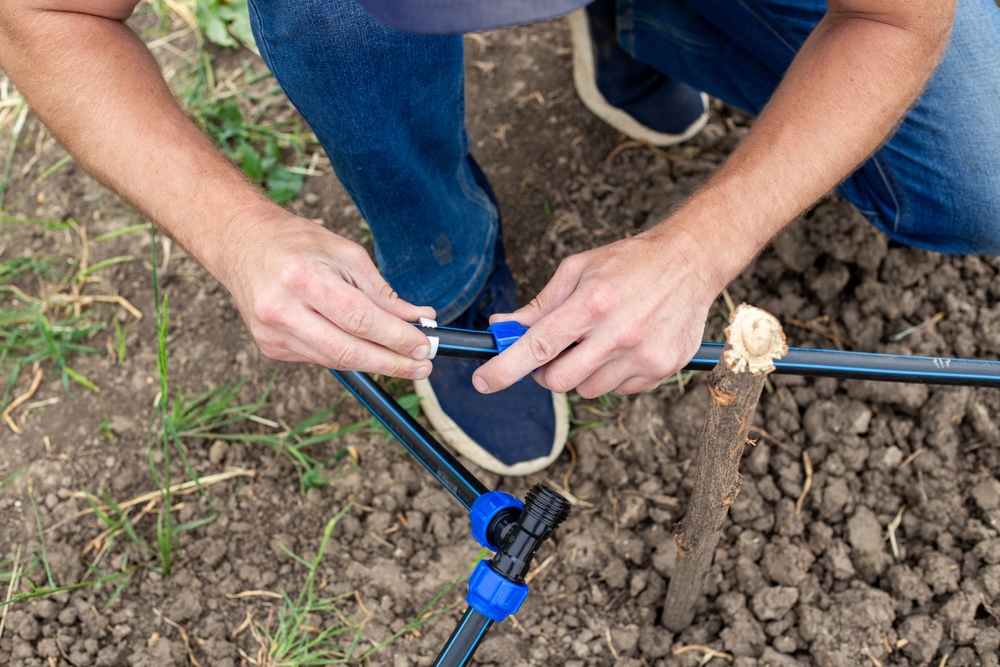
Summer heat does not politely tap on the door before arriving. One week brings mild temperatures and spring rain, and the next week turns gardens into crispy brown cautionary tales. Irrigation systems often reveal hidden problems during the first real heat wave, especially after sitting idle through winter and early spring.
A single cracked sprinkler head or clogged drip line can leave entire flower beds gasping for moisture while water bills climb sky-high. Smart gardeners know that a few quick inspections and inexpensive repairs in early summer can save plants, protect lawns, and prevent frustrating mid-season disasters.
Tiny Leaks Can Create Big Summer Problems
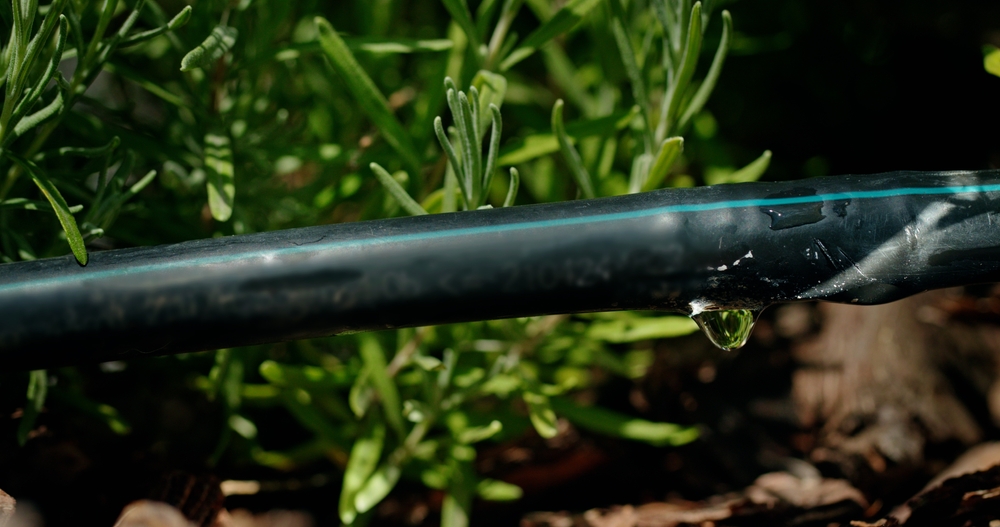
A small irrigation leak may look harmless at first glance, but summer heat quickly magnifies every wasted drop of water. One cracked sprinkler head can dump gallons into the sidewalk while nearby grass dries out and turns patchy. Gardeners often notice soggy spots, muddy puddles, or unusually green patches before spotting the actual leak itself. Many irrigation leaks happen near connection points where winter freezing and shifting soil weaken fittings over time. A simple walk around the yard during a watering cycle can reveal most trouble spots within minutes.
Cheap fixes usually solve these problems faster than people expect. Replacement sprinkler heads often cost less than a lunch combo, and many twist on without special tools. Hardware stores carry universal fittings, drip tubing connectors, and repair clamps that handle common issues without requiring professional help. A roll of plumber’s tape can also stop small connection leaks around threaded parts. Quick repairs not only save water but also help plants receive consistent moisture during brutally hot afternoons.
Sprinkler Heads Need More Attention Than Most Gardeners Realize
Sprinkler heads take a beating from lawnmowers, foot traffic, pets, and shifting ground throughout the year. A tilted head may spray the driveway instead of the lawn, while clogged nozzles can leave dry circles scattered across the yard. Some sprinkler heads shoot uneven streams after dirt or grit builds up inside the nozzle during winter dormancy. Gardeners sometimes blame scorching temperatures for dead grass when poor sprinkler coverage actually causes the damage. Summer exposes every weak spot in an irrigation system with ruthless efficiency.
Fortunately, sprinkler adjustments rank among the easiest and cheapest irrigation fixes available. Most modern sprinkler heads include simple adjustment screws that control spray direction and distance. Cleaning clogged nozzles usually requires nothing more than rinsing debris under running water. Gardeners should also check spray overlap because healthy lawns need even coverage without giant dry gaps between sprinkler patterns. A properly adjusted system delivers stronger results while using less water overall.
Drip Irrigation Deserves a Midseason Tune-Up
Drip irrigation systems save huge amounts of water during summer, but clogged emitters can quietly sabotage entire vegetable gardens and flower beds. Mineral buildup, dirt, and algae frequently block emitters after months of use. Tomato plants often reveal these problems first because inconsistent watering causes split fruit, curling leaves, and blossom-end rot. Gardeners may keep adding water to compensate, but blocked drip lines prevent moisture from reaching root zones effectively. Heat waves only make the problem more obvious as stressed plants wilt faster each afternoon.
A quick flush can revive many struggling drip systems without costing much money. Gardeners should remove end caps and run water through lines to clear debris before replacing emitters. Soaking clogged emitters in vinegar can dissolve mineral buildup and restore steady flow. Cheap replacement emitters also make sense because worn-out parts rarely recover fully after several seasons. Drip systems reward regular maintenance with healthier vegetables, stronger flowers, and dramatically lower water waste.
Timing Makes a Massive Difference During Heat Waves
Many gardeners water at the wrong time and accidentally create more stress for plants instead of relief. Midday watering wastes enormous amounts of moisture because intense sun and high temperatures cause rapid evaporation. Water droplets sitting on leaves during blazing afternoons can also contribute to leaf scorch on sensitive plants. Early morning watering gives soil time to absorb moisture before temperatures climb. Plants start the day hydrated and better prepared to handle scorching conditions.
Smart irrigation timers help remove guesswork from summer watering schedules. Basic hose timers now cost surprisingly little and can automate watering before sunrise. Gardeners with underground sprinkler systems should also adjust seasonal schedules because lawns and flower beds need different watering frequencies as temperatures change. Overwatering creates problems too, including shallow roots, fungal diseases, and weak grass growth. Deep, consistent watering encourages stronger root systems that hold up better during prolonged heat.
Mulch and Irrigation Work Better Together
Even the best irrigation system struggles when bare soil bakes under relentless summer sun. Mulch acts like insulation by slowing evaporation and helping soil retain moisture longer between watering cycles. A two-to-three-inch layer of shredded bark, straw, or compost can dramatically reduce water loss around vegetables, shrubs, and flowers. Mulch also blocks weeds that compete with plants for valuable moisture during dry weather. Gardens with proper mulch coverage often require significantly less irrigation than exposed soil beds.
Gardeners should avoid piling mulch directly against plant stems or tree trunks because trapped moisture can encourage rot and pest problems. Instead, mulch should form a protective blanket around the root zone while leaving small gaps near stems. Fresh mulch also improves soil texture over time as organic materials break down naturally. That healthier soil absorbs and holds water more effectively during summer heat waves. Irrigation systems simply perform better when mulch supports moisture retention instead of letting water disappear into dry air.
Smart Summer Watering Saves More Than Plants
Summer irrigation prep does more than protect flowers and lawns from heat stress. A well-maintained system lowers water bills, prevents expensive landscape damage, and reduces unnecessary strain on local water supplies during peak demand periods. Small repairs completed in early summer often prevent major breakdowns during the hottest weeks of the season. Gardeners who monitor watering habits closely also spot plant problems earlier because healthy irrigation patterns reveal changes in plant appearance faster. A little preparation now can mean greener lawns, healthier vegetables, and fewer frustrating surprises when temperatures spike.
What irrigation fix made the biggest difference in your garden during summer heat? Share favorite watering tricks, repair tips, or budget-friendly solutions in the comments below.
You May Also Like…
Install a DIY Drip Irrigation System to Save Water and Money This June
7 Budget Tools Every Gardener Needs for Safe, Clean Shrub Pruning
Why Watering Consistency Matters More Than Volume
Your Irrigation System Needs One Thing Before It Freezes Solid
The Morning Watering Rule: Why Timing Impacts Growth More Than Quantity

Brandon Marcus is a staff writer for FrugalGardening.com at District Media, Inc., where he delivers practical gardening advice with a relatable, no-nonsense style. An avid amateur gardener, he holds a BA degree and with over ten years of professional writing experience, he is also an award-winning published author whose first book, Questions For Deep Thinkers, was released by Adams Media. His work has appeared in major publications including Fandom.com, CHUD.com, TheColdWire.com, and Fansided.com.
Leave a Reply