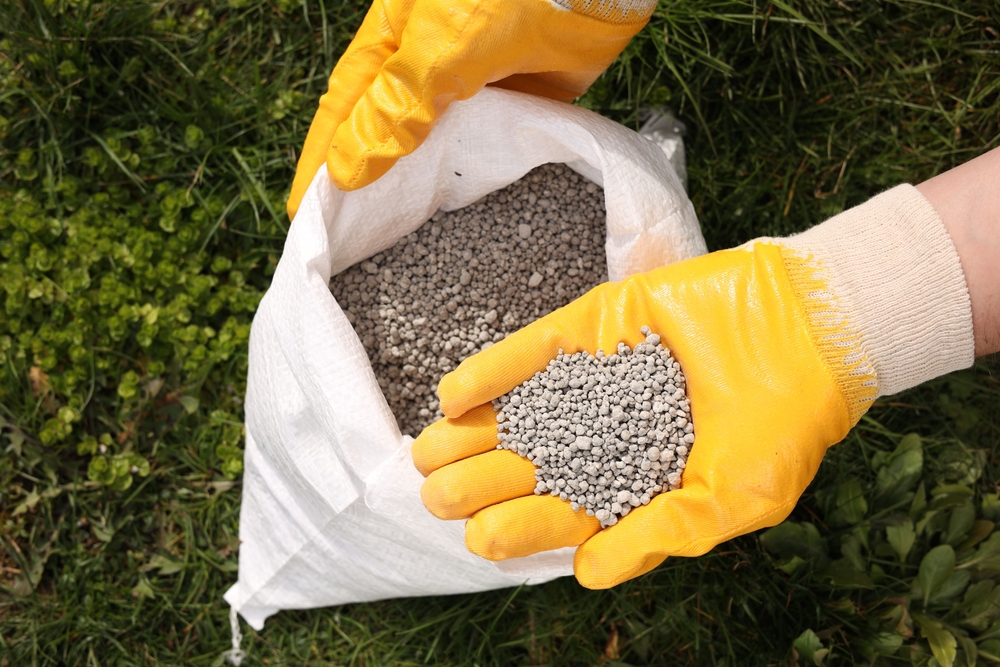
Pennsylvania’s fertilizer law brings a major change to lawn care by banning phosphorus in most residential fertilizer products and limiting nitrogen applications to 0.7 pounds per 1,000 square feet. Gardeners who grab a bag of fertilizer without checking the label may soon discover that the old routine needs a little updating.
Thankfully, a healthier lawn does not require dumping extra nutrients into the soil like a chef tossing salt into a soup pot. Smart timing, soil knowledge, and the right fertilizer choices can help Pennsylvania lawns look great while protecting streams, rivers, and local ecosystems.
Pennsylvania’s Fertilizer Rules Change How Homeowners Feed Lawns
The fertilizer rules focus on two nutrients that can create problems when gardeners apply too much. Pennsylvania now bans phosphorus in most lawn fertilizers unless a soil test shows that the lawn needs it or another specific exception applies.
The nitrogen limit changes the way many homeowners approach lawn feeding because the law caps nitrogen at 0.7 pounds per 1,000 square feet per application. Gardeners who once followed a “more fertilizer means more green” mindset need to rethink that habit and let the grass guide the process.
Nitrogen helps grass grow leafy and green, but excessive applications can wash away during rain and create environmental problems. Phosphorus can fuel unwanted algae growth in waterways, which can damage aquatic habitats and reduce water quality.
A simple fertilizer label check can prevent mistakes before they happen. Look for the three numbers on the bag, which represent nitrogen, phosphorus, and potassium levels, and remember that the middle number should typically show zero for Pennsylvania lawns unless a soil test recommends phosphorus.
This change does not mean gardeners must accept dull, struggling lawns. It means lawn care becomes more intentional, with fewer unnecessary products and more attention to what the soil actually needs.
Soil Tests Become the Gardener’s Best Tool
A soil test can turn fertilizer decisions from guesswork into a clear plan. Instead of buying a product because the bag promises a greener lawn, gardeners can learn whether their soil actually lacks certain nutrients.
Pennsylvania homeowners can send soil samples through local extension programs or other testing services to receive recommendations based on their lawn’s condition. The results can reveal issues with nutrient levels, soil acidity, and other factors that affect grass growth.
A lawn with poor color does not always need more fertilizer. Compacted soil, drought stress, mowing habits, and improper watering often create problems that fertilizer cannot solve. For example, a yard with yellowing grass may tempt someone to spread extra nitrogen, but the real issue could involve low soil health or another underlying problem. A soil test helps separate the real culprit from the usual fertilizer guessing game.
Gardeners can also improve lawn conditions by leaving grass clippings on the lawn after mowing because those clippings return nutrients to the soil naturally. Small changes like this can reduce fertilizer needs while creating a more balanced yard.
Better Timing and Smarter Lawn Habits Make a Difference
Fertilizer works best when gardeners match applications with grass growth patterns. Pennsylvania lawns usually benefit from careful fall feeding because cooler temperatures allow grass roots to store energy before winter arrives.
Spring fertilizer applications require more caution because heavy nitrogen use can push rapid leaf growth when the lawn may still need stronger roots. A quick burst of green may look impressive, but it can create extra mowing and increase stress during hot weather.
Gardeners should also avoid applying fertilizer before heavy rain because rainfall can carry nutrients away from the lawn. Checking the forecast before feeding the grass helps keep valuable nutrients where they belong.
The new nitrogen limit encourages a more balanced approach that combines proper mowing, watering, and soil care. Cutting grass too short, watering too frequently, or ignoring soil problems can create more headaches than a lack of fertilizer. Pennsylvania lawns can still look beautiful under these rules. The secret comes from treating the lawn like a living landscape instead of a green carpet that needs constant chemical attention.
A Fresh Start for Pennsylvania Lawn Care
Pennsylvania’s fertilizer law may feel like a big shift for homeowners who have followed the same lawn routine for years. However, the change creates an opportunity to build healthier habits and reduce unnecessary nutrient use.
The 0.7-pound nitrogen limit and phosphorus ban encourage gardeners to become more thoughtful about every product they spread. A careful approach can protect waterways while still keeping yards attractive and functional.
The biggest mistake gardeners can make involves assuming fertilizer solves every lawn problem. Grass needs the right conditions, and fertilizer only helps when it matches what the soil and plants actually require.
For Pennsylvania gardeners, the new rules offer a chance to trade old habits for smarter strategies. A greener lawn and cleaner environment can go hand in hand when every handful of fertilizer serves a purpose.
What changes should Pennsylvania gardeners make this season to adjust their lawn care routines and work with the new fertilizer rules? Let’s hear your thoughts below!
You May Also Like…
Why Timing Matters More Than Fertilizer
The Fertilizer Burn Risk for Newly Planted Crops
Stop Buying Fertilizer: 6 Free Kitchen Scraps That Supercharge Your Soil
The Chicken Manure Connection: Finding Free Fertilizer in Your Local Facebook Group
The Urine Secret: The “Gold” Fertilizer No One Wants to Talk About

Brandon Marcus is a staff writer for FrugalGardening.com at District Media, Inc., where he delivers practical gardening advice with a relatable, no-nonsense style. An avid amateur gardener, he holds a BA degree and with over ten years of professional writing experience, he is also an award-winning published author whose first book, Questions For Deep Thinkers, was released by Adams Media. His work has appeared in major publications including Fandom.com, CHUD.com, TheColdWire.com, and Fansided.com.
Leave a Reply