A backyard can look peaceful on the surface while a tiny army quietly shapes everything underneath. Some insects protect plants, but others signal trouble, damage roots, or invite bigger infestations if ignored. Garden health often depends on noticing these small intruders before they multiply and spread.
Every leaf, stem, and patch of soil tells a story when the right eyes inspect it closely. The following backyard bugs deserve immediate attention because they often point to deeper garden problems.
1. Aphids That Drain Plant Vitality
Aphids cluster on tender stems and new leaves, sucking sap and weakening plants fast. They reproduce at lightning speed, which means a small group can explode into a full infestation within days. Sticky residue called honeydew often coats leaves and attracts ants across the garden. Plants under aphid stress often curl, yellow, or stop growing properly. Early intervention keeps ornamental and vegetable plants from collapsing under their pressure.
Gardeners often spot aphids on roses, kale, peppers, and fruit trees. Ladybugs and lacewings naturally reduce populations when the ecosystem stays balanced. Strong water sprays knock them off plants before colonies establish control. Neem oil treatments interrupt their feeding cycle and slow reproduction significantly. Ignoring aphids invites widespread plant decline that becomes difficult to reverse.
2. Japanese Beetles That Skeletonize Leaves
Japanese beetles chew leaves down to a lace-like structure that signals severe damage. Their metallic green and copper shells make them easy to identify during daytime feeding. Large groups often gather on roses, grapes, and fruit trees during warm summer weeks. Plants lose energy quickly when beetles strip away photosynthetic surfaces. Severe infestations weaken entire garden sections within a single season.
Hand-picking beetles in the early morning reduces their population quickly. Soapy water traps provide simple control without harsh chemicals. Beneficial nematodes target beetle larvae in the soil and break their life cycle. Traps placed far from gardens lure adults away from vulnerable plants. Ignoring Japanese beetles leads to repeated yearly damage that grows worse over time.
3. Slugs That Destroy Seedlings Overnight
Slugs glide through damp soil and feed heavily on tender seedlings and soft leaves. Their slime trails often reveal their nighttime movements across garden beds. Moist, shaded areas attract them in large numbers after rainfall or watering. They leave irregular holes that make plants look shredded and unhealthy. Seedlings often vanish completely after a single night of feeding.
Copper tape around raised beds disrupts their movement and protects vulnerable plants. Beer traps lure slugs away and reduce populations effectively. Removing debris and excess mulch limits their hiding spots during the day. Hand removal during evening hours keeps infestations under control in small gardens. Ignoring slugs often results in repeated crop loss at the most fragile growth stage.
4. Spider Mites That Stain Leaves with Speckles
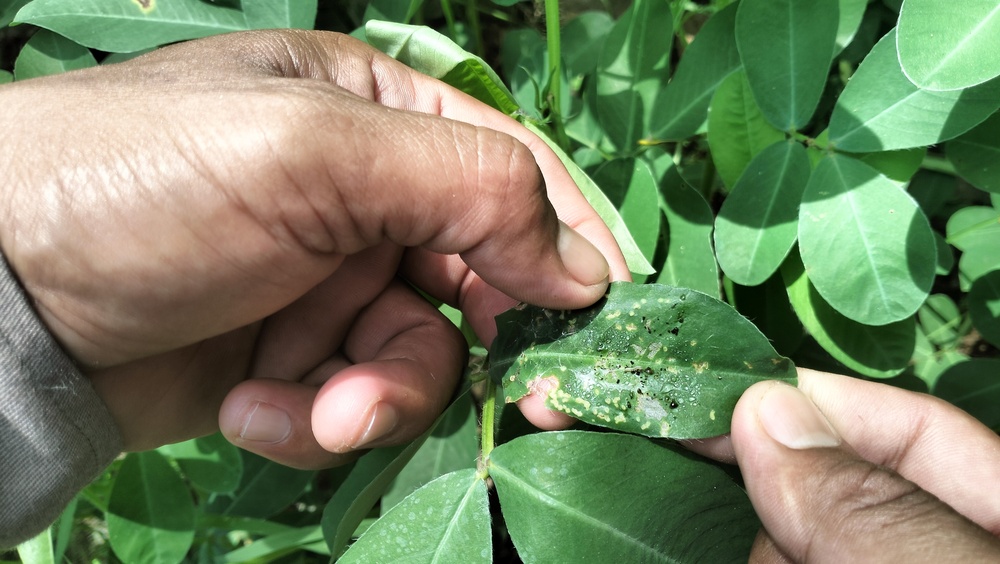
Spider mites feed on plant cells and leave tiny yellow or white speckles behind. Their presence often goes unnoticed until plants develop visible stress patterns. Dry, hot conditions encourage rapid reproduction and colony expansion. Fine webbing between leaves signals advanced infestation stages. Plants weaken as chlorophyll production drops under constant feeding pressure.
Regular misting helps disrupt their breeding cycle and slows population growth. Predatory mites naturally reduce outbreaks when introduced into gardens. Strong water sprays remove mites from leaf undersides effectively. Insecticidal soap targets them without harming beneficial insects nearby. Ignoring spider mites leads to widespread discoloration and long-term plant weakness.
5. Cutworms That Sever Young Plants
Cutworms hide in soil during the day and feed at night on plant stems. They often cut seedlings cleanly at the base, causing sudden plant collapse. Gardeners often mistake their damage for disease or transplant shock. They prefer young vegetables like tomatoes, lettuce, and peppers. Entire garden rows can disappear overnight when populations grow unchecked.
Collars made from cardboard or plastic protect seedlings from nighttime attacks. Tilling soil exposes larvae to predators and reduces future damage. Natural predators like birds help control cutworm populations effectively. Hand removal during early infestations prevents major losses in garden beds. Ignoring cutworms often results in repeated planting failures.
6. Earwigs That Chew Leaves and Flowers
Earwigs feed at night and hide in dark, damp spaces during daylight hours. They chew irregular holes into leaves, petals, and soft plant tissue. Gardeners often find them inside mulch piles and under garden debris. Their population rises quickly in overly moist environments. Damage often appears scattered and inconsistent across plants.
Reducing excess moisture limits their breeding and hiding opportunities. Rolled-up newspaper traps collect earwigs effectively overnight. Diatomaceous earth creates a barrier that discourages movement across beds. Removing mulch near plant stems reduces their shelter options. Ignoring earwigs allows gradual but steady plant damage across the garden.
7. Whiteflies That Swarm When Disturbed
Whiteflies gather under leaves and fly up in clouds when plants get shaken. They feed on plant sap and weaken growth over time. Sticky honeydew often coats surfaces and encourages mold growth. Infested plants often appear dull, wilted, and unhealthy. Their rapid reproduction makes early detection extremely important.
Yellow sticky traps capture adult whiteflies effectively in garden spaces. Neem oil disrupts their life cycle and reduces egg development. Strong water sprays remove them from leaf undersides quickly. Encouraging beneficial insects like ladybugs helps control populations naturally. Ignoring whiteflies leads to persistent plant stress and reduced yields.
8. Ants That Signal Hidden Aphid Colonies
Ants often farm aphids and protect them in exchange for honeydew. Their presence usually signals a hidden infestation nearby. They build tunnels that disturb soil structure around plant roots. Some species even invade fruit and vegetable crops directly. Their activity often escalates other pest problems in the garden.
Breaking aphid colonies reduces ant activity immediately. Diatomaceous earth creates barriers that disrupt their movement paths. Boiling water treatments near nests reduce colony size quickly. Natural deterrents like cinnamon disrupt their scent trails. Ignoring ants often allows deeper pest networks to develop underground.
9. Cabbage Worms That Devour Leafy Greens
Cabbage worms blend into leaves and feed aggressively on brassica crops. They leave large holes that destroy kale, cabbage, and broccoli plants. Their green coloration makes them difficult to spot early on. Birds and parasitic wasps naturally control their populations in balanced ecosystems. Damage increases quickly when colonies go unnoticed.
Handpicking larvae prevents rapid spread across garden beds. Floating row covers protect crops from adult butterflies laying eggs. Bacillus thuringiensis targets larvae without harming beneficial insects. Crop rotation reduces recurring infestations season after season. Ignoring cabbage worms leads to repeated harvest loss in vegetable gardens.
10. Flea Beetles That Puncture Leaf Surfaces
Flea beetles create tiny shot-like holes across leaves and seedlings. They jump quickly when disturbed, making them hard to catch. Young plants often suffer the most severe damage from their feeding. Hot, dry conditions encourage population spikes during growing seasons. Their damage often slows plant growth significantly.
Row covers protect seedlings during vulnerable early stages. Trap crops lure beetles away from main garden plants. Diatomaceous earth helps reduce their movement across soil surfaces. Companion planting with strong-scented herbs discourages feeding activity. Ignoring flea beetles leads to stunted plants and reduced harvest quality.
Backyard Bug Awareness That Protects Every Plant
Garden success depends on spotting small threats before they escalate into major problems. Each insect on this list signals imbalance, damage, or hidden stress within the ecosystem. Early action saves plants, reduces repair work, and keeps harvests strong throughout the season. Healthy gardens always reflect consistent attention and smart intervention strategies. A careful eye turns backyard chaos into a productive and balanced space.
What backyard bug has caused the most damage in your garden so far?
You May Also Like…
The Backyard Gardening Trend Taking Over Small Suburbs
Why Some Gardens Attract More Pests
How to Protect Garden Borders From Pests
8 Insects That Actually Help in Fall Gardens

Brandon Marcus is a staff writer for FrugalGardening.com at District Media, Inc., where he delivers practical gardening advice with a relatable, no-nonsense style. An avid amateur gardener, he holds a BA degree and with over ten years of professional writing experience, he is also an award-winning published author whose first book, Questions For Deep Thinkers, was released by Adams Media. His work has appeared in major publications including Fandom.com, CHUD.com, TheColdWire.com, and Fansided.com.
Leave a Reply