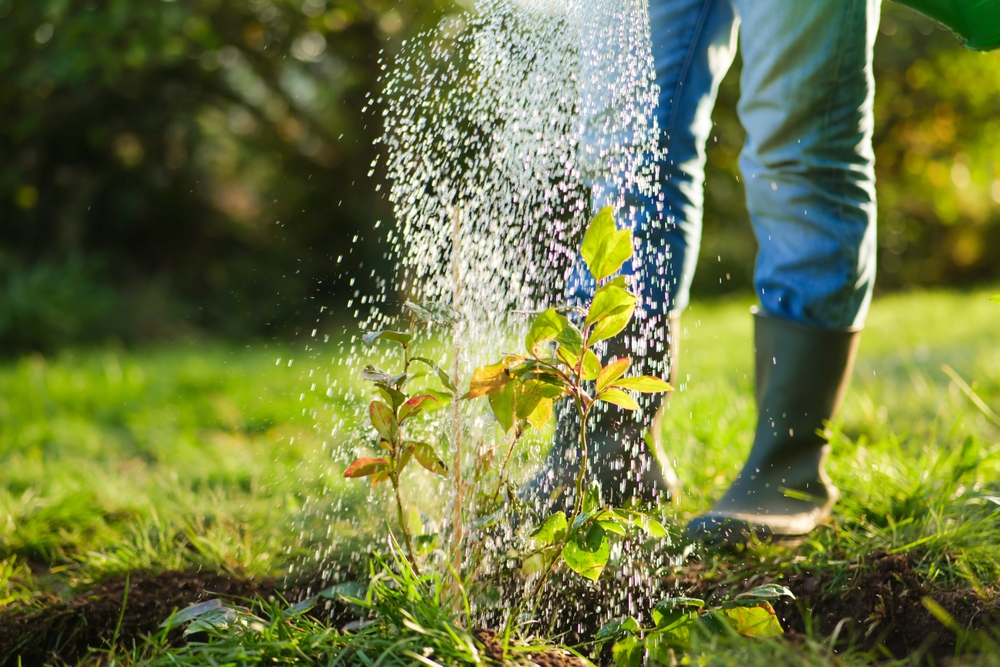
Hot weather pushes every garden to its limits, and the way plants receive water often determines whether they stay healthy or struggle through the season. A quick daily sprinkle might seem helpful, but it usually wets only the surface while leaving deeper roots dry and searching for moisture.
Deep watering changes that story completely. It encourages roots to grow farther into the soil, helps plants ride out hot afternoons with less stress, and makes every watering session count. That simple shift in routine often creates stronger flowers, healthier vegetables, and shrubs that keep looking fresh even when the forecast refuses to cool down.
Deep Watering Teaches Roots Where to Grow
Roots follow water, and that simple fact explains why watering habits matter so much. Light daily sprinkling keeps moisture close to the surface, so roots stay shallow and become more vulnerable when the top inch of soil dries in the afternoon sun. Deep watering encourages moisture to move farther into the ground, giving roots a reason to stretch downward instead of clustering near the surface. Plants with deeper root systems usually handle hot spells better because they can reach moisture that shallow roots never touch. A tomato plant, pepper, rose bush, or young tree all benefit from this stronger underground foundation during the hottest weeks of summer.
Picture two identical tomato plants growing side by side in July. One receives a quick splash every morning, while the other gets a slow, soaking drink every few days. The first plant often wilts by late afternoon because its roots remain close to the hot surface soil. The second plant usually stays firmer because its roots reach cooler, damper soil several inches below. That difference becomes even more noticeable after several weeks of consistent watering habits.
Frequent Sprinkling Creates More Problems than Many Gardeners Expect
Daily surface watering often gives gardeners a false sense of security because the soil looks damp immediately after watering. Scratch below that thin wet layer, though, and the ground frequently feels dry only an inch or two down. Plants may still experience drought stress even though sprinklers run every day.
Constant moisture near the surface also encourages weed seeds to sprout. Those unwanted plants compete with vegetables, flowers, and shrubs for valuable water and nutrients during the hottest part of the season. Wet foliage from overhead sprinkling can also create conditions that favor certain fungal diseases, especially when leaves stay damp for long periods. A slower watering method aimed directly at the soil helps avoid many of those issues while delivering water exactly where plants need it most.
Hot Weather Makes Timing Almost as Important as Technique
Early morning remains the best time to water because cooler temperatures allow more moisture to soak into the soil before the sun begins pulling it back into the air. Watering during the hottest part of the afternoon leads to faster evaporation, which means less water actually reaches plant roots. Evening watering can work when necessary, although leaves that stay wet overnight may increase disease risks for some plants.
Deep watering also requires patience instead of speed. A fast blast from a hose often runs across the soil instead of soaking into it, especially if the ground has become hard after several days of heat. Slowing the flow gives moisture enough time to sink deeper into the root zone. Soaker hoses and drip irrigation systems make this process especially effective because they release water gradually without wasting much through evaporation or runoff.
The Soil Itself Decides how Long Watering Should Last
Every garden contains different soil, and that changes how water moves underground. Sandy soil drains quickly, so gardeners may need to water deeply a little more often. Clay soil absorbs water much more slowly, but once it becomes moist, it usually holds water much longer than sandy ground.
Checking the soil beats following a calendar every time. A small trowel or even a finger can reveal whether moisture has reached several inches below the surface. If the soil feels dry beneath the top layer, plants probably need another deep soaking. Adding two or three inches of organic mulch around plants also helps by slowing evaporation, keeping soil cooler, and reducing temperature swings during scorching afternoons. Mulch and deep watering form an excellent partnership throughout the hottest months of the growing season.
Strong Watering Habits Create Stronger Gardens All Season Long
Gardens rarely need more water than gardeners think. Instead, they usually need better watering habits. A lawn, vegetable bed, perennial border, or newly planted tree all respond better to fewer, longer watering sessions than frequent shallow ones because deeper roots provide greater resilience during heat and dry weather.
Small adjustments can produce surprisingly noticeable results within a few weeks. Leaves stay firmer through hot afternoons, vegetables continue producing more consistently, and flowering plants spend less energy recovering from daily heat stress. The garden also becomes more efficient because less water evaporates from the soil surface before plants can use it. That means every gallon works harder, which benefits both the landscape and the water bill during long stretches of summer heat.
Give Your Garden a Drink, Not Just a Splash
Deep watering asks for a little patience today in exchange for healthier plants tomorrow. Instead of chasing wilted leaves every afternoon with another quick sprinkle, gardeners can build stronger root systems that stand up to heat with far less struggle. Pair that approach with morning watering, healthy mulch, and occasional soil checks, and the entire garden gains a better chance to stay lush and productive throughout the hottest weeks of the year.
What watering method has made the biggest difference in your garden during summer heat? Share your favorite tips or lessons learned in the comments below.
You May Also Like…
The Heat-Wave Watering Mistake That Can Kill Container Gardens
Why Self-Watering Gardens Are Suddenly So Popular
The Watering Myth: Why More Moisture Can Hurt Root Development
Why Moisture Levels Matter More in Autumn

Brandon Marcus is a staff writer for FrugalGardening.com at District Media, Inc., where he delivers practical gardening advice with a relatable, no-nonsense style. An avid amateur gardener, he holds a BA degree and with over ten years of professional writing experience, he is also an award-winning published author whose first book, Questions For Deep Thinkers, was released by Adams Media. His work has appeared in major publications including Fandom.com, CHUD.com, TheColdWire.com, and Fansided.com.
Leave a Reply