
The moment the snow melts and the garden wakes up, the compost pile sometimes delivers a shocking surprise. Instead of the earthy aroma of rich soil, the air suddenly fills with something that resembles a swamp, a barnyard, or worse. That smell doesn’t mean the compost pile has failed, but it absolutely means something in…
Termite Prevention Tips for Raised Beds
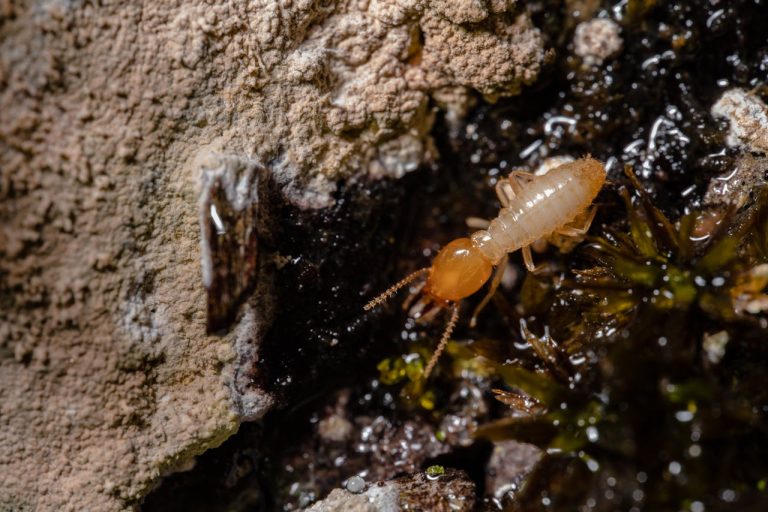
A raised garden bed should be a sanctuary for thriving plants, rich soil, and the quiet satisfaction of watching vegetables and flowers flourish. Unfortunately, that same cozy wooden structure can look like a luxury buffet to termites. These tiny wood-devouring insects never show up with an invitation, yet they can quietly chew through untreated boards…
How to Turn Household Waste Into Garden Fertilizer
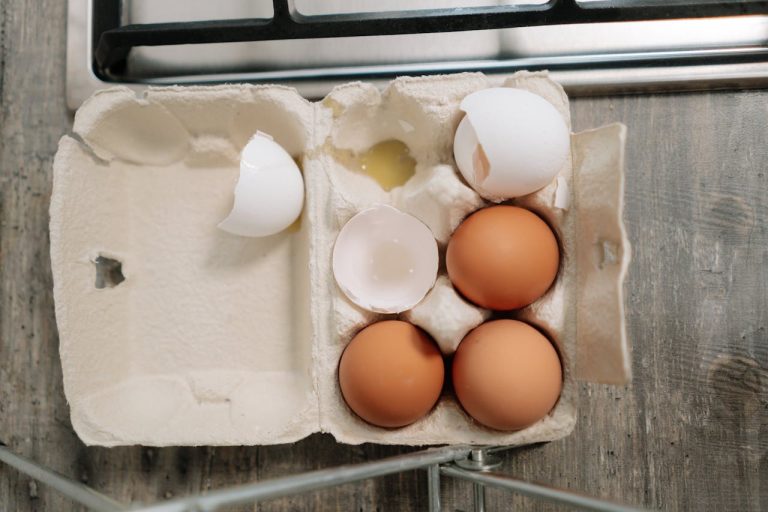
The trash can might hold the most valuable gardening supplies in the house. Coffee grounds, eggshells, vegetable peels, and even fallen leaves can transform tired soil into a thriving ecosystem that grows healthier plants, bigger harvests, and brighter flowers. Instead of sending these materials to landfills, gardeners can convert them into nutrient-rich fertilizer that feeds…
Why Early Planting Can Backfire
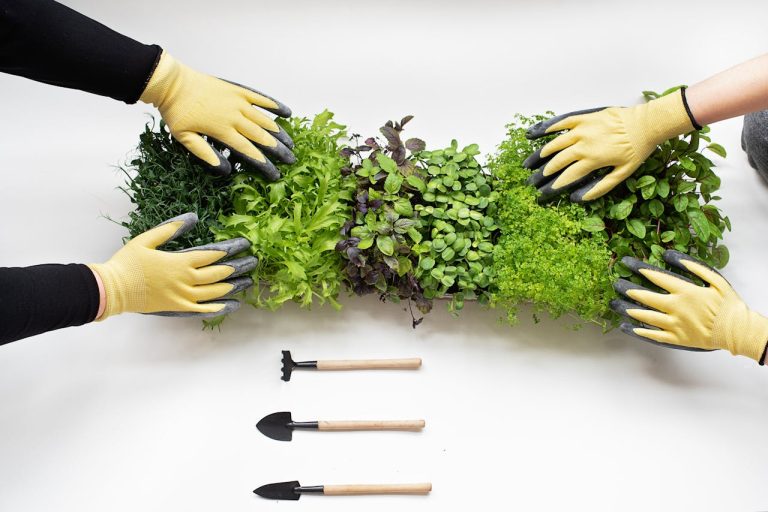
Spring’s first warm days seduce even the most disciplined gardeners. The soil softens, the sun shines brighter, and seeds in their packets practically beg to be planted. It’s tempting to push ahead, imagining rows of lush vegetables thriving weeks earlier than usual. However, planting too early turns hope into heartbreak faster than any insect, disease,…
Low-Cost Ways to Improve Sandy Soil
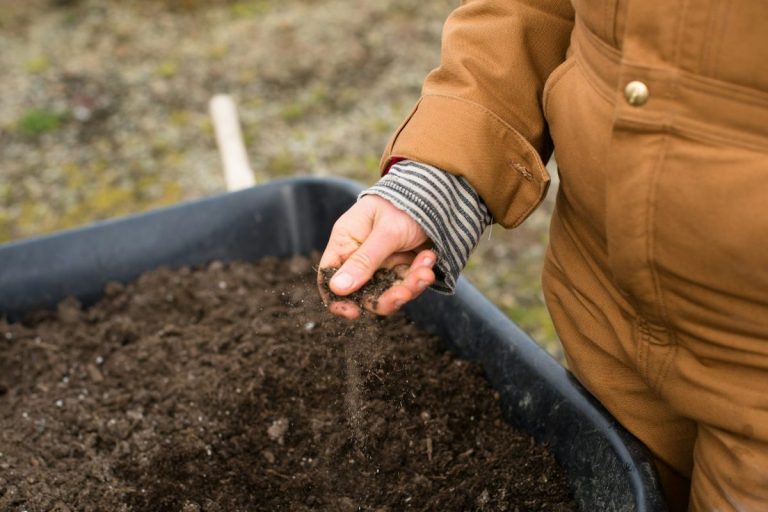
Sandy soil is like the ultimate frenemy of gardeners everywhere. It drains water faster than anyone can refill a watering can, washes away nutrients before plants have a chance to enjoy them, and leaves seeds tumbling into oblivion like they were auditioning for an escape act. Yet, sandy soil doesn’t have to be a curse;…
What Yellowing Leaves in March Often Mean
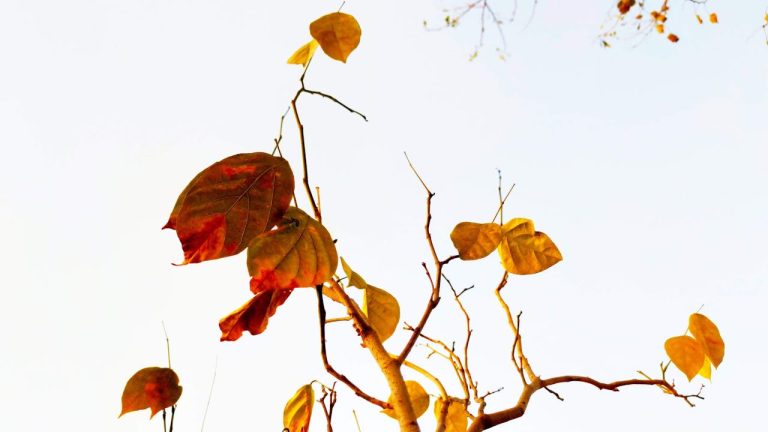
March arrives like a magician shaking off winter’s last tricks, yet for anyone watching their plants, it can also feel like a betrayal. Those once-vibrant green leaves suddenly start turning yellow, dropping hints that something is off. The shift from green to gold might look pretty at first glance, but in the plant world, yellow…
How to Stop Birds From Digging Up Seeds
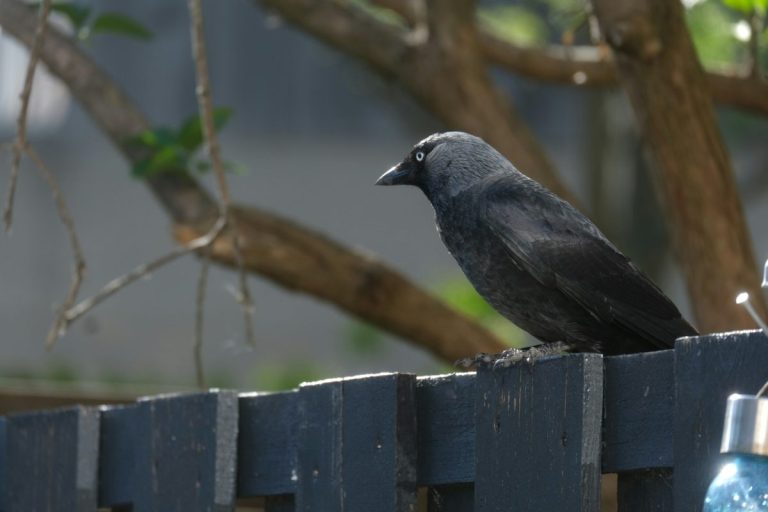
When seeds hit the soil, hope for sprouts feels fragile when a flock of birds swoops in like tiny green-thumbed thieves. They seem innocent, even charming, until they turn freshly planted rows into chaotic landscapes of bare dirt. Birds peck, scratch, and dig with a persistence that can make any gardener want to throw in…
The Most Overlooked Spring Pest: Cutworms

Spring ushers in sunlight, blossoms, and the eager buzz of life returning to the garden. Amid this cheer lurks a quiet menace capable of turning careful planting into heartbreak overnight. Cutworms strike fast, usually at night, severing tender seedlings at their base and leaving gardeners staring at empty soil where lush growth should thrive. These…
How to Grow More Food in Less Space
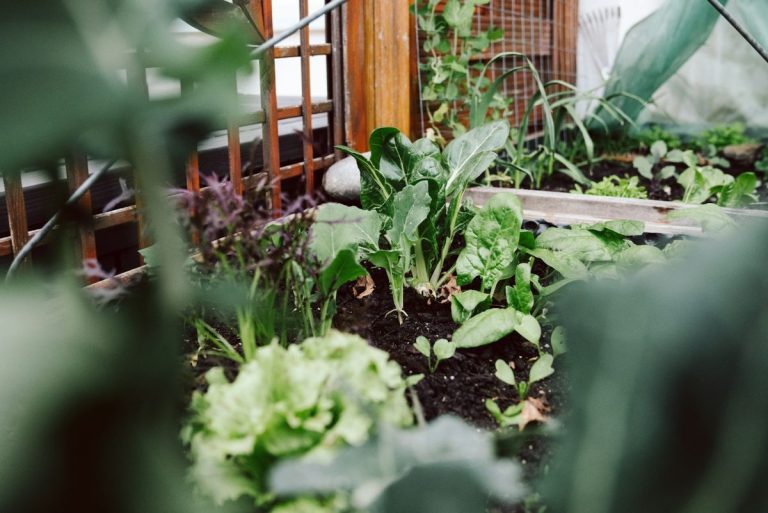
A small garden does not limit ambition. A tight backyard, a balcony, or a narrow strip of soil can deliver an impressive harvest when every inch works harder. Gardeners who rethink spacing, structure, and plant selection often pull baskets of vegetables from areas that once looked far too cramped to bother with. Smart planning turns…
Why Cardboard Is a Useful Tool for Gardeners

A pile of cardboard might look like recycling, but in the garden it becomes a quiet powerhouse. Gardeners constantly battle weeds, stubborn soil, and endless chores, yet one humble material tackles all three at once. Cardboard suppresses weeds, protects soil, feeds beneficial organisms, and helps create new garden beds without heavy digging. Anyone who spends…