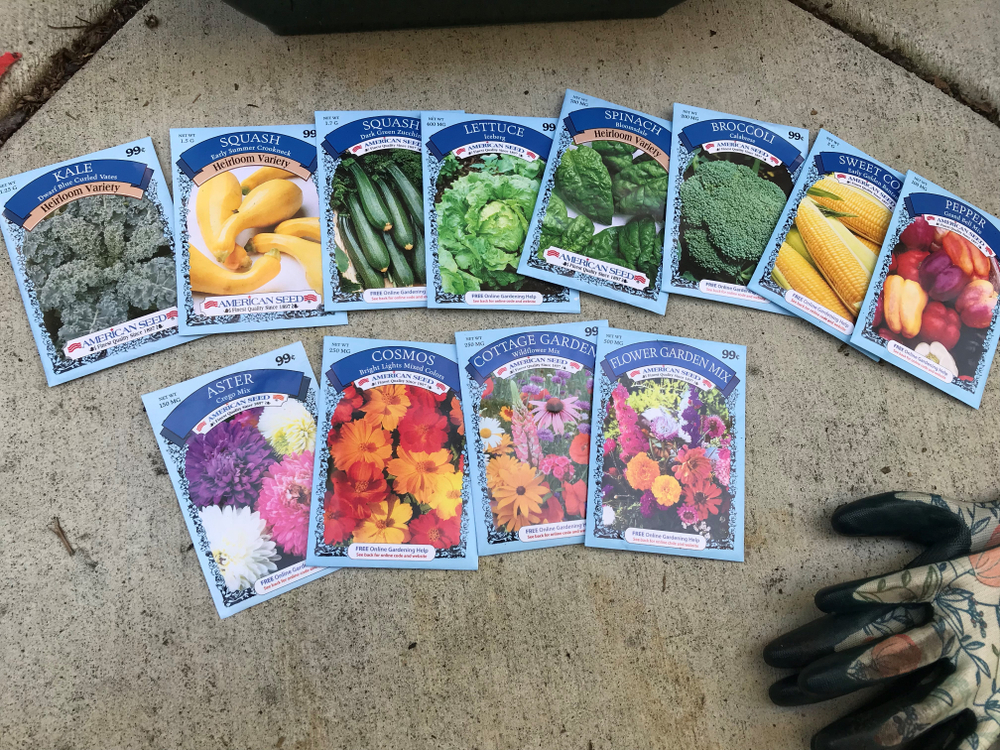
Walk into a dollar store in late winter and you might find vegetable seed packets selling for a fraction of what the glossy garden catalog charges. Put a 50-cent packet beside a $5 packet of seemingly similar tomato, lettuce, or cucumber seeds, and it’s reasonable to wonder what you’re actually getting for that extra $4.50. The surprising answer is that cheap garden seeds aren’t automatically inferior simply because the packet costs less. Seed quality, freshness, variety, germination, seed count, genetics, and storage conditions matter considerably more than the price printed on the display. Before spending $50 filling your seed box with premium packets, here’s how the cheap-versus-expensive comparison really works.
Price Alone Doesn’t Tell You Whether a Seed Will Sprout
The most basic measure of seed performance is germination: how many seeds successfully produce normal seedlings under suitable conditions. NC State explains that a standard germination test measures the percentage of seeds producing normal seedlings under optimal conditions and recommends choosing seed with high germination rates. Federal regulations even establish minimum germination standards for vegetable seed moving in interstate commerce, including 80% for lettuce and cucumber, 75% for tomato and radish, and 55% for carrots. Under federal seed regulations, small vegetable-seed packets falling below the applicable standard must be conspicuously marked “Below Standard” and disclose germination information. In other words, cheap garden seeds sold through ordinary legitimate retail channels don’t automatically get a free pass on basic seed standards because they cost 50 cents.
The $5 Packet May Contain Something Different
Sometimes paying five times as much really does buy something the bargain packet doesn’t offer—but it may be genetics rather than better germination. Hybrid seed can cost significantly more because producing new hybrids requires years of work and carefully controlled crosses between parent plants. Those hybrids may be developed for valuable traits such as disease resistance, particular growth habits, seedlessness, improved uniformity, or other characteristics. A premium tomato bred to resist several diseases therefore isn’t directly comparable to an inexpensive packet containing a basic open-pollinated tomato variety. If both packets contain varieties suitable for your garden and your only objective is growing a tomato, however, the inexpensive seed may accomplish exactly what you need.
Compare How Many Seeds You’re Actually Buying
Packet price can also be deceptive because two packages may contain dramatically different quantities of seed. A 50-cent packet containing 20 seeds costs 2.5 cents per seed, while a $5 packet containing 100 costs 5 cents each—not ten times as much on a seed-for-seed basis. Specialty varieties can swing the calculation even further, particularly when production costs are high or the seed is sold in relatively small quantities. Before declaring cheap garden seeds the winner, compare seed count or net weight along with the variety you’re receiving. For a gardener with room for only four tomato plants, though, getting 100 seeds instead of 20 doesn’t provide much financial benefit unless the leftovers will be properly stored and used later.
Freshness Matters More Than Fancy Packaging
One place I’d pay close attention at a discount retailer is the date on the packet. Iowa State University recommends buying seed packaged for the current growing season because germination declines over time, with storage conditions playing an important role. The Extension also recommends avoiding seed stored in wet or damp locations or exposed to extreme temperatures because those conditions can hurt germination. That means a current-season bargain packet stored properly may be a better purchase than expensive older seed that’s spent months baking in a bad location. Check the package before tossing it into your basket instead of assuming the expensive brand automatically contains fresher seed.
You Can Test Cheap Seeds Before Risking the Garden
If you’re skeptical about that bargain packet, you don’t have to gamble an entire planting bed to find out whether it’s viable. Iowa State University recommends a simple home germination test using at least 20 seeds placed on premoistened paper towels, rolled up, and kept inside a plastic bag in a warm location. Count how many germinate, divide that number by the number tested, and you’ve got a rough germination percentage for your packet. If 18 of 20 seeds sprout, that’s 90% germination—a very respectable result regardless of whether the packet cost 50 cents or $5. If only 10 germinate, you can sow more heavily or replace the packet before losing weeks waiting for seedlings that aren’t coming.
Premium Seeds Can Earn Their Price in a Difficult Garden
There are situations where paying extra makes excellent financial sense. Suppose powdery mildew, fusarium wilt, or another disease repeatedly destroys a particular crop in your garden, and a more expensive variety offers resistance appropriate to that problem. Nebraska Extension notes that hybrid breeding can produce characteristics including disease resistance, which may make the higher upfront seed price insignificant compared with losing an entire crop. Regional adaptation matters too, because a variety that performs beautifully in one climate isn’t necessarily the best choice hundreds of miles away. The question isn’t whether premium seed is universally “better,” but whether you’re paying for a trait that solves an actual problem in your garden.
Cheap Seeds Get Expensive When You Buy Varieties You Won’t Use
The dollar-store display creates another gardening trap because inexpensive packets make it ridiculously easy to overbuy. Ten 50-cent packets still cost only $5, so suddenly you’re carrying home eggplant, rutabagas, Swiss chard, four kinds of flowers, and a watermelon variety you don’t have space to grow. Gardeners should not order more seed than their available space and desired yields require. Unused seed can remain viable when stored correctly, but germination generally declines with age, depending on the crop and storage conditions. The cheapest seed purchase is still wasted money when the packet spends three years forgotten in a kitchen drawer.
Run Your Own Side-by-Side Test
Gardeners who really want to know whether cheap garden seeds perform differently can conduct a simple experiment instead of arguing about brands online. Buy inexpensive and premium versions of the same vegetable, start equal numbers under identical conditions, and record germination percentage, days to germination, seedling vigor, survival, and eventual harvest. Keep in mind that different varieties can naturally grow differently, so the experiment won’t prove that every cheap or premium brand performs the same way. What it will show is whether paying extra produced a meaningful advantage under your actual growing conditions. For a frugal gardener, that’s far more useful than assuming prettier packaging must produce prettier vegetables.
Spend More on Traits, Not the Price Tag
There’s no solid reason to reject cheap garden seeds merely because they came from a dollar store or cost dramatically less than premium packets. Look instead at freshness, variety, seed quantity, germination, growing requirements, and whether an expensive hybrid offers disease resistance or another trait your garden actually needs. The USDA’s Federal Seed Act exists partly to provide buyers with meaningful quality and labeling information rather than forcing them to judge seed entirely by branding and price. For ordinary lettuce, radishes, beans, flowers, and other uncomplicated plantings, a fresh inexpensive packet from a legitimate seller may be all you need.
Have you grown dollar-store seeds beside expensive varieties, and did you notice enough difference to justify paying more? Share your results in the comments.
What to Read Next
The $5 Dollar Store Gardening Hack Everyone on Newsbreak Is Trying
The Dollar Store Gardening Finds That Actually Work
5 Reasons to Visit the Dollar Store Before the Garden Center This Month
Leave a Reply