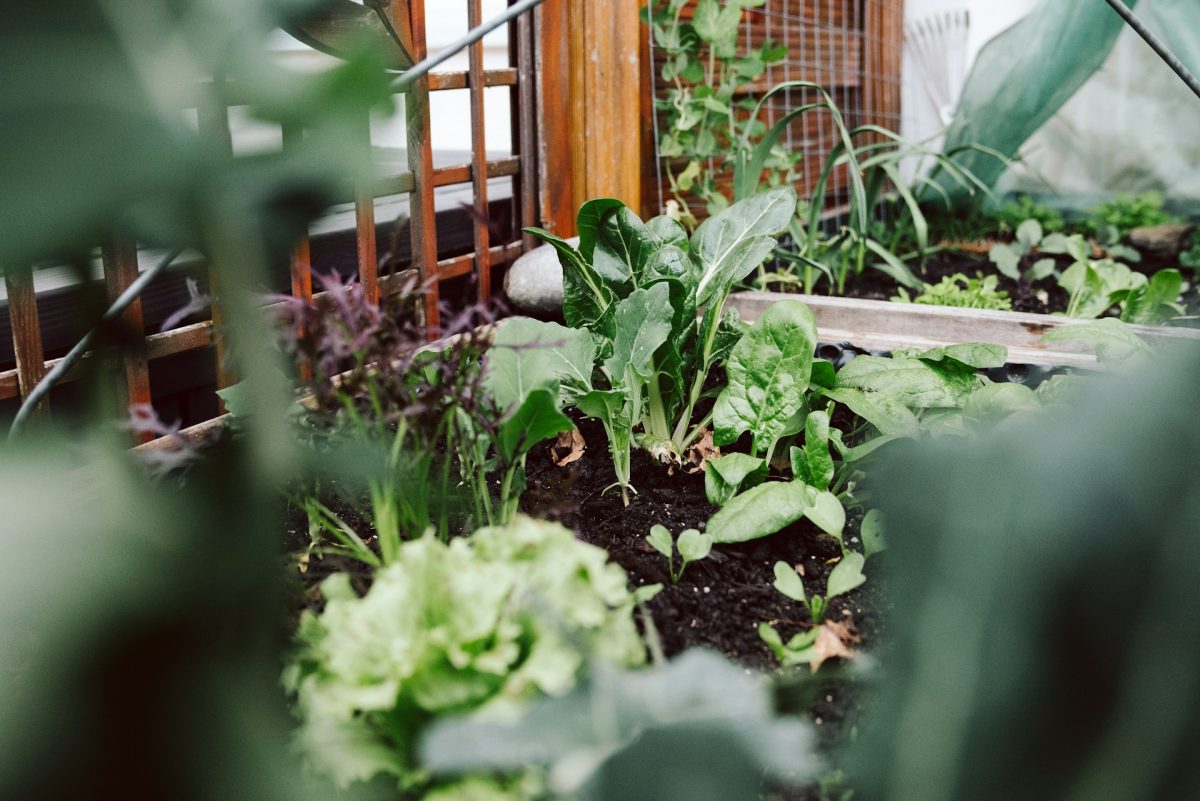
A small garden does not limit ambition. A tight backyard, a balcony, or a narrow strip of soil can deliver an impressive harvest when every inch works harder. Gardeners who rethink spacing, structure, and plant selection often pull baskets of vegetables from areas that once looked far too cramped to bother with.
Smart planning turns limited space into a productive food factory, and the best part involves creativity rather than complicated tools. With the right strategies, a compact garden can rival the output of much larger plots while staying easier to maintain and far more fun to experiment with.
Grow Up, Not Out: Vertical Gardening Changes Everything
Flat gardens waste opportunities. Vertical gardening transforms fences, walls, trellises, and arches into productive growing space, which instantly multiplies the amount of food a small garden can support. Climbing vegetables such as beans, peas, cucumbers, and certain squash varieties thrive when gardeners guide them upward along trellises or netting. Instead of sprawling across valuable soil, vines climb skyward and leave room below for additional crops.
A simple trellis made from wood, metal panels, or strong garden netting provides enough support for most climbing plants. Gardeners often place these structures along the north side of beds so taller plants avoid casting heavy shade on shorter crops. This approach creates a layered garden where sunlight still reaches every plant.
Vertical structures also improve airflow and make harvesting easier. Gardeners spot ripe vegetables faster when vines hang neatly on supports rather than hiding in tangled foliage on the ground. That visibility reduces missed harvests and helps prevent disease because leaves dry faster after rain or watering.
Some creative gardeners even train tomatoes vertically using sturdy cages or tall stakes. Indeterminate tomato varieties continue growing and producing throughout the season, which makes them perfect candidates for vertical growth. When plants stretch upward instead of outward, the same garden bed suddenly holds several productive plants instead of just one or two.
Raised Beds Pack More Productivity Into Every Inch
Traditional row gardening spreads plants across wide areas, but raised beds concentrate production into tidy rectangles where every inch supports growth. Gardeners fill raised beds with rich soil and arrange crops in dense patterns instead of long rows separated by empty walking paths. This layout allows plants to grow closer together because raised beds maintain consistent soil quality and better drainage. Healthy soil supports stronger roots, and strong roots allow plants to share space more efficiently. When plants grow close enough for their leaves to lightly touch at maturity, their canopy shades the soil and slows weed growth.
Raised beds also simplify garden management. Gardeners control soil composition more easily and avoid compacting the soil because walking occurs only around the beds rather than inside them. Loose soil encourages deep root growth, which improves plant health and boosts yields.
A four-by-eight foot raised bed can produce an impressive amount of food when gardeners plan carefully. Lettuce, carrots, radishes, herbs, and peppers thrive in compact arrangements that maximize productivity without overcrowding. Many gardeners discover that two or three well-managed raised beds outperform a much larger traditional garden.
Square Foot Gardening Brings Order to the Chaos
Square foot gardening provides a straightforward system for intensive planting. This method divides garden beds into a grid of one-foot squares, and each square holds a specific number of plants depending on their mature size. Large plants such as broccoli or cabbage usually occupy one square each. Medium-sized crops like bush beans often fit four plants per square. Smaller vegetables such as carrots or radishes may grow in groups of sixteen within the same space.
This structured approach removes guesswork from planting and ensures efficient use of soil. Gardeners no longer waste space between rows because each square serves a clear purpose. The grid also helps gardeners rotate crops easily and keep track of plant varieties throughout the season.
Square foot gardening works especially well for beginners or anyone who enjoys a sense of order in the garden. The method encourages careful planning before planting begins, which often leads to higher yields and fewer surprises. A simple wooden grid placed over a raised bed provides all the structure required.
Containers Turn Any Surface Into a Mini Farm
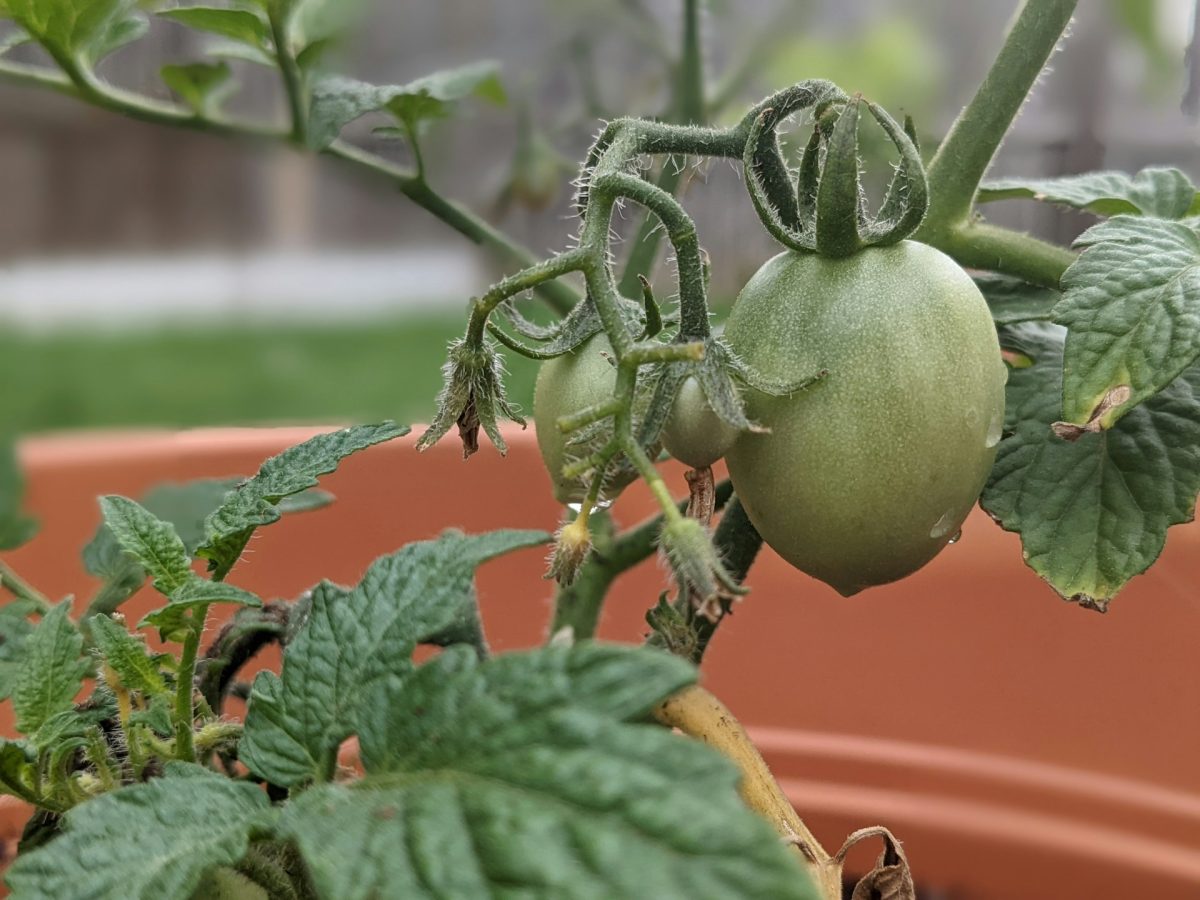
Not every garden includes a patch of soil. Containers allow vegetables to thrive on patios, balconies, rooftops, and driveways where traditional gardens simply cannot exist. Large pots, buckets, fabric grow bags, and window boxes all support productive plants when gardeners fill them with high-quality potting mix and provide consistent watering. Tomatoes, peppers, lettuce, spinach, herbs, and even compact varieties of eggplant perform beautifully in containers.
Gardeners often overlook vertical opportunities with containers as well. Hanging baskets support trailing tomatoes or strawberries, while stacked planters hold herbs or leafy greens in layers. A single sunny corner can hold a surprising number of plants when containers rise upward on shelves or tiered stands.
Containers also offer flexibility. Gardeners move pots to chase sunlight, protect delicate plants from storms, or rearrange the space whenever inspiration strikes. That mobility allows small-space gardeners to experiment constantly without digging up the entire garden.
Succession Planting Keeps the Harvest Coming
Small gardens benefit enormously from timing. Succession planting replaces harvested crops with new ones so the garden continues producing throughout the growing season. For example, gardeners often plant cool-season vegetables like spinach, radishes, or lettuce early in spring. Once those crops finish, warm-season plants such as beans or cucumbers take over the same space. Later in the season, gardeners might sow another round of leafy greens for a fall harvest.
This steady rotation ensures that no section of soil sits idle for long. Each crop performs its role and then passes the stage to the next performer. Even a small raised bed can produce multiple harvest cycles when gardeners plan a planting calendar.
Fast-growing crops work especially well in succession systems. Radishes mature in roughly a month, which allows several rounds during a single season. Lettuce varieties also grow quickly and offer continuous harvests when gardeners cut outer leaves instead of removing entire plants.
Smart Plant Pairings Make Gardens Work Harder
Companion planting helps maximize space while supporting plant health. Certain crops grow happily together because they use resources differently or discourage pests that might harm neighboring plants. Carrots grow well alongside onions because their root systems occupy slightly different zones in the soil. Basil often shares space with tomatoes because it attracts pollinators and may help deter certain pests. Lettuce thrives beneath taller crops like tomatoes or peppers because those larger plants provide gentle shade during hot weather.
These pairings allow gardeners to stack productivity within a single bed. Tall plants capture sunlight above while smaller plants use filtered light below. The garden begins to resemble a natural ecosystem where every layer contributes to the overall harvest. Gardeners who plan companion combinations carefully often notice healthier plants and better yields. Thoughtful plant partnerships allow a compact garden to function like a much larger and more diverse landscape.
Small Garden, Big Harvest: The Secret in Smart Design
A tiny garden can deliver serious abundance when design takes priority over square footage. Vertical supports lift plants upward, raised beds concentrate fertility, containers transform unused surfaces, and succession planting ensures continuous production. Every technique works toward the same goal: squeezing maximum productivity from limited space.
Gardeners who embrace these strategies quickly discover that creativity outweighs acreage. A thoughtfully arranged garden often produces more food than a sprawling plot that relies on traditional spacing and unused pathways. Careful planning, healthy soil, and smart plant combinations turn compact spaces into remarkably productive growing areas.
Which small-space gardening trick seems most exciting to you? Which will you try first? Let’s discuss below in the comments.
You May Also Like…
Vertical Gardeners Warned: These Popular Plants Are Failing in Winter Conditions
The Container Gardening Trick That Saves Space and Boosts Yield
The Invisible Garden Toxin Experts Say Is Contaminating Your Home-Grown Food
Early Termite Warning Signs Around Garden Beds
Why Termite Activity Can Increase Around Gardens in Early Spring

Brandon Marcus is a staff writer for FrugalGardening.com at District Media, Inc., where he delivers practical gardening advice with a relatable, no-nonsense style. An avid amateur gardener, he holds a BA degree and with over ten years of professional writing experience, he is also an award-winning published author whose first book, Questions For Deep Thinkers, was released by Adams Media. His work has appeared in major publications including Fandom.com, CHUD.com, TheColdWire.com, and Fansided.com.
Leave a Reply