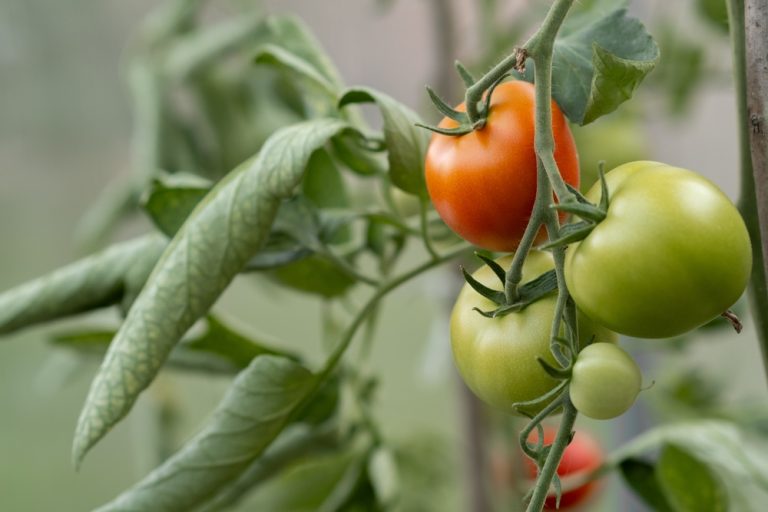
Tomato leaves that curl while keeping their healthy green color often signal a plant asking for help, not a plant giving up. The good news is that green curled leaves usually point toward stress, environmental changes, or a care issue that gardeners can often correct with a few smart adjustments. Before reaching for sprays or…
Could a Gravel Garden Cut Watering Without Looking Bare?
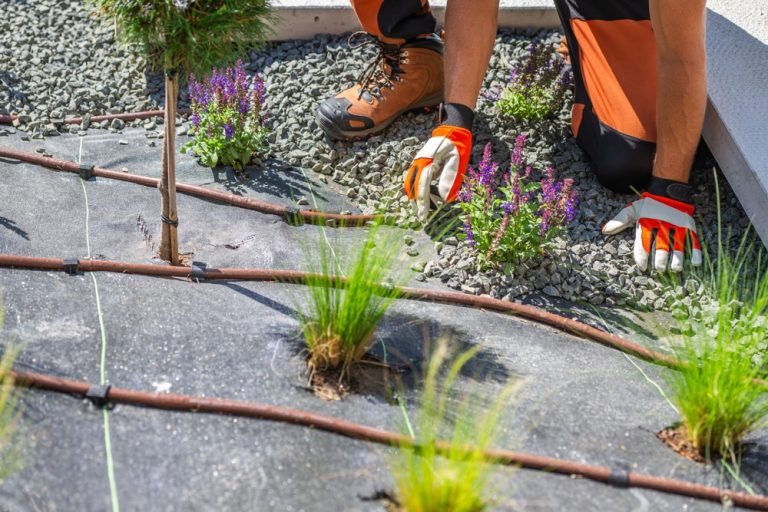
A gravel garden can reduce watering chores while turning a plain outdoor space into something full of texture, movement, and personality. Instead of a dusty patch of rocks with a lonely plant or two, a well-designed gravel garden combines stones, drought-tolerant plants, and thoughtful placement to create a landscape that feels intentional. The trick comes…
5 Crops That Recover Quickly After a Hailstorm
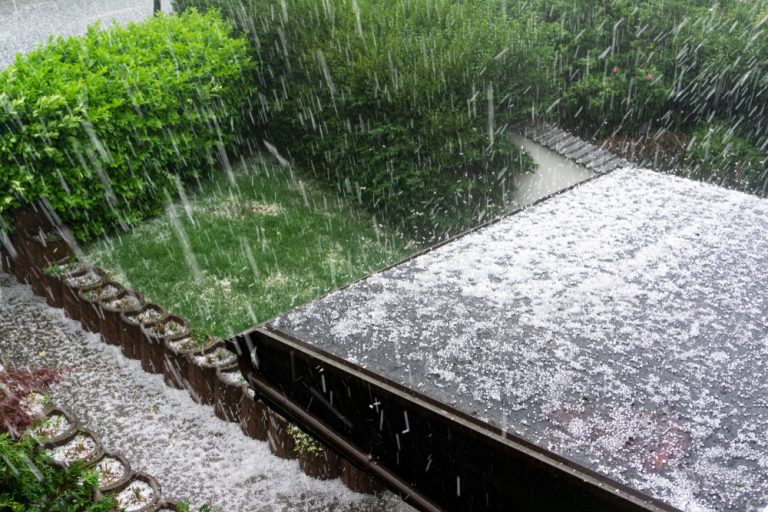
A hailstorm can turn a promising garden into a patchwork of torn leaves and broken stems in just a few minutes. Luckily, some crops have a remarkable ability to recover, and knowing which plants can bounce back helps gardeners save time, money, and plenty of fresh produce. The secret comes down to plant structure, growth…
Why Are Gardeners Moving Houseplants Outdoors for the Summer?

The moment warm weather settles in, a quiet migration begins. Spider plants, pothos, rubber trees, peace lilies, and dozens of other favorite houseplants leave windowsills and living rooms for porches, patios, balconies, and shady garden corners. That seasonal move may seem like a gardening trend, but it actually gives many indoor plants a chance to…
8 Ways to Keep Hanging Baskets From Drying Out by Noon
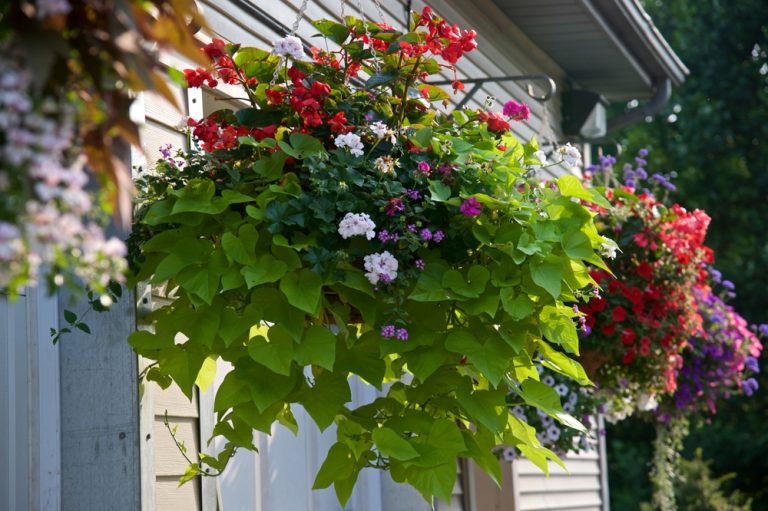
Hanging baskets can turn into tiny desert islands by lunchtime, especially during hot summer days when roots sit above the ground and lose moisture quickly. These floating gardens need a little extra attention, but a few smart changes can keep flowers looking fresh from morning coffee to evening porch time. The secret does not involve…
7 Heat-Safe Garden Chores Worth Doing Before Breakfast
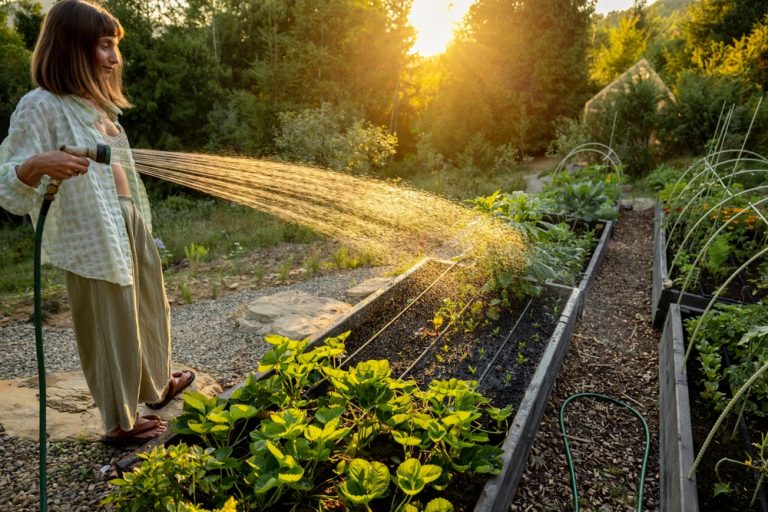
The coolest part of the day offers the biggest opportunity for gardeners. A few well-timed tasks before breakfast can protect plants from scorching afternoon temperatures while keeping gardening safer and far more enjoyable. Summer gardens never seem to hit the pause button. Tomatoes ripen overnight, weeds appear as if they received an invitation, and thirsty…
Why Grass Clippings Can Carry Herbicide Into Vegetable Beds
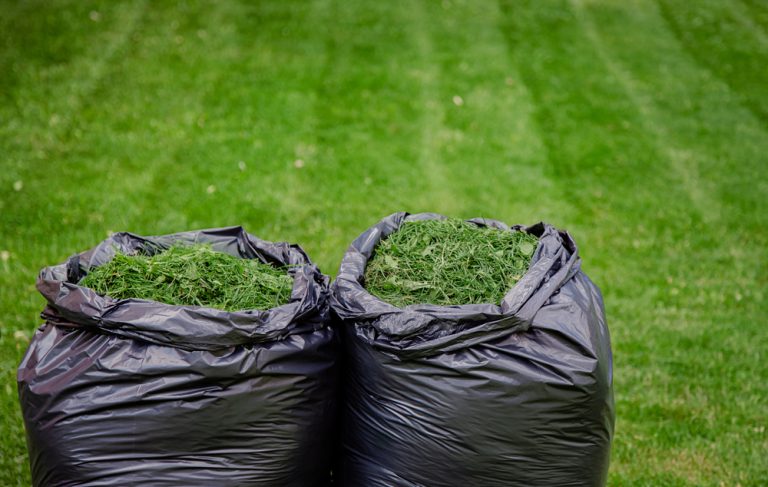
Fresh grass clippings look like free garden gold. They hold moisture, break down quickly, and seem like the perfect mulch for tomatoes, peppers, beans, and squash. That bargain can turn into an expensive mistake when those clippings contain herbicide residue. Many gardeners discover the problem only after vegetables twist, curl, stop growing, or produce strange-looking…
The Cheap Mulch Materials That Can Damage Plants or Soil
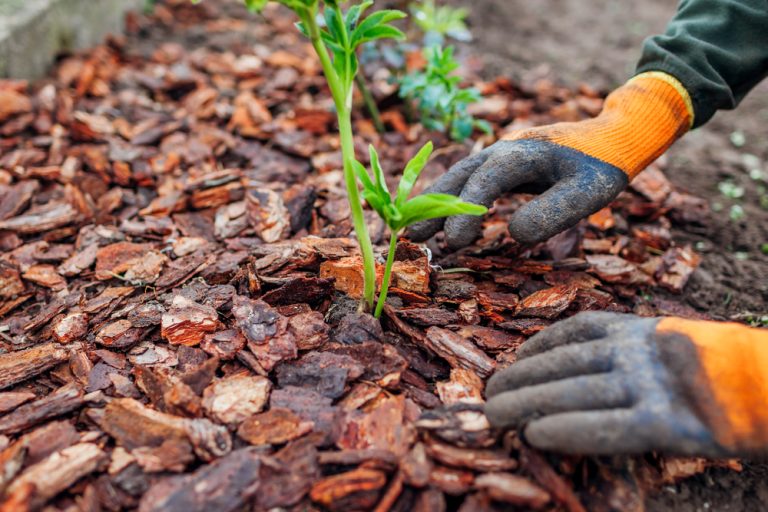
Cheap mulch often looks like a smart way to stretch a gardening budget, but the lowest-priced option sometimes carries the highest hidden cost. Some materials rob soil of nutrients, spread pests, introduce weeds, or even release compounds that stress young plants. Saving a few dollars at the garden center means very little if flower beds…
How to Tell If You’re Watering Deeply Enough
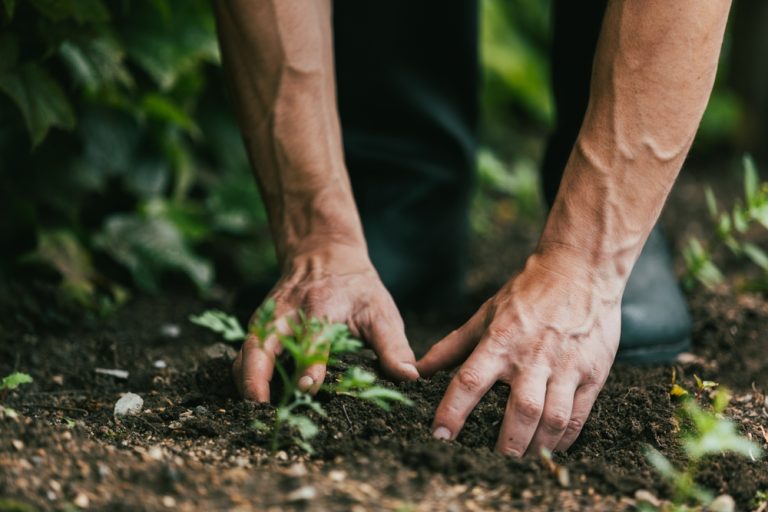
A quick sprinkle may make the soil look wet, but appearances fool plenty of gardeners. Plants need moisture well below the surface, where most of their roots search for water, nutrients, and stability. Deep watering encourages stronger root systems that handle hot afternoons and dry spells far better than plants that rely on frequent shallow…
Can Tabletop Tomatoes Produce Enough Fruit to Be Worth the Space?
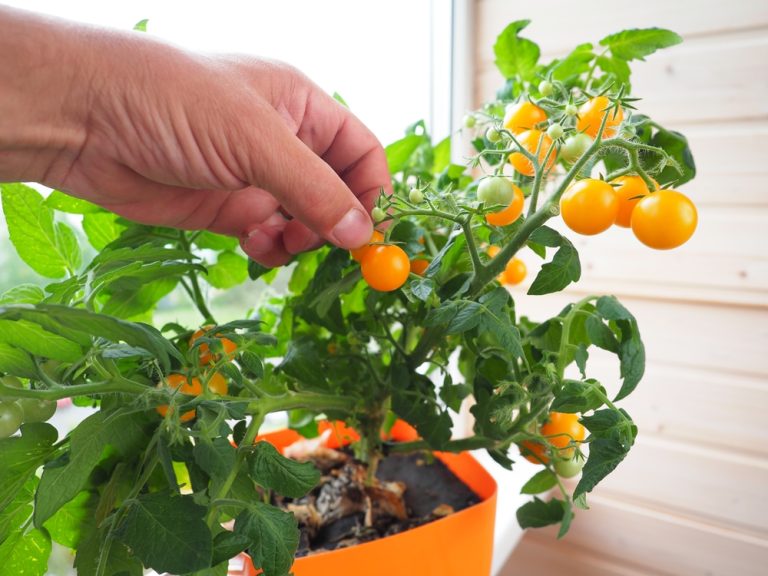
Tiny tomato plants sitting on a patio table look charming, but can they actually fill a salad bowl? The answer surprises many gardeners because the right tabletop tomato can produce a steady stream of flavorful fruit over an entire growing season when it receives proper care. That does not mean every miniature tomato deserves precious…