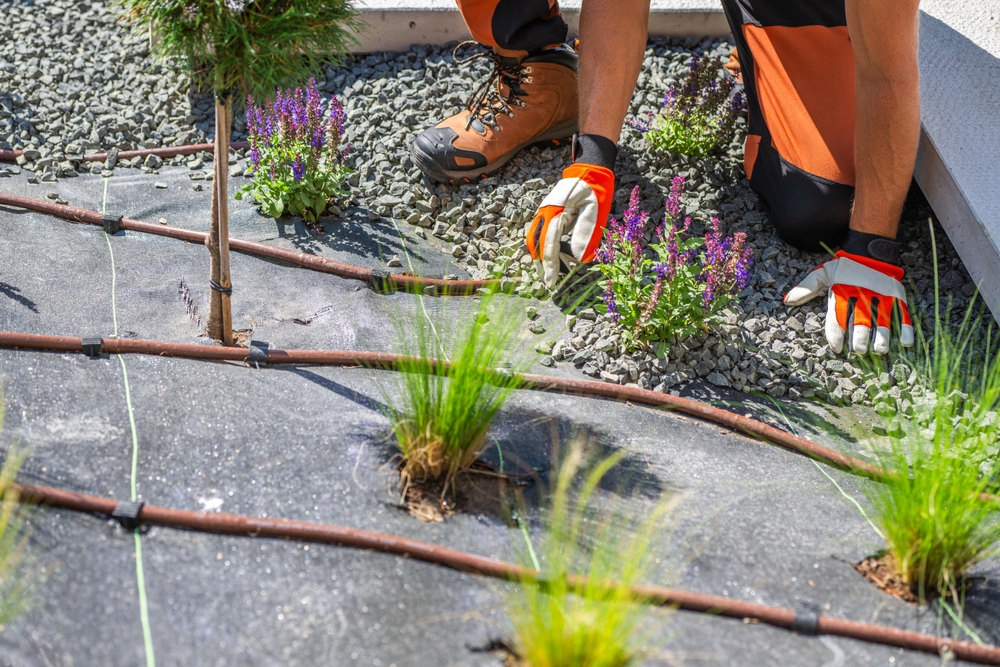
A gravel garden can reduce watering chores while turning a plain outdoor space into something full of texture, movement, and personality. Instead of a dusty patch of rocks with a lonely plant or two, a well-designed gravel garden combines stones, drought-tolerant plants, and thoughtful placement to create a landscape that feels intentional.
The trick comes from treating gravel as a design tool, not a replacement for every living thing. A successful gravel garden uses the right plants, the right soil preparation, and a little creativity to create a yard that looks lively while using less water. Think of it as giving the garden a new outfit, not sending it away on vacation.
Gravel Gardens Can Save Water
Gravel gardens work because they change how a landscape handles moisture. Traditional lawns often demand frequent watering because grass grows densely and loses water quickly through evaporation. Gravel does not need irrigation, and it can help slow moisture loss when gardeners place it around suitable plants and prepare the soil correctly.
The magic happens when gravel shares the stage with plants instead of taking over the entire yard. Ornamental grasses, lavender, sedum, thyme, yarrow, and many native plants can handle dry conditions once they establish strong root systems. A gardener who swaps a struggling lawn strip for a gravel planting bed often discovers fewer weeds, fewer mowing chores, and more time to enjoy the space.
A gravel garden also adds visual interest during seasons when many traditional beds look tired. Different gravel colors, stone sizes, and plant shapes create layers that catch the eye. Smooth river rocks can create a calm appearance, while crushed stone gives a more natural, rugged feel.
Choosing the Right Gravel Matters More than Most Gardeners Expect
Gravel comes in many forms, and each option creates a different personality in the yard. Pea gravel offers a soft appearance and works well for pathways or sitting areas, while crushed stone locks together more firmly for planting beds. Gardeners should avoid using random leftover construction gravel because sharp edges, inconsistent sizes, or unwanted materials can create maintenance headaches.
A good gravel garden also starts below the surface. Removing weeds, improving drainage, and adding landscape fabric in certain situations can reduce future battles with unwanted plants. However, fabric does not solve every weed problem, and some gardeners prefer to skip it because roots from nearby plants may struggle to spread through the barrier.
One common mistake involves spreading gravel directly over poor soil and expecting a beautiful result. Plants still need healthy soil conditions, even in a low-water landscape. Mixing compost into planting areas before adding gravel gives roots a better foundation and helps selected plants settle into their new home.
Plants Bring a Gravel Garden to Life
The best gravel gardens combine hard surfaces with plants that offer different heights and textures. Tall grasses can add movement when breezes roll through the yard, while low-growing ground covers can spread between stones and soften the landscape. Flowering plants add color without turning the garden into a high-maintenance project.
Gardeners should also consider sunlight, drainage, and climate before choosing plants. A sunny area with fast-draining soil may suit Mediterranean-style plants such as rosemary, lavender, and sage. A shadier location may require different choices, including woodland natives that handle less intense light.
Maintenance still matters, even though gravel gardens need less attention than many traditional landscapes. Occasional watering helps new plants establish roots, and gardeners may need to remove fallen leaves or refresh gravel areas over time. The goal involves reducing work, not eliminating every garden task.
A Gravel Garden Can Become a Water-Saving Centerpiece
Many homeowners hesitate because they picture a gravel garden as a dry, lifeless space. That image usually comes from poor planning rather than the concept itself. A carefully designed gravel landscape can include flowers, pollinators, interesting shapes, and year-round structure while using fewer resources.
A simple approach can start with a small section of the yard instead of a complete makeover. Replacing a difficult-to-water corner with gravel, native plants, and decorative stones allows gardeners to test the idea before expanding. Even a small gravel bed near a walkway can create a noticeable change.
The most successful gravel gardens feel connected to the surrounding property. A modern home may pair well with clean lines and uniform stone, while a cottage-style yard may benefit from softer curves and mixed textures. Gravel does not create the personality of the garden by itself. It gives plants and design choices a stage where they can shine.
The Stone-and-Plant Combination That Changes Outdoor Spaces
Gravel gardens prove that water-wise landscaping does not need to look boring. They offer a practical way to reduce watering while creating a yard with character, texture, and seasonal interest. The best results come from combining the right gravel, healthy soil, and plants suited for the growing conditions.
A few bags of stone will not magically fix every landscape challenge, but a thoughtful gravel garden can solve many common problems. It can replace struggling turf, reduce maintenance, and create a space that feels carefully designed rather than neglected. The secret sits in balance because stone alone creates a desert feeling, while stone paired with the right plants creates a garden.
Would a gravel garden fit your yard’s style, or would you miss the look of a traditional lawn? Share your thoughts and experiences in the comments.
You May Also Like…
Roundup Isn’t Glyphosate Anymore: New Formulas Can Leave Residue and Kill Nearby Plants
The Cheapest Way to Start a Community Garden Plot
Why Your Garden Is Growing Leaves But No Fruit
The July Balcony Garden Problem: Too Much Sun, Too Much Wind, and Bolting Lettuce
How to Start a Community Garden Without Wasting Money on the Wrong Setup

Brandon Marcus is a staff writer for FrugalGardening.com at District Media, Inc., where he delivers practical gardening advice with a relatable, no-nonsense style. An avid amateur gardener, he holds a BA degree and with over ten years of professional writing experience, he is also an award-winning published author whose first book, Questions For Deep Thinkers, was released by Adams Media. His work has appeared in major publications including Fandom.com, CHUD.com, TheColdWire.com, and Fansided.com.
Leave a Reply