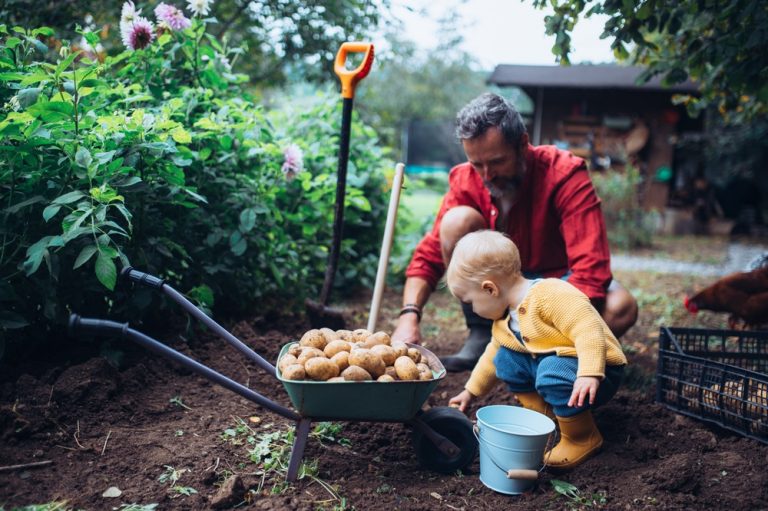
Gardeners can store potatoes from this year’s harvest and plant them next season, but that does not make every potato in the harvest a good seed potato. The temptation makes perfect sense: a basket of beautiful homegrown tubers sits on the counter, and suddenly the grocery-store seed potato purchase looks completely unnecessary. The catch involves…
vegetable gardening
8 Crops That Can Be Harvested Well Into Chilly Weather
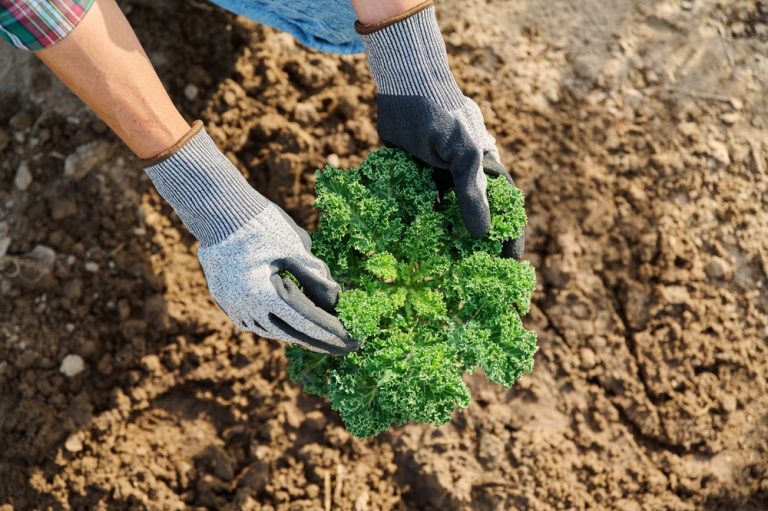
Summer does not get the final word in the vegetable garden. Several crops actually prefer the cooler conditions of fall, allowing gardeners to keep snipping, pulling, digging, and harvesting long after heat-loving tomatoes and peppers have called it a season. This involves choosing crops that tolerate cold and timing them so they reach useful size…
Why Are Your Leeks Thinner Than Pencils?
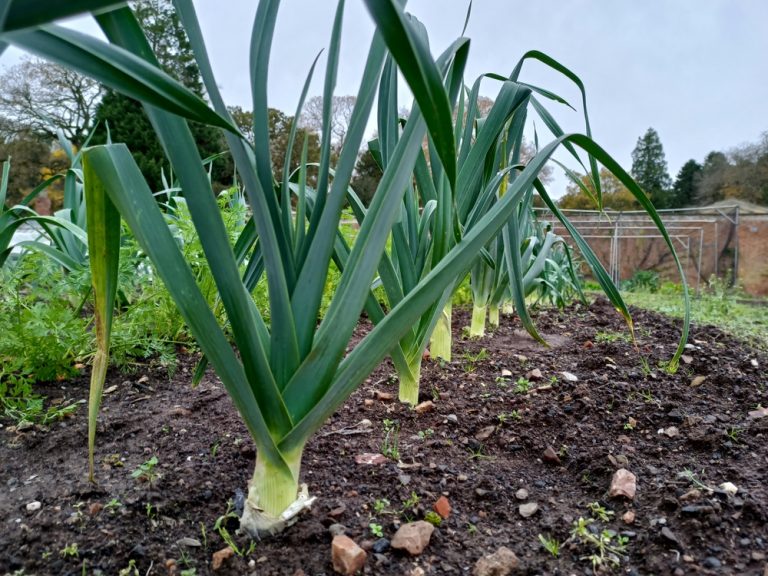
When leeks come out of the garden looking more like green drinking straws than sturdy vegetables, something has gone sideways. Those skinny stalks usually point to a growing problem involving timing, spacing, moisture, sunlight, soil, or some combination of the usual suspects. Thin leeks rarely require some mysterious gardener-only trick involving moon phases and a…
Can You Grow Mâche Where Summer Lettuce Failed?
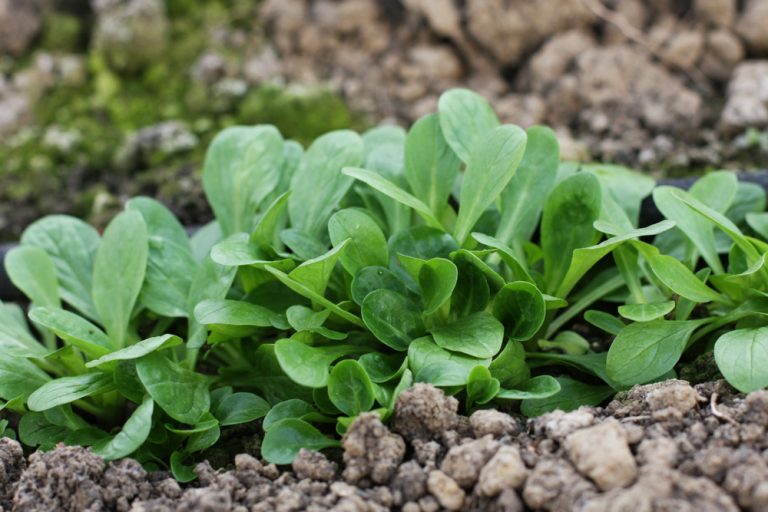
Summer lettuce can be a bit of a drama queen. Give it too much heat, let the soil dry out, or ask it to keep producing when the thermometer starts climbing, and suddenly that promising patch of crisp green leaves turns into a bitter, bolting mess. Mâche, also called corn salad or lamb’s lettuce, offers…
Why Do Some Pumpkins Turn Orange Long Before Harvest?
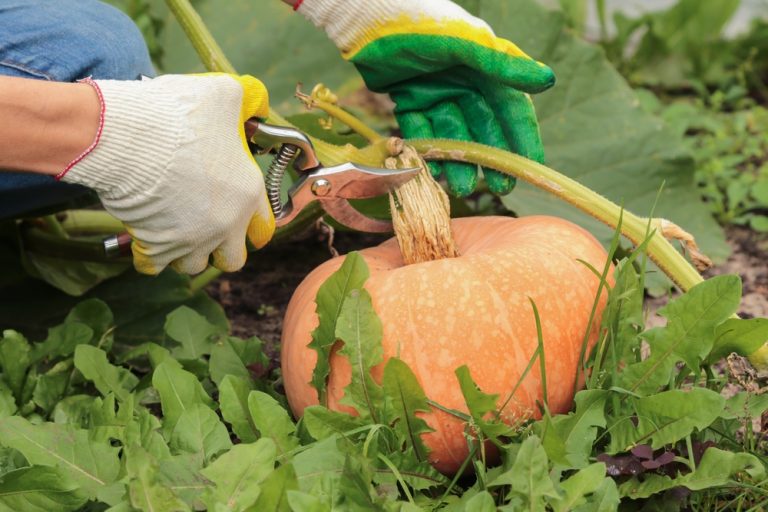
A pumpkin can flash its Halloween-ready orange weeks before the calendar says it should, leaving gardeners with one very reasonable question: Is that pumpkin actually ripe, or is it simply showing off? Color plays an important role in pumpkin maturity, but orange skin alone does not mean the fruit has finished developing. Pumpkins change color…
What Is Making Your Celery Taste Strong and Stringy?
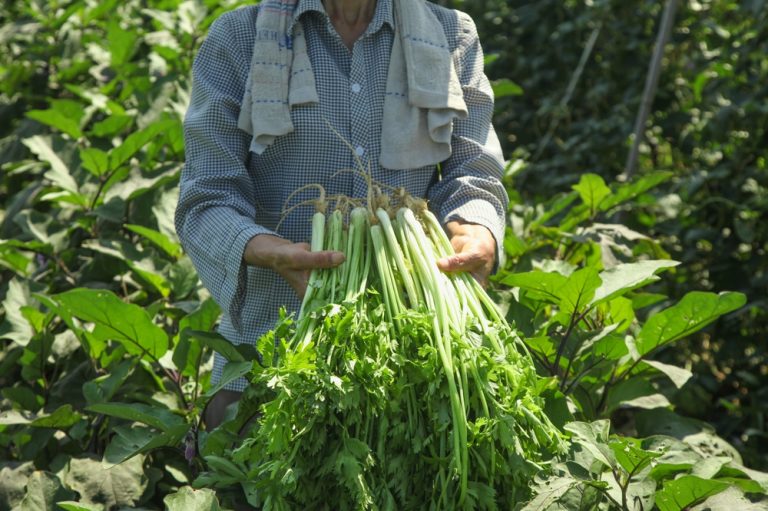
Celery should deliver crisp crunch and a clean, fresh flavor, not the experience of chewing on green fishing line. When garden-grown celery turns tough, stringy, bitter, or unusually strong, growing conditions usually deserve some suspicion, particularly moisture and heat. That matters because celery can look perfectly healthy above the soil while quietly struggling around its…
Should You Remove Lower Leaves From Brussels Sprouts?
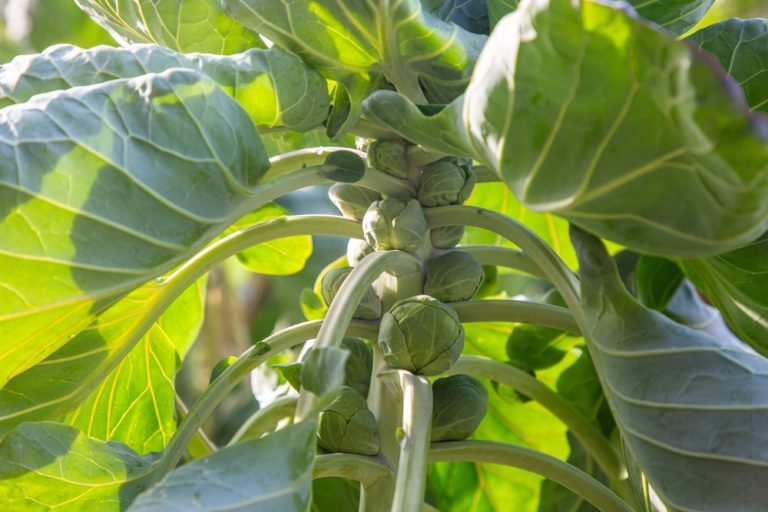
Brussels sprouts grow in a wonderfully odd fashion, with little cabbage-like buds tucked into the leaf axils along a tall central stalk. The lower sprouts mature first while newer ones develop higher up, which makes leaf removal more nuanced than grabbing pruning shears and giving the plant a haircut. A few well-timed cuts can make…
What Can You Do With Empty Grow Bags After Summer Crops Finish?
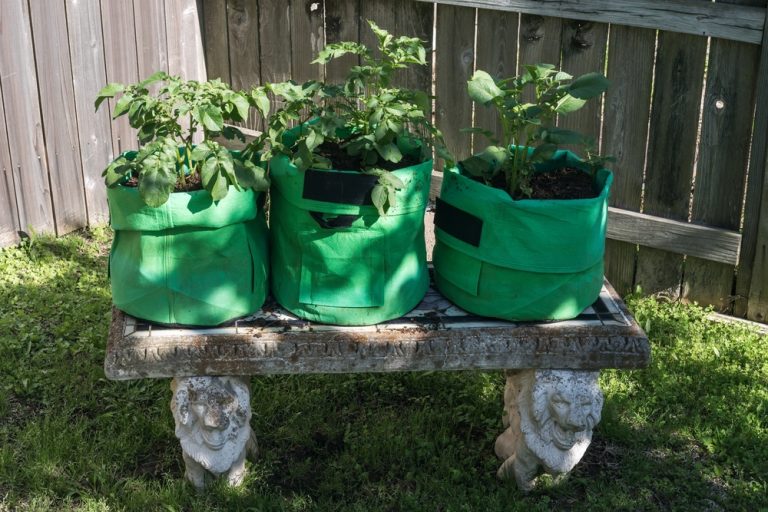
When summer tomatoes, peppers, cucumbers, and potatoes finish their garden careers, those floppy grow bags often end up looking like sad little gardening pancakes. Before tossing them into the trash, take a closer look because a quality grow bag can serve the garden for several more seasons, provided you clean it, inspect it, and store…
Should You Cover Freshly Sown Seeds With Burlap?
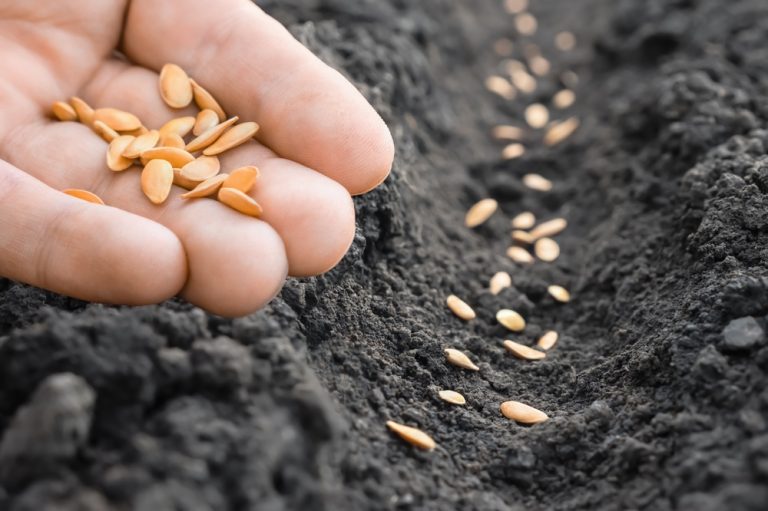
Freshly sown seeds have a surprisingly difficult job. They need moisture, good contact with the soil, and protection from the kind of downpour that can turn a carefully prepared seedbed into a tiny muddy landslide. A loose piece of burlap can help with all three, making it a useful trick when the weather, soil, or…
5 Garden Crops That Can Double as Attractive Border Plants
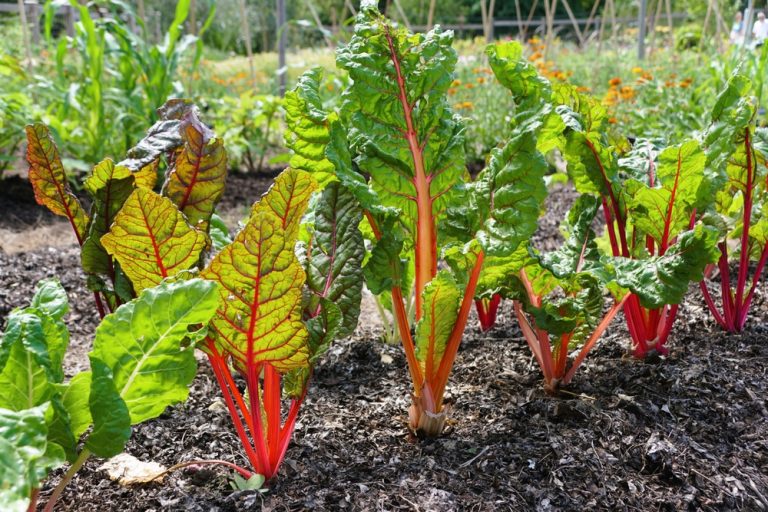
A garden border does not have to choose between looking good and putting food on the table. Several edible crops bring enough color, texture, shape, or sheer personality to work beautifully along paths, flower beds, patios, and other highly visible spots. That makes edible landscaping a particularly clever trick for gardeners who want every inch…