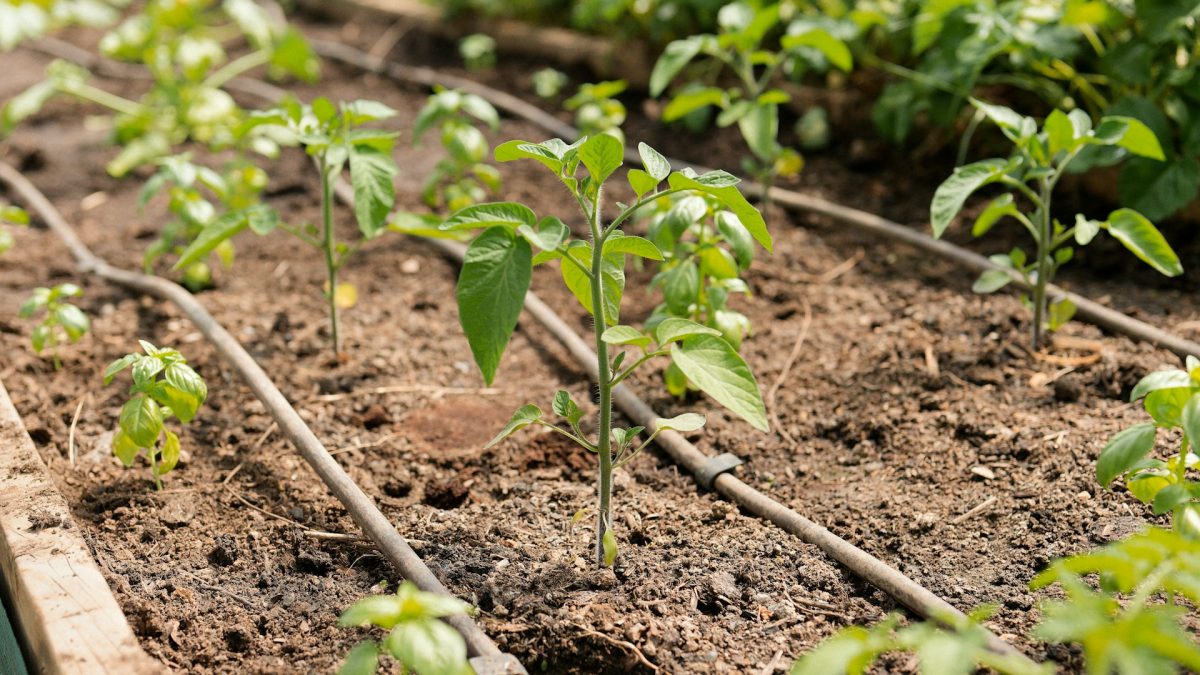
Air doesn’t just move through a garden—it shapes it, protects it, and quietly decides which plants thrive and which struggle. Dense gardens often look lush and productive at first glance, but tight spacing can trap moisture, invite pests, and create hidden stress points for plants. Many gardeners focus heavily on soil quality and sunlight while overlooking the constant movement of air between stems and leaves. That invisible circulation often separates a productive garden from one that constantly battles disease and decline.
Airflow works like a natural defense system in outdoor spaces. It helps leaves dry faster after rain, reduces fungal growth, and strengthens plant structure through gentle movement. When air stagnates, humidity builds up, and that creates the perfect environment for mildew, rot, and insect infestations. A well-designed garden does not rely on luck—it uses spacing, structure, and flow to keep plants healthier without extra effort.
Why Airflow Matters in Tight Garden Spaces
Airflow directly impacts how quickly moisture evaporates from leaves, soil surfaces, and plant clusters. Dense plantings trap humidity, and that trapped moisture encourages fungal diseases like powdery mildew and blight. Many gardeners notice plants suddenly decline after a rainy stretch, and poor air circulation often drives that decline. Air movement also strengthens plant stems by encouraging subtle natural motion that improves resilience.
Airflow also plays a major role in temperature control within the garden. Crowded areas tend to stay hotter during the day and hold heat longer at night, which stresses plants and slows growth. Good airflow balances those temperatures and creates a more stable microclimate. Strong circulation also helps pollinators move more efficiently through crops, which improves fruit and vegetable production.
How Poor Airflow Invites Disease and Pests
Stagnant air creates a humid pocket around leaves that encourages spores to settle and multiply quickly. Fungal pathogens thrive in still, damp environments where leaves stay wet for extended periods. Once disease takes hold in a crowded section, it spreads rapidly because leaves sit in constant contact with each other. Gardeners often mistake these outbreaks for random bad luck, but airflow usually sits at the root of the problem.
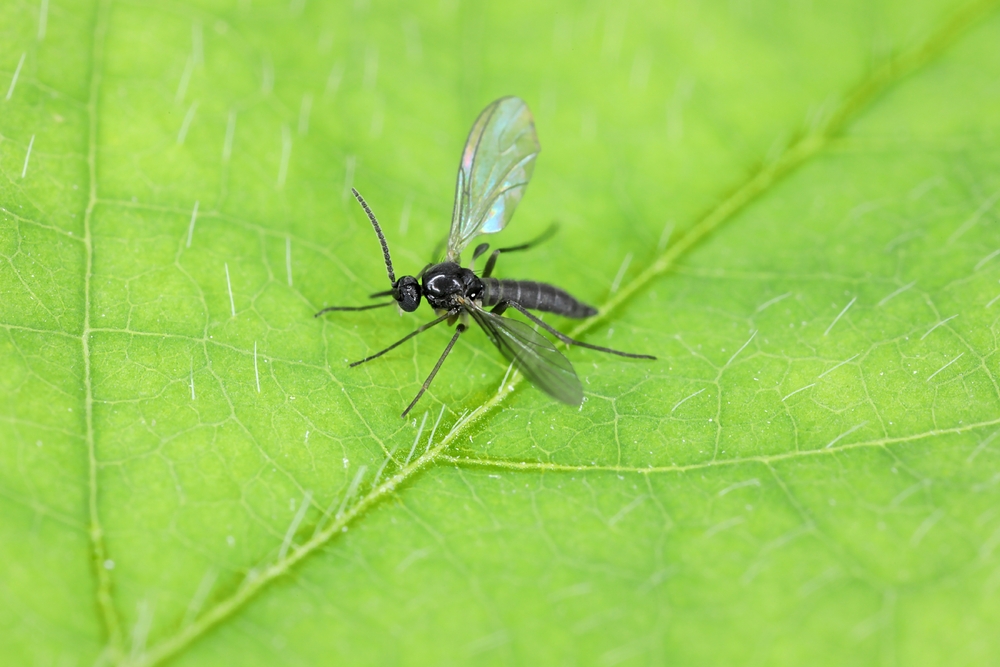
Pests also take advantage of poor circulation because dense foliage provides them with cover and shelter. Aphids, spider mites, and whiteflies often cluster in areas where air barely moves. These insects reproduce faster in warm, still environments where predators struggle to reach them. Improving airflow disrupts their habitat and reduces the chance of infestations taking over entire sections of a garden.
Smart Plant Spacing That Changes Everything
Plant spacing determines how freely air moves through every layer of the garden. Crowding plants too closely creates competition for light, nutrients, and airflow, which weakens overall growth. Proper spacing allows each plant to develop a full canopy without choking its neighbors. This simple adjustment often produces healthier plants without adding any extra fertilizer or treatment.
Gardeners who stagger rows or use triangular spacing often see stronger airflow compared to straight, rigid planting lines. That pattern allows wind to weave through gaps rather than crash into solid walls of foliage. Taller plants placed strategically can also guide airflow downward and across lower crops. Thoughtful spacing turns a packed garden into a living, breathing system that supports itself naturally.
Garden Design Tricks That Boost Air Movement
Raised beds help improve airflow by lifting plants above stagnant ground-level humidity. That elevation allows wind to circulate more freely around stems and leaves. Gardeners who design beds with wide walking paths also increase airflow between sections, which reduces disease spread. Even small changes in layout can dramatically shift how air behaves across the entire space.
Vertical gardening structures like trellises and cages also improve airflow by training plants upward instead of outward. That vertical growth keeps foliage off the ground and reduces crowding at soil level. Strategic pruning further enhances circulation by removing excess growth that blocks air channels. These design choices create an open structure that supports healthier plants without sacrificing yield.
Seasonal Airflow Challenges That Demand Attention
Seasonal changes constantly reshape how air moves through a garden. Spring growth often creates sudden density that blocks airflow faster than gardeners expect. Summer heat amplifies humidity issues, especially in regions with frequent rainfall or irrigation. Fall brings its own challenges as mature plants reach peak size and crowd each other.
Gardeners who adjust spacing, prune regularly, and thin overcrowded areas prevent these seasonal problems from escalating. Wind direction also shifts throughout the year, which means garden layouts need occasional tweaks to maintain proper circulation. Simple seasonal maintenance keeps airflow consistent and protects plants from stress cycles that weaken them over time. Strong airflow management creates a garden that adapts instead of collapsing under seasonal pressure.
The Real Secret Behind a Healthier, More Productive Garden
Airflow quietly determines whether a dense garden thrives or struggles through disease, pests, and stress. Smart spacing, intentional design, and seasonal adjustments all work together to keep air moving where plants need it most. Many gardeners chase complex solutions while overlooking this simple, powerful factor that shapes everything above the soil. Strong airflow builds resilience, boosts productivity, and reduces the need for constant intervention.
What airflow challenges show up most often in your garden, and how do they get handled effectively?
You May Also Like…
7 Companion Pairings That Boost Growth Naturally
The Early Heat Stress Problem in Young Gardens
5 Proven Gardening Shortcuts That Save Time
9 Seed Spacing Mistakes That Kill Crops Before They Mature
Why Your Hairbrush Holds the Secret to Better Soil Nitrogen

Brandon Marcus is a staff writer for FrugalGardening.com at District Media, Inc., where he delivers practical gardening advice with a relatable, no-nonsense style. An avid amateur gardener, he holds a BA degree and with over ten years of professional writing experience, he is also an award-winning published author whose first book, Questions For Deep Thinkers, was released by Adams Media. His work has appeared in major publications including Fandom.com, CHUD.com, TheColdWire.com, and Fansided.com.
Leave a Reply