Cool nights can sneak in fast across many parts of the United States, especially when summer starts fading into fall or spring refuses to fully commit. Many gardens struggle during these temperature swings, but certain plants actually come alive when the air turns crisp. These tough growers bring color, flavor, and structure to landscapes when warmer-weather plants start fading out. Gardeners who plan ahead often keep beds productive longer by choosing varieties that laugh off chilly evenings. The right selection can turn a struggling yard into a resilient, season-spanning showcase.
Cool-night tolerant plants do more than survive; they thrive under conditions that stress more delicate species. Experienced growers notice stronger colors in leaves, tighter flower formations, and slower bolting in edible crops when temperatures dip at night. These plants also help stretch harvests and bloom cycles well beyond the typical growing window in many U.S. zones. Smart plant choices create gardens that stay lively when others start shutting down for the season. That advantage makes cool-weather gardening one of the most rewarding strategies for home growers.
1. Kale: The Cold-Loving Supergreen That Sweetens With Frost
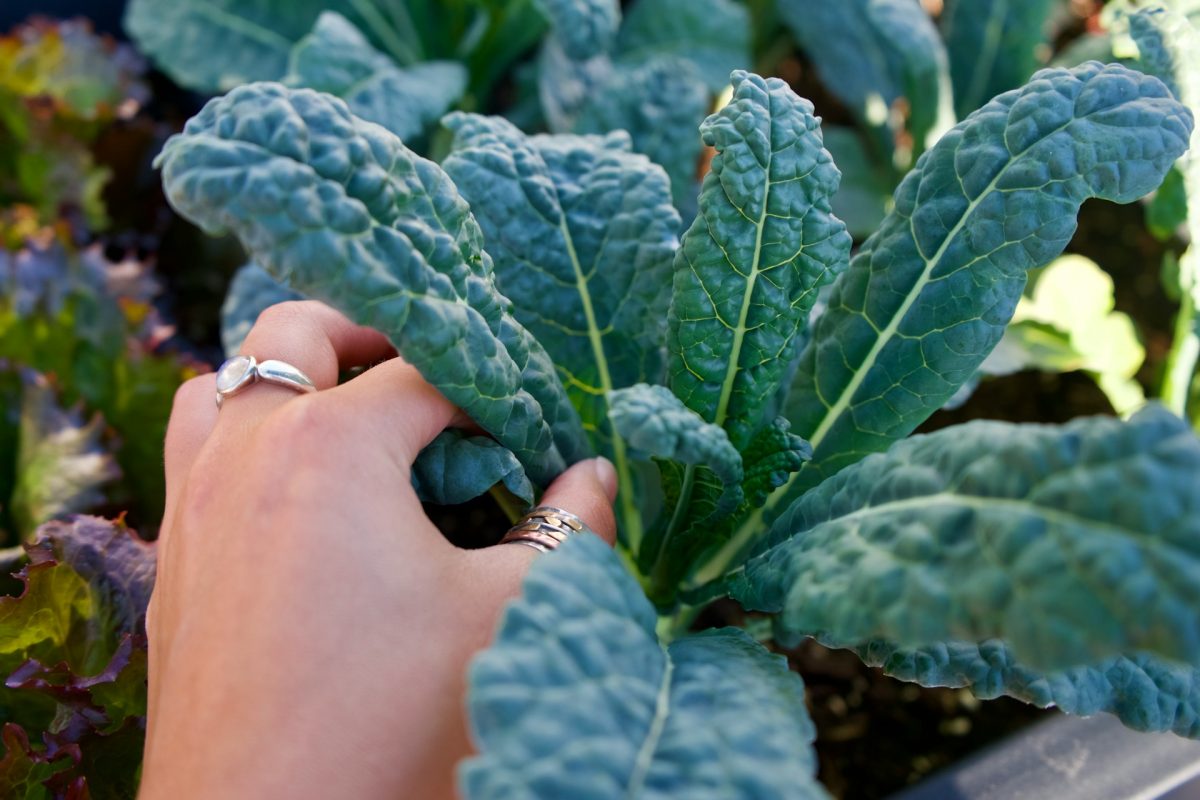
Kale handles dropping temperatures better than almost any leafy green in the garden. Cold nights in USDA zones 3 through 9 actually improve its flavor by reducing bitterness and increasing natural sugars. Gardeners often harvest kale well after the first light frosts without losing texture or color. This plant continues producing even when many summer crops completely shut down. Its sturdy leaves stand up to wind, cold snaps, and short daylight hours with impressive resilience.
Many home growers plant kale in late summer for fall and early winter harvests. The plant adapts quickly to cooler soil and maintains steady leaf production with minimal care. Regular picking encourages new growth and extends the harvest window significantly. Garden beds benefit from its ability to stay productive when other vegetables fade out. Kale proves that cold weather does not have to end the edible season.
2. Pansies: Colorful Blooms That Laugh at Chilly Nights
Pansies bring bright faces to gardens when temperatures start to dip. These flowers tolerate light freezes and continue blooming in many cooler regions across the United States. Gardeners value them for their ability to survive unpredictable spring and fall weather. Their wide range of colors adds instant charm to containers, borders, and flower beds. Few annuals deliver this much visual payoff during cold snaps.
Cool nights actually help pansies hold their blooms longer and maintain rich color saturation. Experienced growers often use them to bridge seasonal gaps between summer and winter plantings. They thrive in well-drained soil and prefer consistent moisture without heat stress. Their compact size makes them ideal for filling empty garden spaces quickly. Pansies deliver dependable color when most other flowers struggle.
3. Snapdragons: Upright Spikes That Stand Tall in the Cold
Snapdragons bring vertical interest to gardens that face cooling nighttime temperatures. These flowers tolerate light frost and continue blooming in many mild U.S. climates well into fall. Their tall spikes create strong visual structure even when surrounding plants begin to fade. Gardeners appreciate their ability to keep landscapes looking active during transitional seasons. Snapdragons often perform best when daytime warmth pairs with cool nights.
Cool conditions help snapdragons produce sturdier stems and longer-lasting blooms. Regular deadheading encourages continuous flowering through the season. Many gardeners use them in cutting gardens because they hold up well in vases. They prefer full sun but still manage strong performance in cooler climates. Snapdragons bring reliable height and color when gardens need both.
4. Swiss Chard: A Colorful Edible That Thrives in the Chill
Swiss chard handles cool nights with ease while adding bold color to vegetable beds. Its vibrant stems in red, yellow, and orange stand out even under gray skies. This crop continues producing through light frosts in many U.S. growing zones. Gardeners often rely on it for late-season harvests when other greens slow down. Its durability makes it a staple in extended growing plans.
Cool temperatures improve both texture and flavor, making the leaves tender and slightly sweeter. Regular harvesting keeps plants productive and prevents tough growth. Swiss chard adapts well to raised beds, containers, and in-ground gardens. It tolerates variable weather better than many leafy vegetables. This plant brings both beauty and nutrition to chilly-season gardens.
5. Ornamental Cabbage and Kale: Decorative Powerhouses for Cold Weather Beds
Ornamental cabbage and kale deliver dramatic color when temperatures drop. Their rosettes intensify in color as nights grow colder across many U.S. regions. These plants thrive in fall gardens and often last well into early winter. Gardeners use them to replace fading summer annuals with bold texture and structure. Their presence keeps landscapes visually interesting long after frost arrives.
Cold weather enhances their purple, pink, and white tones dramatically. They require little maintenance once established in well-prepared soil. Many landscapers use them in mass plantings for seasonal displays. These plants tolerate frost better than most ornamental flowers. They turn cold nights into a visual advantage rather than a setback.
6. Violas: Small Flowers With Big Cold-Weather Energy
Violas offer cheerful blooms that hold strong through chilly nights. These compact flowers tolerate frost and continue flowering in cool-season gardens across the United States. Gardeners appreciate their ability to self-seed and return in mild climates. Their small size makes them perfect for edging paths and filling containers. Violas bring color when larger blooms struggle to survive.
Cool conditions extend their blooming period and improve flower longevity. They perform best in well-drained soil with moderate watering. Many gardeners plant them alongside pansies for layered color effects. Their resilience makes them a favorite for early spring and late fall displays. Violas prove that small plants can handle big temperature swings.
7. Hellebores: Early Risers That Bloom When Cold Still Lingers
Hellebores stand out as one of the earliest bloomers in cold climates. These perennials tolerate freezing nights and often bloom while snow still lingers in some U.S. regions. Gardeners value them for their long-lasting flowers and evergreen foliage. Their nodding blooms bring subtle elegance to shaded garden areas. Hellebores offer structure when most plants remain dormant.
Cool nights support strong bloom development and extended flowering periods. Once established, these plants require very little maintenance. They thrive in partial shade and rich, well-drained soil. Many gardeners use them as anchor plants in perennial beds. Hellebores bring quiet strength to cold-season landscapes.
Cold Nights, Strong Gardens: Why These Plants Win the Season
Cool-night tolerant plants give gardens a major advantage during unpredictable temperature shifts. These varieties continue growing, blooming, or producing when many others shut down. Gardeners who choose them extend harvests, brighten landscapes, and reduce seasonal gaps in color. Each plant on this list adapts naturally to colder evenings across many U.S. climates. Smart selection turns chilly weather into a gardening ally instead of an obstacle.
What cool-weather plant has surprised your garden most with its toughness and beauty? Hop into our comments below to chat about it.
You May Also Like…
8 Heat-Tolerant Picks That Thrive as Temperatures Rise
The Best Cold-Tolerant Plants That Don’t Get Enough Attention
How to Protect Seedlings From Cold Nights Without Buying Covers
6 Resilient Picks That Handle Temperature Swings
9 Seeds You Can Plant Immediately — No Matter the Weather

Brandon Marcus is a staff writer for FrugalGardening.com at District Media, Inc., where he delivers practical gardening advice with a relatable, no-nonsense style. An avid amateur gardener, he holds a BA degree and with over ten years of professional writing experience, he is also an award-winning published author whose first book, Questions For Deep Thinkers, was released by Adams Media. His work has appeared in major publications including Fandom.com, CHUD.com, TheColdWire.com, and Fansided.com.
Leave a Reply