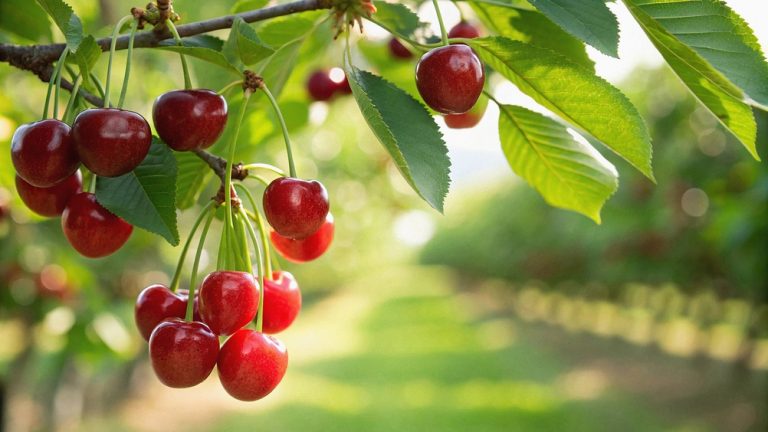
Nothing frustrates a gardener quite like spotting beautiful fruit one evening, then walking outside after a rainstorm to find it covered in ugly cracks. Tomatoes split down the sides, cherries burst open, and plums suddenly wear deep scars that invite insects and disease. A harvest that looked picture-perfect can change overnight. Fruit rarely splits for…
vegetable gardening
What Should You Do When Beans Stop Flowering in High Heat?
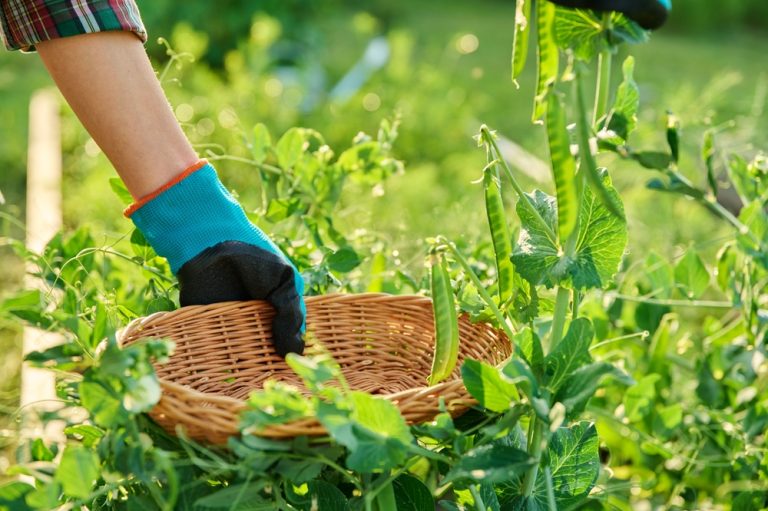
Green bean plants can look perfectly healthy one week, then suddenly decide that flowers have become an unnecessary luxury. In high heat, bean plants often stop producing new blossoms, drop existing flowers, or produce flowers that never develop into pods. The good news: this usually does not mean the plants have given up on the…
5 Ways to Prevent Sunscald on Peppers and Eggplants
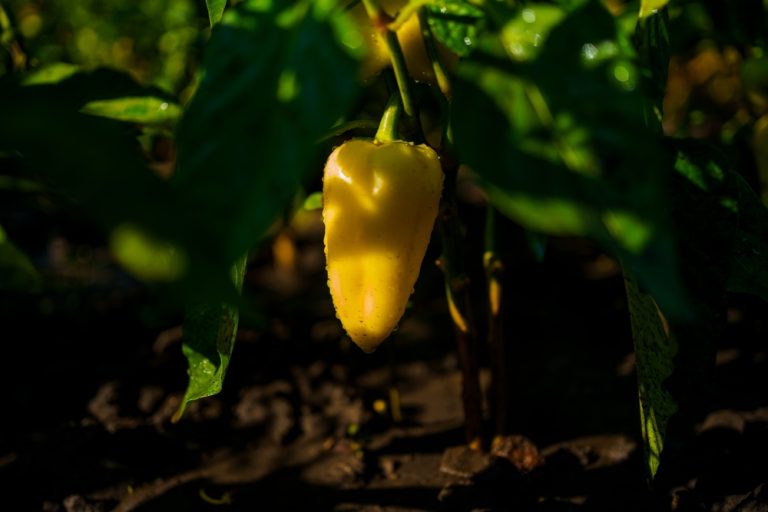
Sunscald can turn beautiful peppers and eggplants into vegetables with pale, leathery, damaged patches, and the problem often starts with something that seems like good news: plenty of sunshine. Both crops need sunlight to produce well, but fruit that suddenly loses leaf cover can take a direct hit from intense afternoon rays. The right solution…
8 Cheap Materials for Building Temporary Plant Supports
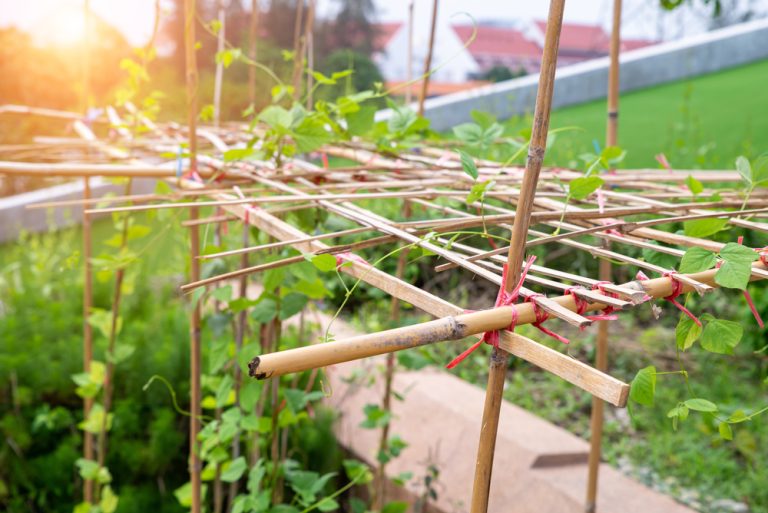
A garden does not need a trip to the garden center every time a tomato flops sideways or a young pepper plant starts leaning like it has had a very long day. Temporary plant supports can come from surprisingly ordinary materials, and many of the best options already sit in a garage, shed, recycling bin,…
Crops to Sow in July for Cooler-Weather Harvests
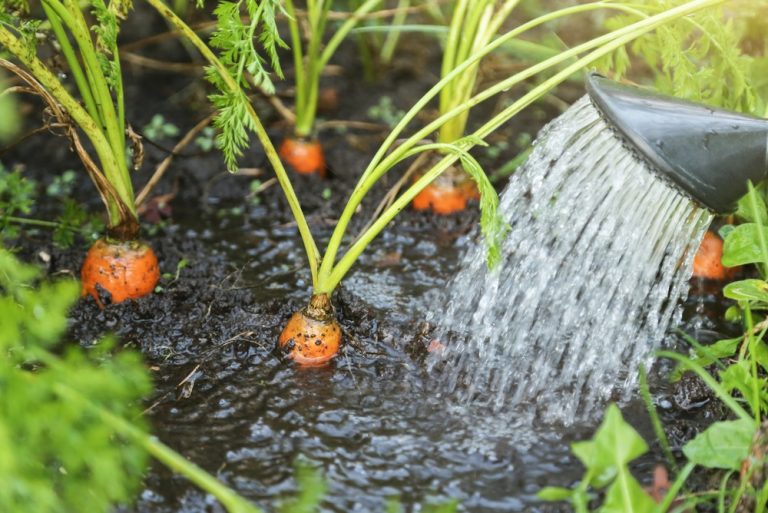
July can make a vegetable garden feel like it has entered a survival reality show. The sun beats down, lettuce bolts overnight, and tender greens sometimes look personally offended by the afternoon heat. Yet July also offers a golden opportunity: sow the right crops now, and the garden can deliver crisp, sweet, cool-weather harvests just…
What Is Making Your Zucchini Fruit Shrivel Before Growing?
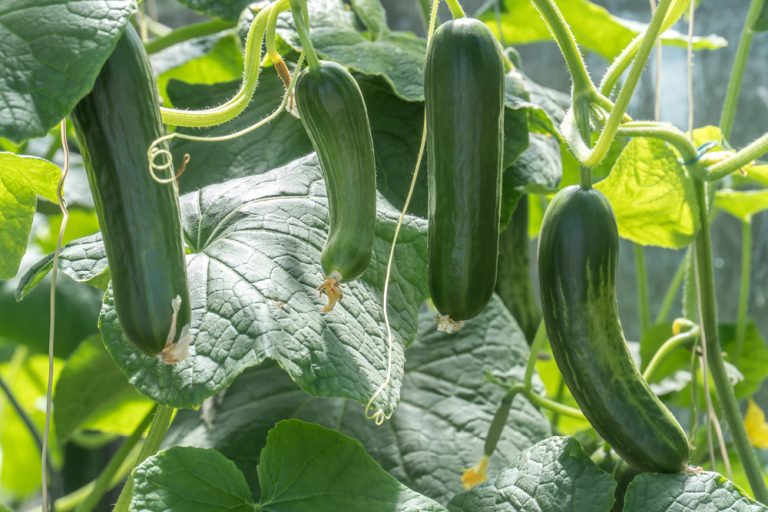
Zucchini fruit that shrivels before it grows usually points to a problem with pollination, water, pests, or plant stress. The tiny squash may look promising one day, then turn yellow, wrinkle, and drop off before it reaches anything close to harvest size. That frustrating little zucchini failure can make a gardener question everything from the…
5 Ways to Turn a Bare Fence Into a Productive Growing Space
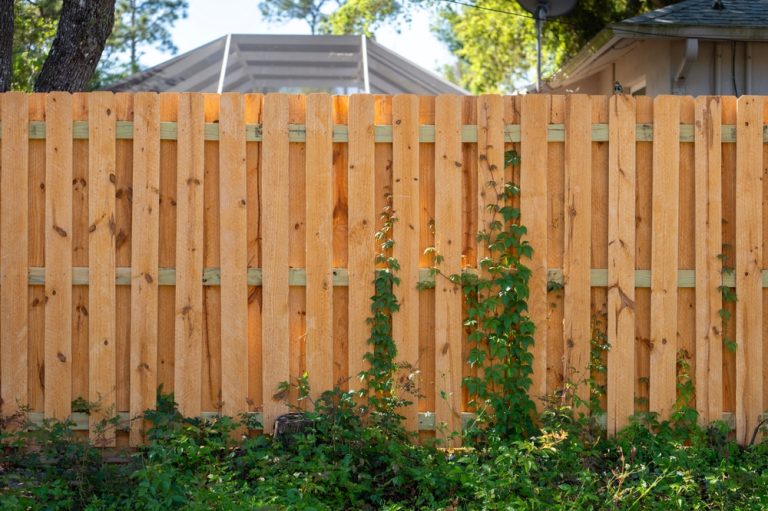
A bare fence does more than sit there looking like a giant wooden shrug. With the right plants, containers, supports, and a little planning, that unused vertical space can produce herbs, vegetables, berries, flowers, and even a surprising amount of food. The trick involves matching the growing method to the fence and the plants instead…
6 Ways to Protect Seedlings From Sudden Downpours
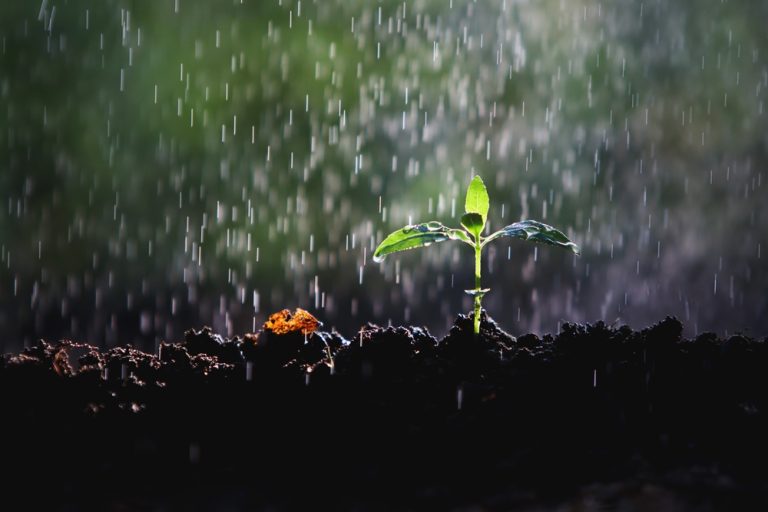
A sudden downpour can turn a promising batch of seedlings into a soggy mess in minutes, especially when young plants still have tiny roots and delicate stems. A little rain can help seedlings, but a hard storm can wash away soil, flatten plants, expose roots, and leave containers holding far more water than those tender…
Why Do Tomatoes Develop Yellow Shoulders Near the Stem?
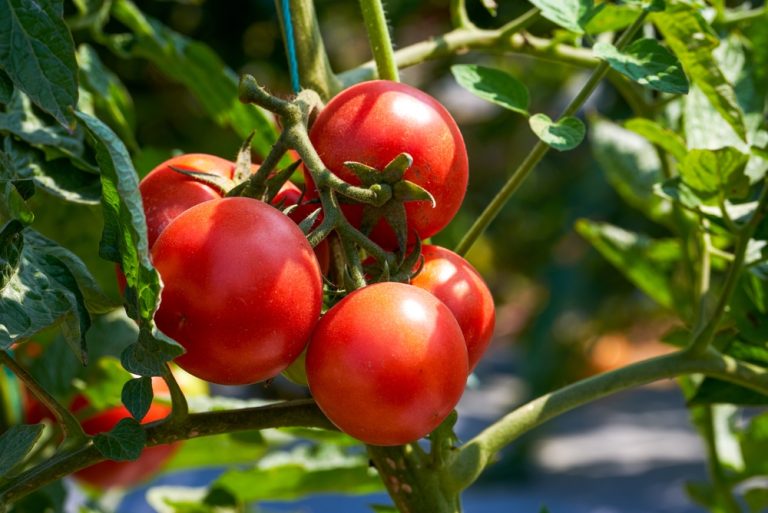
A tomato can look perfectly ripe everywhere except the area closest to the stem, where a stubborn patch of yellow, green, or pale orange refuses to join the red party. Those discolored areas, known as yellow shoulders, usually point to a ripening problem caused by intense heat and strong sunlight, not a mysterious disease stalking…
5 Vegetables That Can Handle a Shadier Summer Corner
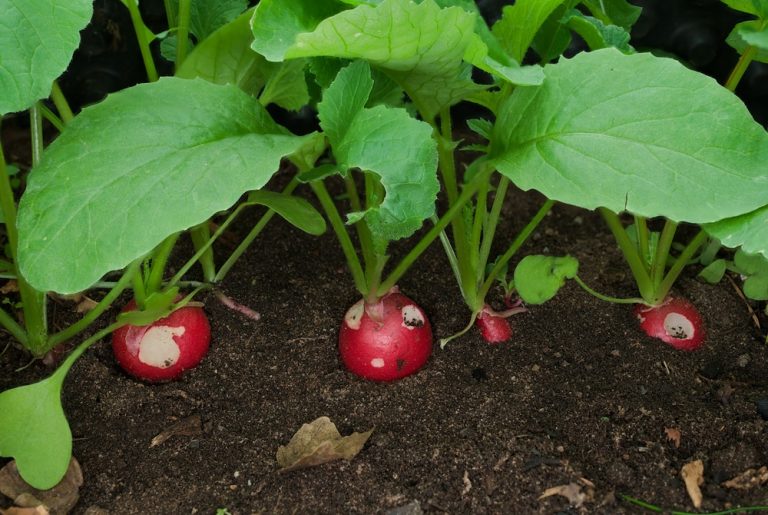
Summer sunlight can turn a vegetable garden into a full-blown solar oven, but not every corner of the yard gets the deluxe sunshine package. Maybe a fence blocks the afternoon rays, a mature tree throws shade across one bed, or a narrow side yard gets only a few hours of direct light. That does not…