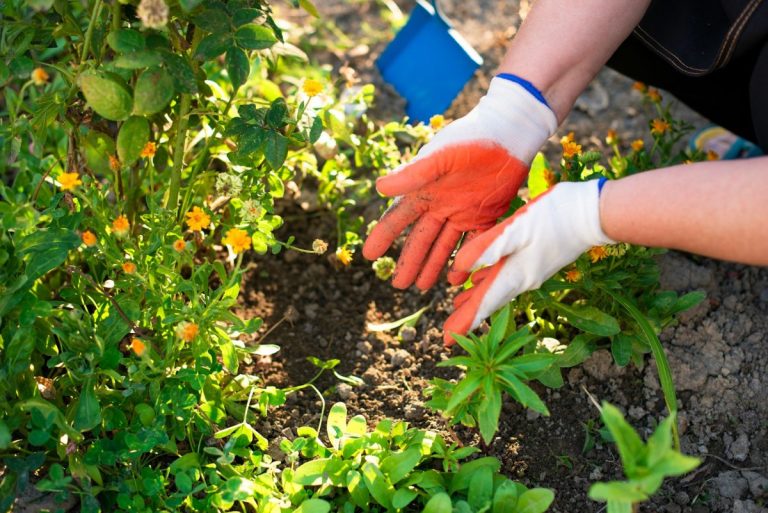
Gardens rarely fail overnight. They usually whisper their problems long before plants stop producing. Fertilizer mistakes sit at the top of that silent sabotage list, quietly shrinking harvests while leaves still look “fine” at a glance. Many gardeners push more nutrients into the soil thinking bigger feeding equals bigger yields, but plants don’t work that…
sustainable gardening
Why Soil Testing Matters More Before Summer Than Any Other Time
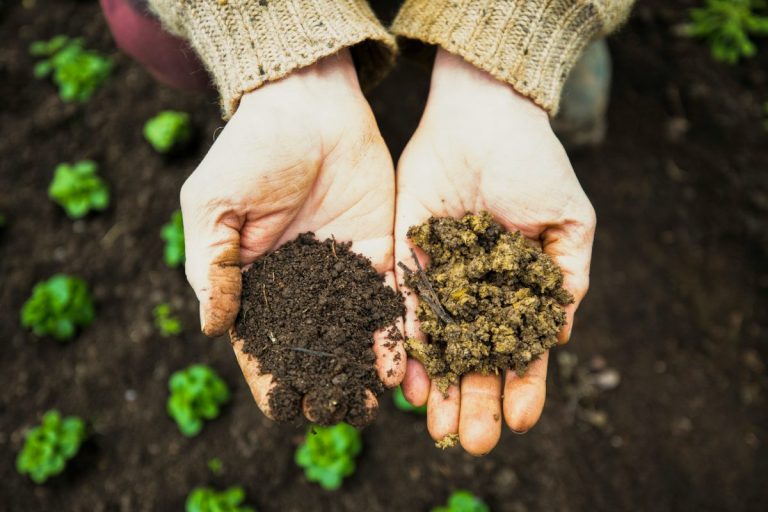
Soil testing gives gardeners a powerful head start before summer heat stresses plants and exposes weak soil conditions. Warm-weather growth demands more nutrients, and untested soil often hides imbalances that stunt vegetables, flowers, and lawns. Many gardens struggle in July not because of pests or watering mistakes, but because soil conditions never supported strong growth…
The Morning Watering Rule: Why Timing Impacts Growth More Than Quantity
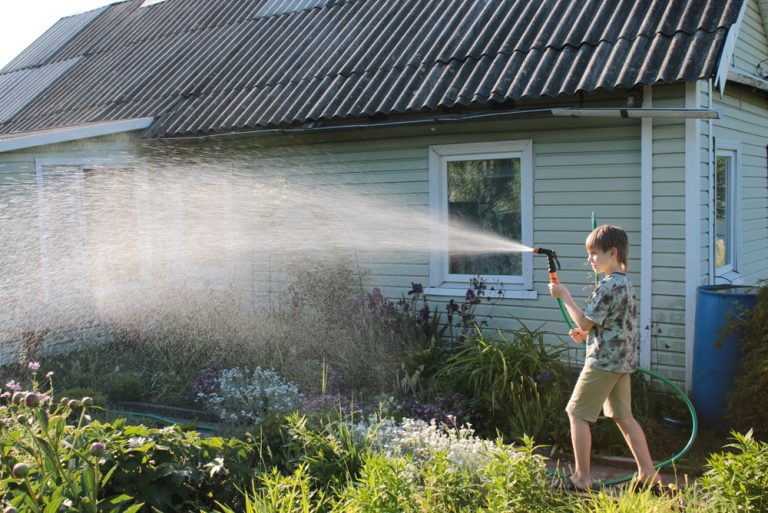
Plants don’t sip water casually; they operate on a schedule that rivals a packed morning routine. When water hits the soil early in the day, roots absorb moisture just as sunlight kicks photosynthesis into gear, which fuels growth at maximum efficiency. This timing gives plants the hydration they need right when they start working hardest,…
Why Raised Beds Warm Faster and Boost Early Growth
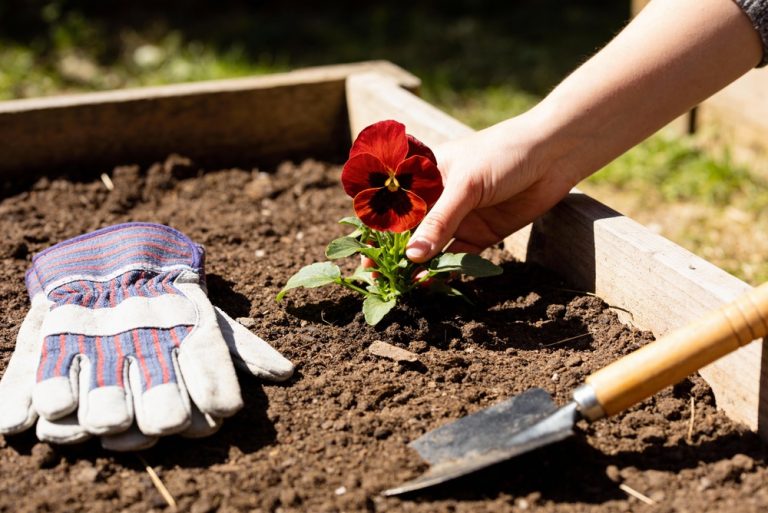
Spring doesn’t wait, and neither should a productive garden. Raised beds step in like a cheat code for gardeners eager to get seedlings thriving before the rest of the neighborhood even breaks ground. Soil warmth drives root activity, nutrient uptake, and overall plant energy, and raised beds deliver that warmth faster than traditional in-ground plots….
8 Heat-Tolerant Picks That Thrive as Temperatures Rise

Scorching days don’t have to spell disaster for a garden. While many plants wilt and wave the white flag when temperatures climb, a select group thrives in the heat and even seems to celebrate it. Choosing the right plants transforms a struggling yard into a bold, colorful space that laughs in the face of blazing…
The Overwatering Problem: Why Soggy Soil Kills More Gardens Than Drought
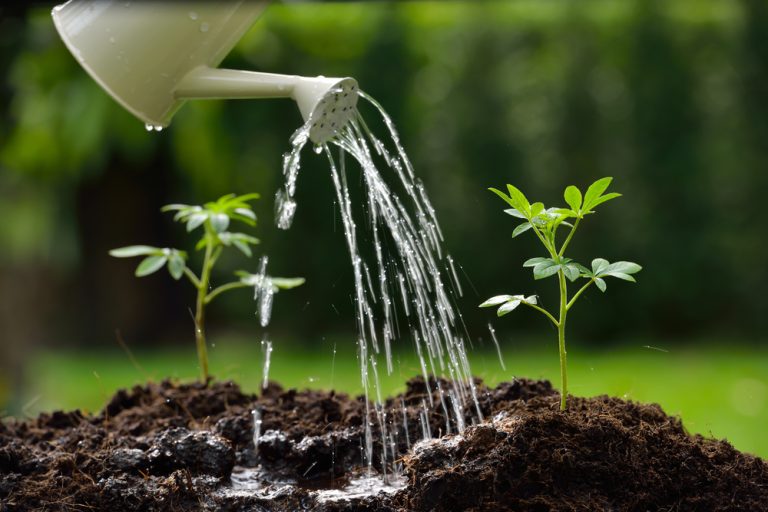
Garden soil often suffers more from kindness than neglect, especially when watering habits go unchecked. Many plants decline not from thirst but from drowning roots trapped in saturated soil that never gets a break. Waterlogged ground blocks oxygen flow, leaving roots suffocating beneath the surface even while leaves look deceptively fresh at first. Gardeners often…
The Free Compost Trick: How to Turn Yard Waste Into $100 Worth of Soil
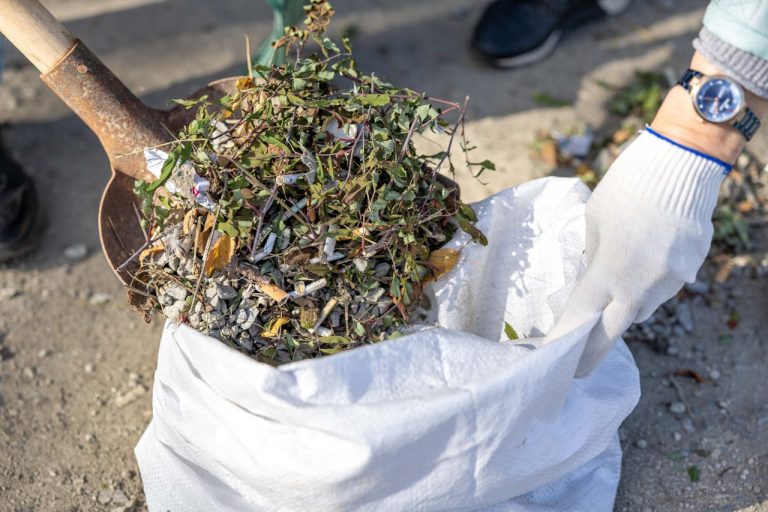
Fresh, crumbly soil that smells like a forest floor does not require a trip to the garden center or a pricey delivery fee. Yard waste sitting in bags, bins, and corners already holds the raw ingredients for rich compost that can replace store-bought soil amendments. Leaves, grass clippings, and kitchen scraps transform into nutrient-dense humus…
5 Plants That Multiply So Fast You’ll Never Need to Buy Them Again
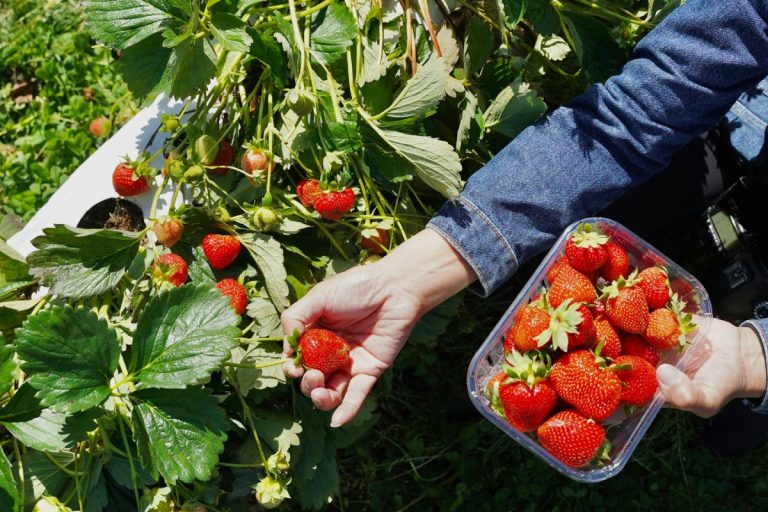
Gardens can turn into endless money pits when plants refuse to cooperate or demand constant replacement. Some plants, however, flip that script entirely and behave like enthusiastic little overachievers that keep producing more of themselves. These green powerhouses don’t just grow—they expand, spread, and multiply with almost suspicious eagerness. Once they settle into a garden,…
The Rainwater Hack: How to Cut Your Water Bill While Growing More Food

A garden can drink money as fast as it drinks water, especially during hot spells when hoses seem to run nonstop. A simple shift in how water gets collected and used can turn that constant expense into a surprisingly low-cost system that keeps plants thriving. Rainwater offers a free, steady resource that often runs right…
8 Backyard Gardening Mistakes That Quietly Waste Your Money
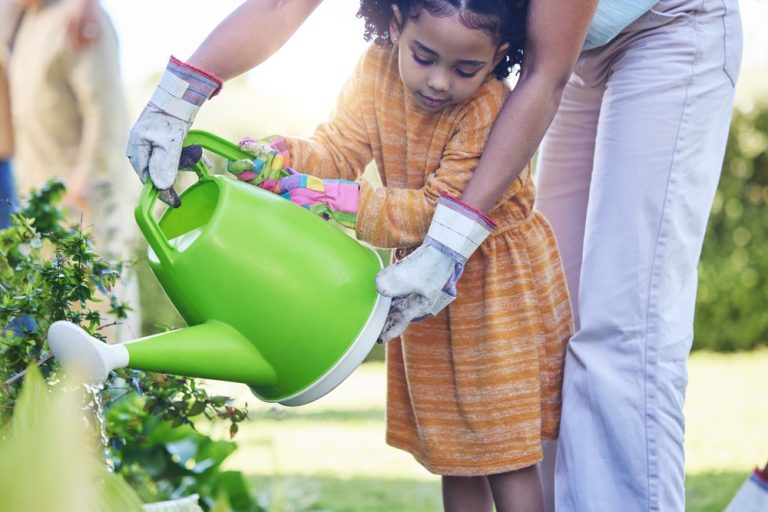
Backyards can turn into little gold mines of fresh food, color, and calm—but only when the garden runs efficiently. Too often, hidden mistakes creep in and slowly drain money through wasted water, dying plants, and unnecessary purchases. Many of these issues do not announce themselves loudly; they build quietly in the background while the garden…