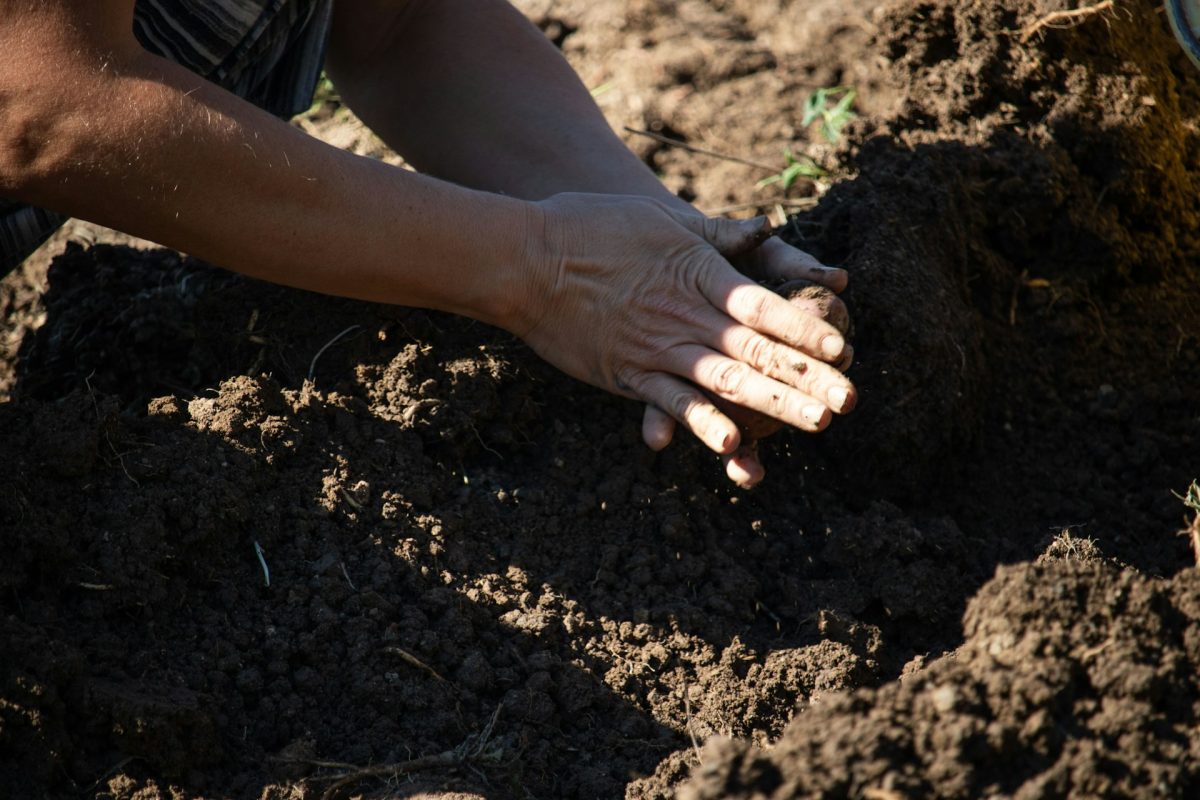
Soil is more than dirt—it’s a secret financial advisor hiding under your feet. A garden or farm may look fine from the surface, but unseen imbalances in nutrients, pH levels, or soil composition can quietly sabotage plants and drain money. Every bag of fertilizer, extra gallon of water, or unnecessary amendment is an opportunity to spend cash that might not even help. Soil testing takes the guesswork out of gardening, giving precise information about what the soil actually needs.
By investing in knowledge upfront, every subsequent purchase becomes smarter, more efficient, and far less wasteful. It may seem like a small step, but over time, the savings and healthier plants quickly prove the value of testing before blindly pouring in resources. For anyone serious about growing plants while keeping costs in check, soil testing isn’t optional—it’s a good strategy. And, soil testing can important even if you’re just growing a few plants in porch planters.
Digging Into the Numbers: Why Testing Pays Off
Every inch of soil has a story to tell. Nutrients like nitrogen, phosphorus, and potassium are critical for growth, but too much or too little can stunt plants, burn roots, or waste money on unnecessary supplements. Soil testing identifies exactly what your soil needs, allowing for targeted application of fertilizers and amendments. Instead of guessing and hoping for the best, gardeners and farmers can apply nutrients only where necessary, preventing waste and unnecessary expense.
Beyond fertilizers, soil testing also saves money on water and labor. Adjusting soil pH or texture correctly the first time prevents repeat treatments and reduces the chance of plant loss/death. Healthy soil requires less corrective action later, which means fewer trips to the store, less wasted product, and less frustration. Over time, the compounding savings become obvious: spending a small amount on testing can prevent hundreds of dollars in trial-and-error costs, while also improving yield, plant health, and garden aesthetics. The numbers always add up in favor of preparation and precision.
pH Balance: The Silent Budget Killer
Soil pH often hides as the culprit behind struggling plants and wasted resources. Even slight imbalances can make essential nutrients inaccessible, meaning fertilizers might get flushed away or ignored by plants. Testing soil pH allows for precise adjustments, using lime, sulfur, or other amendments only where necessary. Treating the entire garden blindly wastes both money and material, while targeted correction maximizes efficiency and plant uptake.
A balanced pH also reduces long-term maintenance costs. Plants grown in correctly balanced soil resist diseases better, require fewer pest treatments, and produce higher-quality fruits and vegetables. Over multiple growing seasons, small adjustments based on accurate soil tests compound into massive savings. Healthy soil means healthier plants, which means less replacement, less trial-and-error, and more productivity per dollar spent. Ignoring pH isn’t just bad science—it’s bad budgeting.
Avoiding Over-Fertilization and Waste
Over-fertilizing might seem like being thorough, but it’s one of the fastest ways to waste money and harm plants. Excess nutrients can leach into groundwater, burn roots, or encourage invasive weeds. Soil testing pinpoints exactly how much fertilizer is needed, letting every bag stretch further and work harder. By applying only what’s required, gardens stay healthy, water and labor usage drop, and unnecessary chemical buildup is avoided.
Long-term benefits go beyond finances. Over-fertilization can damage soil structure, reduce microbial diversity, and cause imbalances that require future correction. By using test results as a guide, gardeners maintain a sustainable cycle where the soil and plants remain productive year after year. Less waste today means less remediation tomorrow, and those savings accumulate quickly. Precision in fertilization isn’t just environmentally smart—it’s a financial strategy.
Planning Ahead With Seasonal Insights
Soil testing isn’t a one-time action; it’s a seasonal advantage. Testing at the right times—before planting, between seasons, or after harvest—gives actionable insights about nutrient depletion, soil compaction, and potential deficiencies. Armed with this information, gardeners can schedule amendments, crop rotation, or cover cropping with maximum efficiency.
Seasonal testing also allows for smarter budgeting. Knowing what’s needed ahead of time prevents impulse purchases and ensures that every investment—fertilizer, compost, or irrigation adjustments—is intentional. Over multiple seasons, a proactive soil testing routine prevents surprises, saves labor, and boosts both plant performance and cost-effectiveness. It turns gardening from a reactive guessing game into a data-driven operation.
Long-Term Returns: Soil as an Investment
Investing in soil testing is like investing in the future of your garden or farm. Healthy, balanced soil reduces replacement costs, boosts crop or garden yield, and improves overall productivity. It also lowers environmental costs, since less runoff and waste reach surrounding areas, maintaining sustainable growth.
Beyond financial returns, soil testing builds knowledge and confidence. Gardeners understand what each inch of soil needs, make informed decisions, and see results faster. The ability to troubleshoot problems quickly reduces frustration and prevents costly mistakes. Every test becomes a blueprint for efficiency, turning dirt into a long-term asset. Over time, the initial cost of testing is dwarfed by the savings, higher yields, and reduced labor it enables. This savings is great as the amount of land you’re gardening gets bigger.

Grounded in Savings
While there isn’t really any specific off the shelf app that can combine both gardening and financial management together, you can estimate how much you’re saving by soil testing. Effective soil testing should result in reduced expenditures on fertilizers, new seeds, water, etc. This should show in your bookkeeping. They key thing would be to exercise some cost discipline and track how much you’re spending on gardening related costs. Its is easily done using a standard budgeting app – like Rocket Money or Empower/Personal Capital. A good list of these apps is here.
How do you currently make decisions about fertilizers, soil amendments, or planting strategies? Would integrating soil testing change your approach or boost your savings? We want to hear your advice below!
You May Also Like…
Low-Cost Ways to Improve Sandy Soil
How to Fix Compacted Soil Without Renting Equipment
This Budget-Friendly Mulch Is Actually Acidifying Your Soil
Why Your Garden Hose Could Be Leaching Chemicals Into Your Soil
These 10 Garden Hacks Are Going Viral — But Experts Say Some Are Ruining Soil Health

Brandon Marcus is a staff writer for FrugalGardening.com at District Media, Inc., where he delivers practical gardening advice with a relatable, no-nonsense style. An avid amateur gardener, he holds a BA degree and with over ten years of professional writing experience, he is also an award-winning published author whose first book, Questions For Deep Thinkers, was released by Adams Media. His work has appeared in major publications including Fandom.com, CHUD.com, TheColdWire.com, and Fansided.com.
Leave a Reply