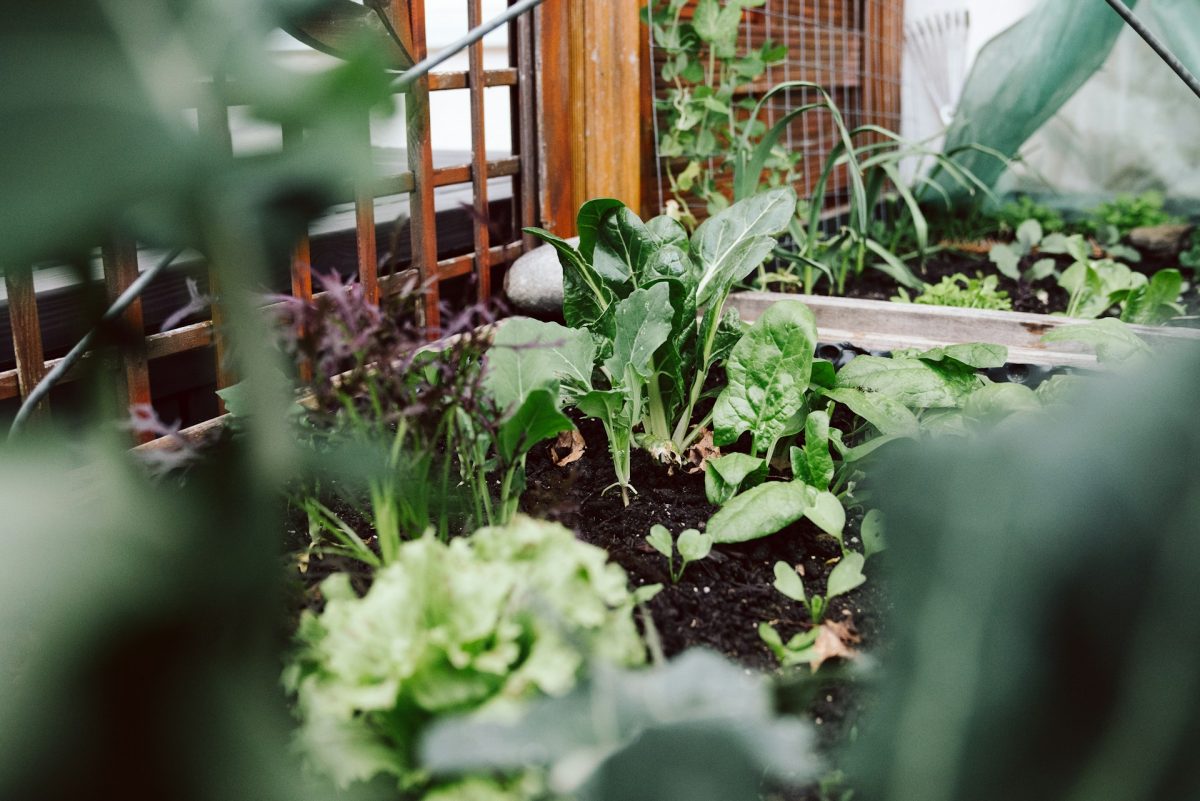
March usually rolls around with warmer days, longer sunlight, and the irresistible urge to get dirt under fingernails. It’s the month that whispers “spring is coming,” and for anyone with a patch of soil, it’s a green light to start sowing seeds. But planting without a plan can empty wallets faster than weeds overtake a neglected bed. The smart approach is choosing crops that are both resilient and affordable—vegetables, herbs, and greens that don’t require a fortune in seeds or fertilizers.
Picking the right plants for your USDA zone ensures they grow strong, avoid frost damage, and give maximum harvest bang for your buck. March planting is all about timing, strategy, and knowing which crops will reward patience with lush, edible abundance.
Cool-Weather Champions That Won’t Drain the Budget
March calls for crops that thrive in chilly soil and brisk mornings. Lettuce, spinach, and kale make excellent candidates because they tolerate lower temperatures and germinate quickly, giving a fast return on investment. These leafy greens grow densely, meaning a small packet of seeds yields plenty of harvestable leaves, perfect for salads, smoothies, or sautés. They also withstand light frosts, which still haunt many gardens in early March, making them low-risk and highly practical for tight budgets.
Peas and radishes join the cool-weather team with minimal fuss and maximum reward. Peas climb upward, requiring just a little trellis space, and produce sweet pods for weeks on end. Radishes mature in as little as three to four weeks, allowing gardeners to see near-instant results and encouraging continued enthusiasm for planting. Combining these fast-growing crops with hardy greens builds a solid, inexpensive foundation for a spring garden. By focusing on cold-tolerant, high-yielding varieties, gardeners can plant confidently and avoid costly mistakes that come from guessing at what will survive early-season weather.
Herbs That Deliver Flavor Without Cost
Fresh herbs elevate meals, but store-bought bundles burn through budgets faster than parsley wilts on a counter. March is a perfect time to start hardy herbs from seed or small starter plants. Chives, parsley, and cilantro germinate well in cooler soils, requiring minimal care while producing robust, flavorful leaves. Even a modest garden bed or container yields a continuous harvest when tended properly, transforming inexpensive seeds into months of culinary bounty.
Basil and dill, while a touch more sensitive to cold, can be started indoors or in protected zones and transplanted once frost danger passes. The return on these herbs is tremendous because they often sell at premium prices in stores, yet cost pennies per plant at home. Pairing herbs with vegetables in beds or containers optimizes space and resources, creating an efficient, productive garden. By planning with cost-effective herbs, gardeners add both flavor and financial sense to their planting strategy.
Root Vegetables: Hidden Treasures Under the Soil
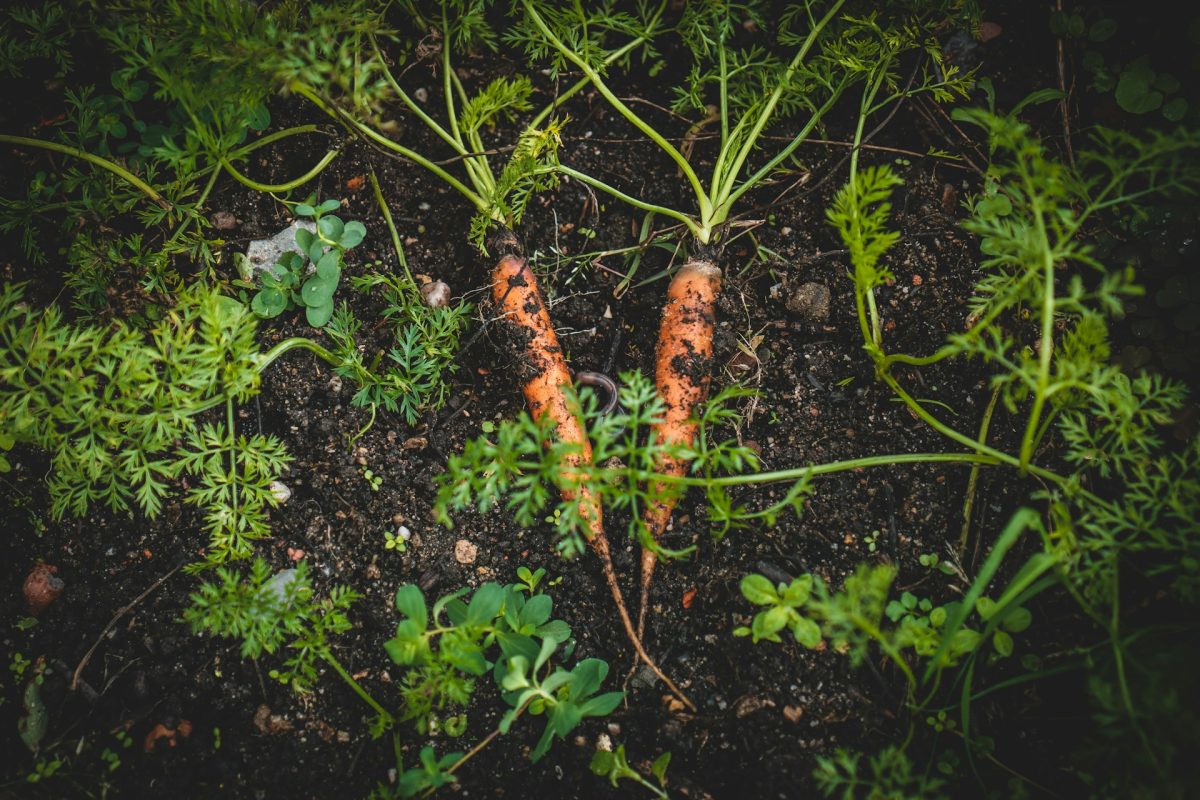
March isn’t just about greens—root vegetables offer a rewarding payoff underground. Carrots, beets, and turnips germinate well in cool soils and store easily after harvest, meaning gardeners can enjoy them weeks after planting. Carrots and beets grow slowly at first, but once established, they produce dense, nutritious yields that stretch every seed dollar further. Turnips, in particular, grow quickly and provide both greens and roots, doubling the harvest value from a single planting.
Spacing and thinning properly ensures these roots have room to flourish, maximizing yield without requiring extra seed investment. Root crops also pair well with leafy greens or herbs in succession planting schemes, keeping beds productive and reducing empty soil. Investing time in the soil now means abundant harvests later, proving that budget-friendly crops don’t have to skimp on variety, nutrition, or satisfaction.
Planning by Zone Makes All the Difference
Not all March planting is universal—climate zones dictate what thrives and what struggles. USDA zones guide gardeners in timing sowing dates, protecting tender seedlings, and maximizing germination success. Zones with milder winters may start warm-season crops like onions or early tomatoes indoors, while cooler regions stick to hardy greens and peas until frost danger passes. Understanding your zone prevents wasted seeds, discouragement, and unnecessary expenses.
Microclimates within a yard also matter. South-facing walls, raised beds, or protected garden corners can extend planting opportunities, allowing budget-friendly crops to get a jumpstart. Even small adjustments like using row covers or cold frames give seedlings a better chance to survive early March chill. By planting strategically according to both zone and microclimate, gardeners ensure that every seed sown has a strong chance of producing a bountiful, cost-effective harvest.
Tips for Stretching Every Seed Dollar
Stretching the gardening budget doesn’t stop at crop selection. Buying seeds in bulk, sharing with neighbors, or starting transplants indoors reduces upfront costs while maximizing yields. Proper soil preparation, composting, and mulching improve plant health without relying on expensive fertilizers or chemicals. Succession planting keeps beds productive, ensuring a continuous harvest rather than a single flush of crops that spoil before use.
Containers, raised beds, and even indoor windowsills allow gardeners to extend growing space without large investments in new land or infrastructure. Companion planting reduces pests and supports soil fertility, cutting costs associated with pest control or synthetic additives. Combining cost-conscious strategies with the right crop choices makes March planting a rewarding mix of fun, creativity, and practical gardening.
Spring Forward With Smart, Affordable Growth
March gardening isn’t about spending more—it’s about planting smart. Choosing crops that tolerate early spring weather, thrive in your zone, and stretch your seed dollars sets the stage for a productive season. Budget-friendly greens, herbs, and root vegetables give maximum reward for minimal expense while teaching planning, patience, and the joy of seeing food grow from seed to plate.
By planting with strategy and a little creative flair, even small gardens can yield impressive results. Timing, zone awareness, and resourceful techniques make March the perfect month to lay the groundwork for an abundant and affordable garden. Which crops will you prioritize this March to make your garden thrive without breaking the bank? Share your planting plans, tips, or successes in the comments section.
You May Also Like…
March Garden Layout Mistakes That Waste Space
What USDA Zone 7 Gardeners Should Be Doing Right Now (And What to Skip)
Are You Wasting Money on Plants That Don’t Survive Your Climate?
How To Get Free Seeds From The Government
March Watering Mistakes That Can Raise Your Bills

Brandon Marcus is a staff writer for FrugalGardening.com at District Media, Inc., where he delivers practical gardening advice with a relatable, no-nonsense style. An avid amateur gardener, he holds a BA degree and with over ten years of professional writing experience, he is also an award-winning published author whose first book, Questions For Deep Thinkers, was released by Adams Media. His work has appeared in major publications including Fandom.com, CHUD.com, TheColdWire.com, and Fansided.com.
Leave a Reply