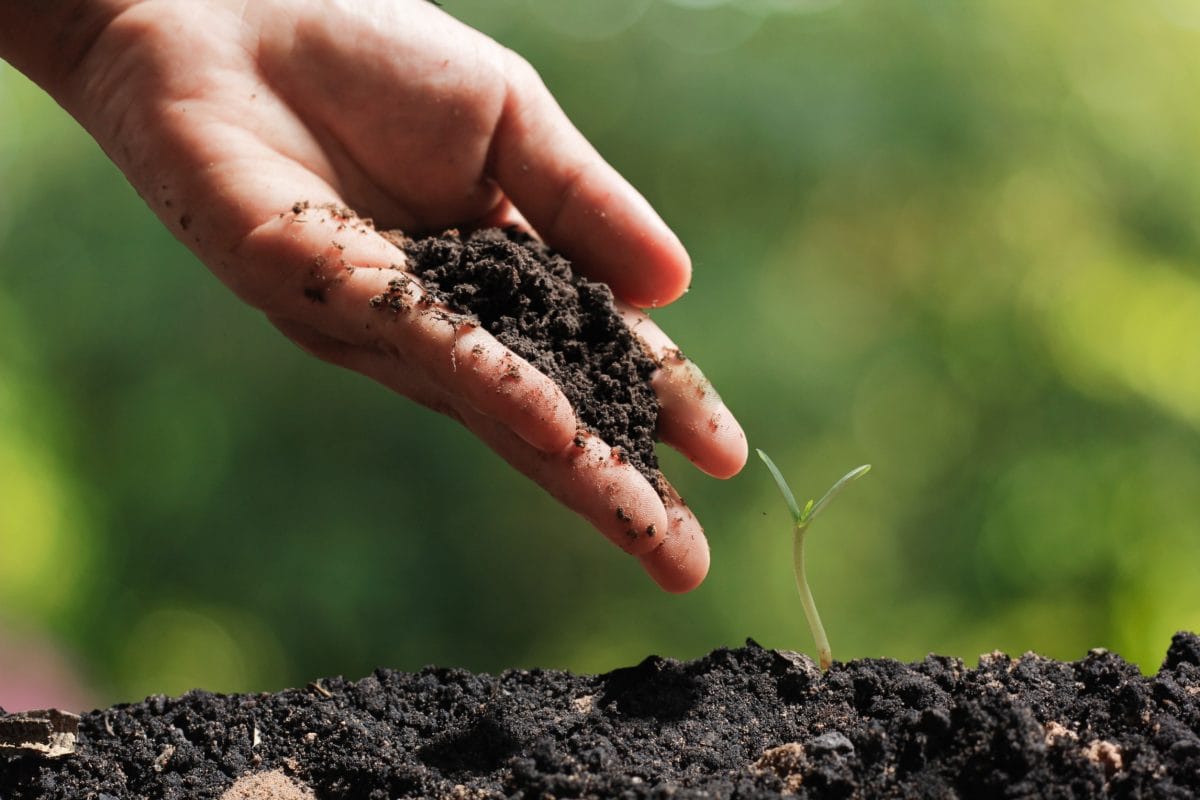
Spring arrives with bright sunshine, chirping birds, and a sudden urge to sprinkle fertilizer everywhere. It seems natural: your lawn wakes up, perennials peek through, and you think, “A little nitrogen boost will do wonders!” But sometimes, the best move is actually to put the fertilizer away and take a deep breath. Fertilizing too early can stress plants, encourage weeds, and even wash nutrients into storm drains where they do more harm than good.
Nature follows rhythms, and hitting the “fertilize now” button without understanding soil, temperature, and plant cycles can turn your garden dreams into a brown or chaotic mess. Knowing when to wait doesn’t just save plants—it saves money, effort, and a bit of your sanity while keeping your garden thriving long term.
Why Spring Fertilizing Can Backfire
Early-season fertilizer sounds like a smart idea, but the reality can bite. Lawns and plants have specific growth cycles, and many perennials and grasses remain dormant until soil temperatures consistently reach around 55 degrees Fahrenheit. Applying nitrogen-heavy fertilizer too soon forces growth before roots are ready to support it. That tender, rapid growth becomes vulnerable to frost, disease, and drought stress. Instead of lush, vibrant green, gardeners may see weak shoots that wither or attract pests that smell weakness from a mile away.
Excess fertilizer also encourages weeds to sprint ahead of your lawn. Crabgrass, dandelions, and other opportunistic plants love early nitrogen boosts just as much as your turf does. In fact, they may take advantage faster than your intended plants, leading to a battle you weren’t planning for. And then there’s the environmental angle: rain or melting snow can wash fertilizer into storm drains, contaminating rivers and lakes. Skipping or delaying spring fertilization reduces these risks while allowing your garden to naturally awaken on its own schedule.
Understanding Soil and Temperature
Soil temperature plays a starring role in nutrient uptake. Even if the air feels warm, cold soil slows root activity, making it difficult for plants to absorb fertilizer effectively. Nutrients sit in the soil rather than being used, which can burn roots or leach away into groundwater. Testing soil before fertilizing ensures timing aligns with plant readiness, giving every nutrient the chance to do its job efficiently.
Gardening calendars and local extension services offer guidelines for timing fertilizer in your area. By waiting until soil warms and grass begins active growth, gardeners increase the odds that nutrients will be absorbed fully. Slow-release fertilizers can also complement timing strategies, delivering a steady supply as plants awaken, reducing the risk of rapid, vulnerable growth. Understanding the soil, temperature, and growth stage creates a rhythm that plants can actually follow, resulting in healthier, more resilient gardens.
How to Boost Growth Without Fertilizer
Skipping spring fertilizer doesn’t mean leaving plants hungry. Mulching, composting, and organic soil amendments provide nutrients gradually and protect soil structure. Mulch retains moisture, prevents erosion, and feeds microorganisms that support plant health naturally. Compost introduces organic matter that encourages strong root systems and enhances the soil’s nutrient profile.
Watering strategically also supports growth without artificial intervention. Consistent, moderate irrigation helps soil microbes thrive, which in turn improves nutrient cycling and uptake for your plants. Planting cover crops or introducing legumes can naturally boost nitrogen levels while preventing weeds from taking over. With these methods, gardens grow strong and healthy, often outperforming those hit with early synthetic fertilizer. These strategies save money, protect the environment, and make your garden more resilient in the long run.
Recognizing Exceptions
Not every plant or lawn responds the same way. Warm-season grasses like Bermuda or zoysia, or certain spring-blooming perennials, may benefit from early nutrient boosts once soil temperatures support growth. The key is observation: look at growth patterns, measure soil, and choose fertilizers appropriate for your plant type and timing. Misjudging can stunt growth, create patchiness, or even encourage disease outbreaks.
Fertilizer isn’t a one-size-fits-all solution. Matching plant type to nutrient timing ensures each garden bed thrives without unnecessary risk. Consulting local extension offices, garden centers, or soil testing services allows gardeners to adapt strategies to their specific climates, soils, and plant choices. Exceptions exist, but careful planning ensures that applying fertilizer enhances rather than hinders growth.
Planning for Late Spring or Early Summer
Late spring or early summer often provides the perfect window for fertilization. Soil has warmed, plants have started active growth, and the risk of frost is minimal. Fertilizing now encourages deep root development, robust growth, and healthier resistance to heat and pests later in the season. By holding off in early spring, gardeners can hit the “sweet spot” for nutrient uptake and see maximum benefit from each application.
Timing also allows integration with other gardening practices. Weed control, mulching, and irrigation scheduling can align with fertilization, creating a holistic approach that reduces stress on plants and maximizes efficiency. Waiting may feel counterintuitive, but patience often yields stronger, more resilient lawns and gardens than immediate action ever could.
Growing Smart Is Better Than Growing Fast
Spring may tempt gardeners with a desire for rapid greening, but pushing plants too soon often backfires. Fertilizer timing, soil temperature, and plant cycles all play crucial roles in sustainable, healthy growth. Patience, observation, and strategic alternatives like compost or mulching create gardens that flourish without unnecessary stress or waste. The best growth is often the growth that happens on the plant’s own schedule, guided by thoughtful planning rather than impulsive fertilizing.
What strategies or experiences have helped balance fertilization timing and garden health? Share your tips, observations, or stories in the comments section and join the conversation about smarter spring gardening.
You May Also Like…
How to Turn Household Waste Into Garden Fertilizer
The Hidden Cost of War: How Fertilizer Disruptions Push Grocery Bills Higher
The Fertilizer Myth That’s Killing Lawns Across the South
The Fertilizer Combo Experts Say You Should Never Mix
Why Your Houseplants Need a “Vacation” from Fertilizer Right Now

Brandon Marcus is a staff writer for FrugalGardening.com at District Media, Inc., where he delivers practical gardening advice with a relatable, no-nonsense style. An avid amateur gardener, he holds a BA degree and with over ten years of professional writing experience, he is also an award-winning published author whose first book, Questions For Deep Thinkers, was released by Adams Media. His work has appeared in major publications including Fandom.com, CHUD.com, TheColdWire.com, and Fansided.com.
Leave a Reply