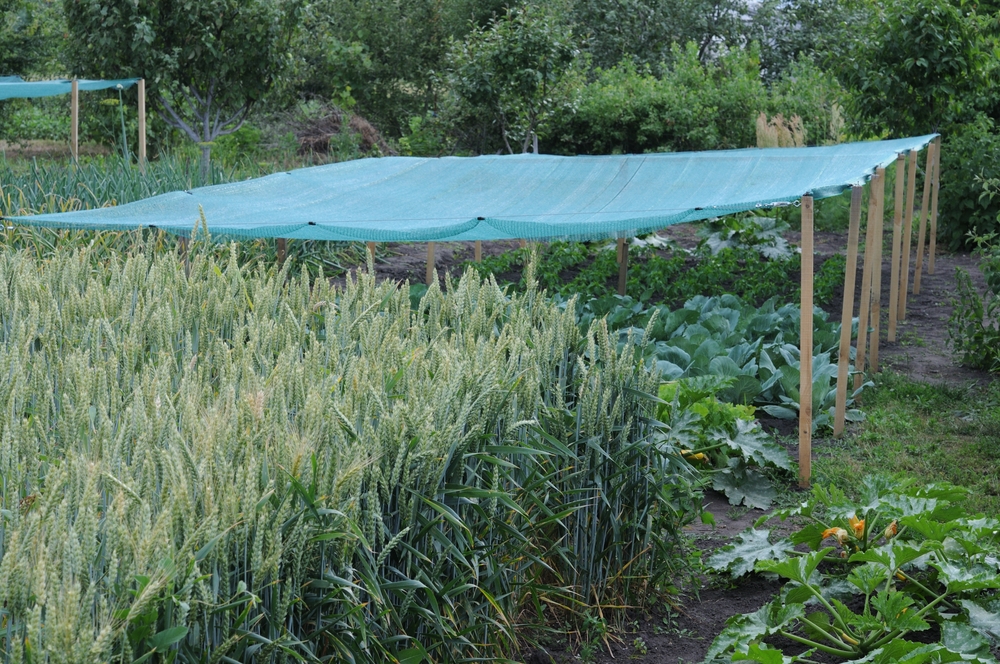
Something always waits for a chance to ruin a garden harvest. Birds eye the berries, squirrels plot their raids, and insects treat leafy greens like an open buffet. Garden netting promises protection, but those tidy rolls at garden centers often carry price tags that make even enthusiastic gardeners hesitate.
A large garden can swallow several packs of netting in a single afternoon, turning a simple solution into a surprisingly expensive project. Fortunately, creative gardeners have discovered that plenty of everyday materials can step in and do the job just as well. Many of these alternatives cost almost nothing and sometimes perform even better than traditional netting. A little creativity can transform ordinary household items into powerful shields that protect vegetables, fruits, and herbs from determined pests.
1. Old Window Screens: The Backyard Bodyguards
Old window screens rarely receive much appreciation once a house upgrade sends them into storage or onto the curb. Those dusty frames, however, can become incredibly effective garden protectors. A sturdy screen placed over a raised bed creates a breathable barrier that blocks birds, squirrels, and larger insects without trapping heat. Sunlight still pours through the mesh, and rainwater continues to reach the soil without any trouble. The rigid frame also makes installation simple because the screen rests neatly across garden beds without sagging or collapsing.
Gardeners often discover that window screens provide better durability than lightweight netting. Strong metal mesh resists tearing when animals attempt to claw through it, and the frame holds its shape throughout the season. Many neighborhoods produce a steady stream of discarded screens during home renovations, which makes them surprisingly easy to collect for free. A quick rinse removes dust and debris, and the screen becomes ready for garden duty. A few strategically placed screens can guard lettuce, strawberries, and herbs like silent sentinels protecting a delicious treasure.
2. Laundry Baskets: The Surprisingly Brilliant Berry Shield
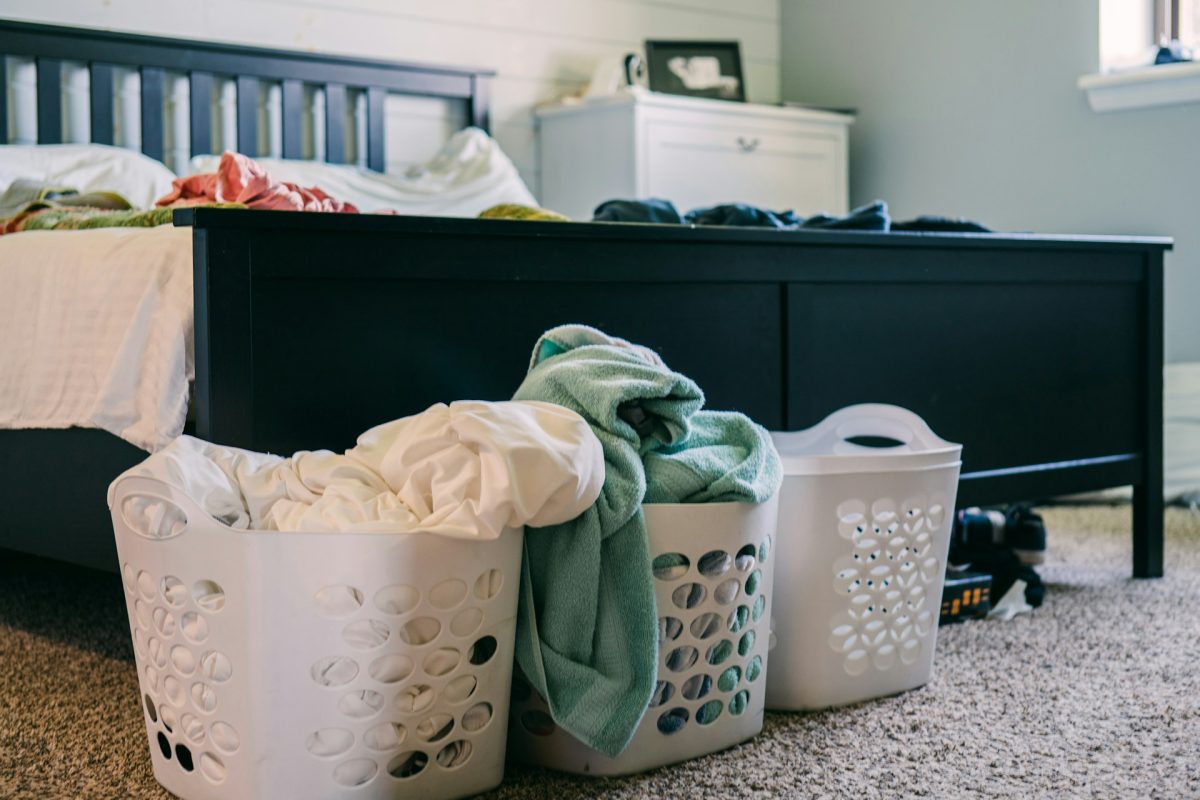
Plastic laundry baskets might seem like an odd gardening tool, yet they deliver impressive results when placed upside down over vulnerable plants. The open grid design allows sunlight and airflow to reach the plant while creating a physical barrier that birds and squirrels struggle to penetrate. Lightweight baskets also make quick work of covering strawberries, peppers, or small leafy greens. The structure stays sturdy enough to handle wind while remaining easy to lift when it’s time to harvest.
Gardeners often discover that this method works particularly well during fruiting season. Birds tend to attack ripening berries the moment bright colors appear, and an overturned basket provides instant protection without complicated installation. Many households already have extra baskets tucked away in closets or laundry rooms. Thrift stores and yard sales often sell them for pocket change, which makes them one of the cheapest garden protection tools imaginable. A humble laundry basket can quietly save a harvest that might otherwise disappear overnight.
3. Tulle Fabric: The Secret Weapon from Craft Stores
Soft, airy tulle fabric might bring to mind wedding decorations or craft projects, but that delicate mesh also works beautifully in the garden. The fabric features tiny holes that keep insects and birds away while allowing sunlight, air, and water to flow freely. Gardeners often drape tulle loosely over plants or secure it around stakes to create a protective tent. Unlike traditional netting, the fabric usually costs very little, especially when purchased in bulk from craft stores.
Another advantage comes from the material’s flexibility. Tulle bends easily around plant shapes without damaging stems or leaves, which makes it ideal for delicate crops such as tomatoes, blueberries, or young fruit trees. The soft texture also reduces the risk of animals getting tangled in the fabric. Gardeners who want to protect ripening fruit often wrap clusters loosely with small pieces of tulle. That simple trick blocks birds from pecking the fruit while still allowing the plant to grow naturally.
4. Garden Hoops with Floating Row Covers
Floating row covers already serve as a favorite tool for vegetable growers, but inexpensive household materials can easily replace traditional netting when combined with simple hoops. PVC pipe, flexible irrigation tubing, or even sturdy wire can form lightweight arches over garden beds. Once those arches stand in place, lightweight fabric or mesh can stretch across the structure to create a protective tunnel. The setup creates a small shielded environment that keeps birds, insects, and small animals away from vulnerable crops.
This method works especially well for leafy greens, cabbage, and young seedlings that attract hungry pests. The hoop structure keeps the covering elevated so plants can grow freely without constant contact with fabric. Gardeners often use inexpensive frost cloth, mesh fabric, or even thin curtains to complete the protective barrier. The tunnel also helps maintain a stable microclimate that reduces stress on young plants. A simple hoop system transforms cheap materials into a professional-looking garden defense system.
5. Plastic Crates: Sturdy Protection for Young Plants
Plastic milk crates or produce crates deliver another clever way to shield plants without expensive netting. Their rigid design allows them to sit securely over seedlings or young vegetables while still allowing light and airflow to pass through. Gardeners often place a crate over a newly planted crop to prevent birds from digging up seeds or pecking tender leaves. The crate acts like a miniature fortress that keeps pests away during the most vulnerable growth stage.
Another advantage comes from the crate’s weight and stability. Wind rarely moves them, and animals struggle to push them aside. Many grocery stores, warehouses, and farmers’ markets accumulate extra crates that eventually leave circulation. With permission, gardeners can often collect these crates for free or at extremely low cost. A few crates placed strategically across a garden can dramatically reduce early-season plant damage. This simple approach offers a rugged, reusable solution that lasts for years.
Turning Everyday Objects into Garden Armor
Garden protection doesn’t require expensive supplies or complicated installations. A quick look around the house or neighborhood often reveals materials that can guard plants just as effectively as store-bought netting. Window screens, baskets, fabric, crates, and simple hoop structures all prove that creativity can outperform expensive equipment. These alternatives keep sunlight flowing, maintain healthy airflow, and prevent animals from turning a garden into their personal buffet.
A thriving garden rewards the people who think creatively and adapt to challenges. Expensive tools sometimes grab attention, but practical solutions often sit quietly in garages, thrift stores, or recycling piles.
Which creative garden trick has worked best for protecting crops in your own backyard? Give us your ideas in the comments so others can discover even more ways to protect their harvest.
You May Also Like…
Why Cardboard Is a Useful Tool for Gardeners
How to Repair Garden Tools Instead of Replacing Them
The $5 Tool That Replaces Several Expensive Ones
5 Weirdly Useful Garden Tools You’ll End Up Using Every Day
March Garden Pests That Show Up Before You Notice the Damage

Brandon Marcus is a staff writer for FrugalGardening.com at District Media, Inc., where he delivers practical gardening advice with a relatable, no-nonsense style. An avid amateur gardener, he holds a BA degree and with over ten years of professional writing experience, he is also an award-winning published author whose first book, Questions For Deep Thinkers, was released by Adams Media. His work has appeared in major publications including Fandom.com, CHUD.com, TheColdWire.com, and Fansided.com.
Leave a Reply