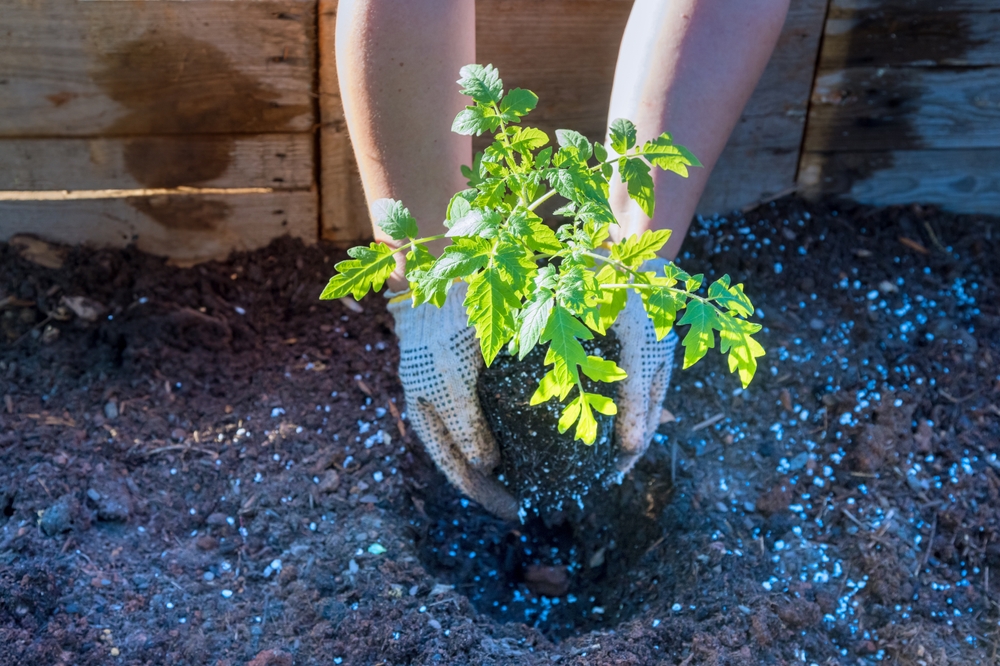
Gardens face constant pressure from pests, weather swings, soil problems, and human error that quietly chip away at yields and plant health. Small issues often grow into expensive losses when no protective strategy stands in place. A strong garden does not rely on luck, but on smart prevention that blocks damage before it starts.
These protective measures help reduce setbacks while keeping plants resilient through unpredictable conditions. Every gardener benefits from systems that save time, money, and hard-earned effort.
1. Build Physical Barriers That Stop Damage Before It Starts
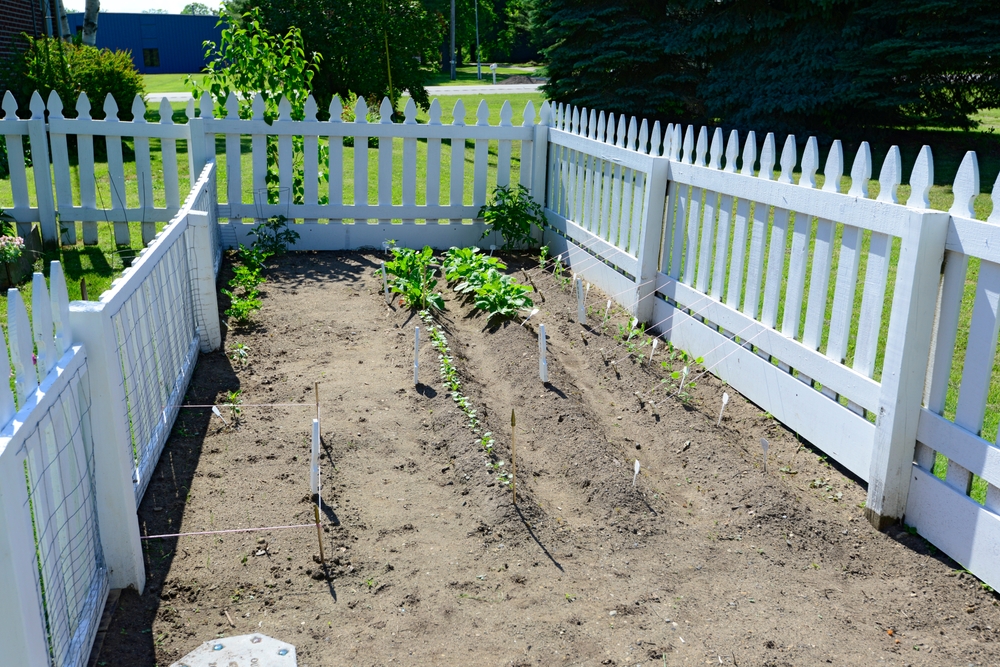
Garden losses often begin with insects, animals, and harsh environmental exposure that strike without warning. Row covers, mesh netting, and garden fencing create a first line of defense that blocks many common threats. Even simple cloches over young plants help prevent sudden damage from wind or hungry critters. Strong barriers reduce the need for chemical interventions and limit stress on plants during critical growth stages. Smart placement of protection structures makes a noticeable difference in survival rates across an entire growing season.
Physical protection works best when tailored to specific threats in the garden environment. Deer fencing protects larger spaces, while fine mesh keeps out aphids, beetles, and moths that target leaves. Cold frames shield seedlings from temperature drops that often stunt early development. Gardeners who install barriers early prevent recovery costs later, since damaged plants rarely regain full productivity. A well-protected garden immediately reduces loss potential and improves long-term harvest consistency.
2. Strengthen Soil Health to Reduce Plant Vulnerability
Healthy soil builds stronger plants that naturally resist disease, pests, and stress-related failure. Compost additions improve microbial activity and feed plants steady nutrients that reduce weak growth patterns. Mulching stabilizes moisture levels, preventing drought stress that often leads to crop loss. Balanced soil structure supports deeper roots, which help plants survive weather extremes more effectively. Strong soil creates a foundation that prevents many common garden failures before they begin.
Regular soil testing helps identify nutrient gaps that quietly reduce plant performance over time. Adjusting pH levels ensures plants access the nutrients they need without restriction or imbalance. Organic matter improves drainage, which reduces root rot during heavy rainfall periods. Gardeners who prioritize soil health often see fewer pest outbreaks because strong plants attract fewer opportunistic insects. Investing in soil quality consistently reduces long-term losses across all growing seasons.
3. Apply Smart Water Management Techniques
Improper watering causes significant plant loss, especially when gardeners overwater or underwater sensitive crops. Drip irrigation systems deliver consistent moisture directly to roots, reducing evaporation waste and fungal growth. Watering early in the morning limits heat stress and prevents leaf scorch during hot afternoons. Grouping plants with similar water needs avoids uneven moisture distribution that weakens certain species. Careful irrigation planning protects plants from both drought and saturation damage.
Rainwater harvesting systems provide an additional layer of protection during dry periods. Collecting water reduces reliance on unpredictable municipal supplies and stabilizes garden hydration routines. Soil moisture meters help gardeners avoid guesswork and maintain precise watering schedules. Overwatering often leads to root disease, which destroys entire plant systems before symptoms appear above ground. Smart water control reduces losses by keeping plant environments stable and predictable.
4. Rotate Crops and Diversify Planting Patterns
Crop rotation disrupts pest life cycles that build up when the same plants grow in the same soil repeatedly. Changing plant locations each season prevents soil-borne diseases from establishing long-term strongholds. Diversified planting mixes reduce the risk of total crop failure when one species suffers from pests or weather issues. Companion planting also helps deter insects naturally by confusing their feeding patterns. Strategic diversity strengthens the garden as a whole rather than relying on a single crop type.
Monoculture gardens often suffer heavier losses because pests and diseases target uniform plant groups more easily. Rotating legumes, leafy greens, and root vegetables improves soil balance while limiting nutrient depletion. Flowering companion plants attract beneficial insects that naturally control harmful populations. Seasonal planning ensures no single area becomes a permanent host for destructive organisms. Diversification reduces vulnerability and spreads risk across multiple crops instead of concentrating it in one area.
5. Monitor Early Warning Signs and Act Quickly
Small problems grow into major losses when gardeners miss early warning signs such as leaf spots, discoloration, or unusual insect activity. Regular inspection routines help identify issues before they spread across entire beds. Quick action, such as pruning affected areas or applying targeted treatments, prevents larger outbreaks. Garden logs track recurring issues and help identify patterns that require long-term solutions. Consistent monitoring turns reactive gardening into proactive protection.
Technology tools like moisture sensors and pest traps provide real-time feedback on garden conditions. Visual inspection still plays a major role because many issues appear first in subtle physical changes. Fast response times often determine whether a plant recovers or fails completely. Gardeners who stay alert reduce overall losses by addressing problems at their earliest stage. Awareness combined with action forms one of the strongest protective systems in any garden.
Smart Protection That Keeps Gardens Resilient Year After Year
Strong gardens succeed because they rely on prevention instead of reaction when challenges appear. Protective barriers, healthy soil, proper watering, crop rotation, and active monitoring work together as a complete defense system. Each method strengthens the garden in a different way while reducing risks that lead to loss. Combined strategies create stability that supports consistent harvests and healthier plants across seasons. Gardening success grows from preparation that stays one step ahead of problems.
What protective strategy has made the biggest difference in your garden so far? We want your advice and experiences shared below in our comments.
You May Also Like…
Why Garden Care Needs to Adjust as Temperatures Rise
Why Leaves Droop Even When Soil Feels Moist
8 Sandy Soil-Friendly Picks That Adapt Quickly
5 Affordable Soil Improvements That Make a Big Difference
Why Your “Organic” Soil Might Be Hiding a Dirty Secret

Brandon Marcus is a staff writer for FrugalGardening.com at District Media, Inc., where he delivers practical gardening advice with a relatable, no-nonsense style. An avid amateur gardener, he holds a BA degree and with over ten years of professional writing experience, he is also an award-winning published author whose first book, Questions For Deep Thinkers, was released by Adams Media. His work has appeared in major publications including Fandom.com, CHUD.com, TheColdWire.com, and Fansided.com.
Leave a Reply