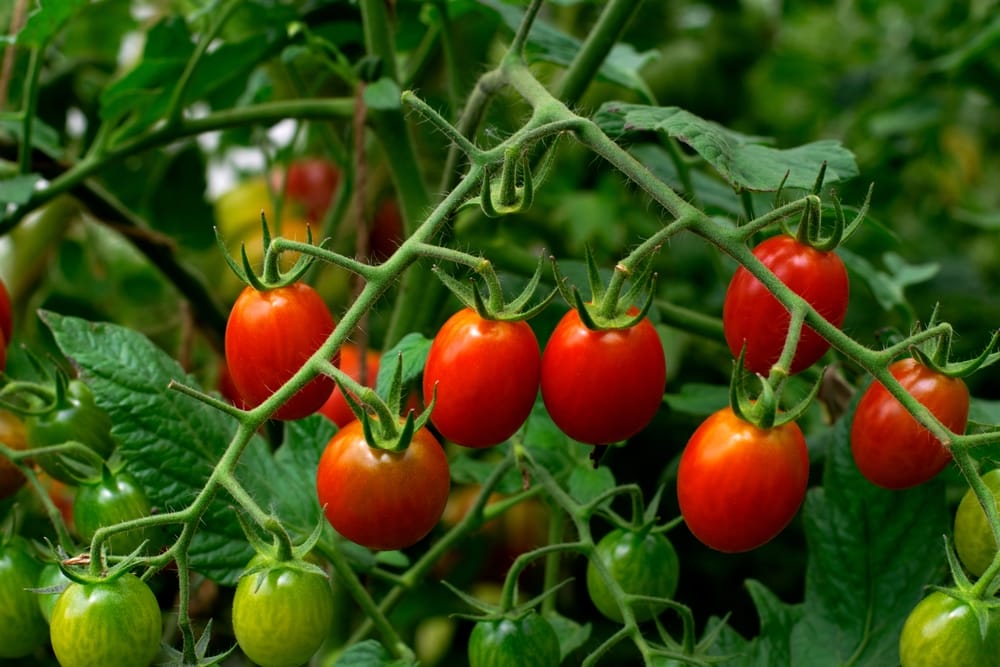
What if the secret to bigger, juicier tomatoes sat right in the trash bin? Not in some expensive garden center bottle, not in a complicated formula with a label no one understands, but in the everyday scraps most people toss without a second thought. Tomato plants crave nutrients, and those nutrients often hide in plain sight, waiting for a second life in the soil. That realization flips gardening from a chore into something that feels a little more like clever resourcefulness.
Great tomatoes do not happen by accident, and they definitely do not thrive on neglect. They demand rich soil, consistent feeding, and a steady supply of key nutrients like calcium, potassium, and nitrogen. Instead of reaching for synthetic fertilizers, many gardeners now turn toward simple, natural solutions that deliver results without draining a wallet. Kitchen waste steps into the spotlight here, offering a mix of nutrients that plants recognize immediately.
1. Banana Peels: The Potassium Powerhouse Your Tomatoes Love
Banana peels might look like harmless compost material, but they pack a serious nutritional punch. These peels contain high levels of potassium, which plays a huge role in fruit development and overall plant health. Tomatoes rely on potassium to regulate water movement, strengthen cell walls, and improve flavor in the final harvest. Tossing banana peels directly into the trash means throwing away a natural booster that plants eagerly absorb.
Chopping the peels into small pieces speeds up decomposition and helps nutrients reach the soil faster. Some gardeners bury them a few inches below the surface near the roots, where they slowly break down and release their goodness. Others soak peels in water for a few days to create a mild liquid fertilizer that can feed plants during watering sessions. Both methods work, and each offers a simple way to recycle waste into something useful.
Banana peels also attract beneficial microbes that improve soil health over time. These microbes help break down organic material and make nutrients more accessible to plants. That process creates a richer, more balanced growing environment that supports long-term success. With consistent use, banana peels can contribute to stronger plants and more abundant harvests. That kind of payoff makes them far too valuable to throw away.
2. Eggshells: Crunchy Armor Against Blossom-End Rot
Eggshells often end up in the trash, but they hold one of the most important nutrients for tomatoes: calcium. Calcium strengthens cell walls and helps prevent blossom-end rot, a frustrating condition that causes dark, sunken spots on the bottom of tomatoes. Without enough calcium, plants struggle to develop healthy fruit, no matter how much care they receive. Eggshells provide a slow-release source of this essential nutrient.
Crushing eggshells into fine pieces makes them easier for the soil to absorb. Sprinkling them around the base of plants or mixing them into the soil before planting creates a steady supply of calcium. Some gardeners even grind shells into a powder for faster results. That extra effort can make a noticeable difference, especially in calcium-deficient soil.
Eggshells also improve soil structure by adding texture and promoting drainage. Healthy soil needs a balance of air, water, and nutrients, and crushed shells help maintain that balance. Over time, they contribute to a more stable environment where roots can thrive. That stability supports consistent growth and reduces the risk of nutrient-related issues. Eggshells may look simple, but they deliver powerful results when used correctly.
3. Coffee Grounds: The Nitrogen Boost That Wakes Up Your Plants
Coffee grounds bring energy to more than just mornings. These leftover grounds contain nitrogen, a key nutrient that fuels leafy growth and overall plant vigor. Tomatoes need nitrogen during their early stages to develop strong stems and lush foliage. Adding coffee grounds to the soil can give plants that extra push when they need it most.
Mixing grounds into compost or directly into the soil helps distribute nutrients evenly. Fresh grounds work best in moderation, since too much can affect soil balance. Combining them with other organic materials creates a more complete nutrient profile. That approach ensures plants receive a steady, balanced diet rather than a sudden overload.
Coffee grounds also attract earthworms, which play a vital role in soil health. Earthworms break down organic matter and improve aeration, creating ideal conditions for root growth. Their presence signals a thriving ecosystem beneath the surface. With better soil structure and increased nutrient availability, tomato plants can grow stronger and produce more fruit. That transformation starts with something as simple as yesterday’s coffee.
4. Vegetable Scraps: A Nutrient Mix Straight From the Kitchen
Vegetable scraps offer a diverse blend of nutrients that can benefit tomato plants in multiple ways. Peels, stems, and leftover bits from carrots, lettuce, and other vegetables all contribute organic matter to the soil. This variety creates a balanced nutrient profile that supports overall plant health. Instead of discarding these scraps, turning them into compost unlocks their full potential.
Composting vegetable waste allows it to break down into a rich, dark material that gardeners often call “black gold.” This compost improves soil fertility, enhances moisture retention, and provides a steady release of nutrients. Adding compost to tomato beds creates a foundation for strong growth and consistent yields. That foundation makes a noticeable difference throughout the growing season.
Even without a full compost system, burying small amounts of vegetable scraps near plants can still provide benefits. The key involves keeping portions manageable to avoid attracting pests or creating odor issues. With the right balance, these scraps become a valuable resource rather than waste. That shift turns everyday cooking leftovers into a powerful gardening tool.
5. Epsom Salt: The Magnesium Kick Tomatoes Secretly Need
Epsom salt may not come from the trash, but it often sits unused in cabinets, waiting for a purpose. This simple compound contains magnesium, which plays a crucial role in photosynthesis and nutrient absorption. Tomatoes use magnesium to produce chlorophyll, the pigment responsible for green leaves and energy production. Without enough magnesium, plants can show yellowing leaves and reduced growth.
Dissolving Epsom salt in water creates an easy-to-apply solution that can feed plants through their roots. A light application every few weeks can support healthy development without overwhelming the soil. Some gardeners also sprinkle a small amount around the base of plants and water it in. Both methods provide a quick boost when plants need extra support.
Using Epsom salt in moderation ensures the best results. Too much can disrupt nutrient balance, so careful application matters. When used correctly, it complements other natural fertilizers and fills in gaps that kitchen scraps may not cover. That combination creates a well-rounded feeding strategy that keeps tomato plants thriving. A small addition can make a big difference in plant performance.
The Tomato Upgrade You Did Not See Coming
Transforming kitchen waste into fertilizer changes the entire gardening experience. It shifts the focus from buying products to using resources that already exist at home. Each of these items brings something unique to the table, from potassium and calcium to nitrogen and magnesium. Together, they create a nutrient-rich environment that supports strong, productive tomato plants.
Which of these “trash” fertilizers sounds like the easiest one to try first, and what other creative gardening tricks have delivered surprising results? Drop thoughts, ideas, or favorite tips in the comments and keep the conversation growing.
You May Also Like…
Why Some Plants Reject Fertilizer and How to Adjust
How to Turn Kitchen Scraps Into Nutrient-Rich Fertilizer
5 Budget Vegetable Patch Designs for Small Yards
Cheap Support Ideas for Vining Plants Like Tomatoes and Beans
Ways to Grow Tomatoes for Less This Year

Brandon Marcus is a staff writer for FrugalGardening.com at District Media, Inc., where he delivers practical gardening advice with a relatable, no-nonsense style. An avid amateur gardener, he holds a BA degree and with over ten years of professional writing experience, he is also an award-winning published author whose first book, Questions For Deep Thinkers, was released by Adams Media. His work has appeared in major publications including Fandom.com, CHUD.com, TheColdWire.com, and Fansided.com.
Leave a Reply