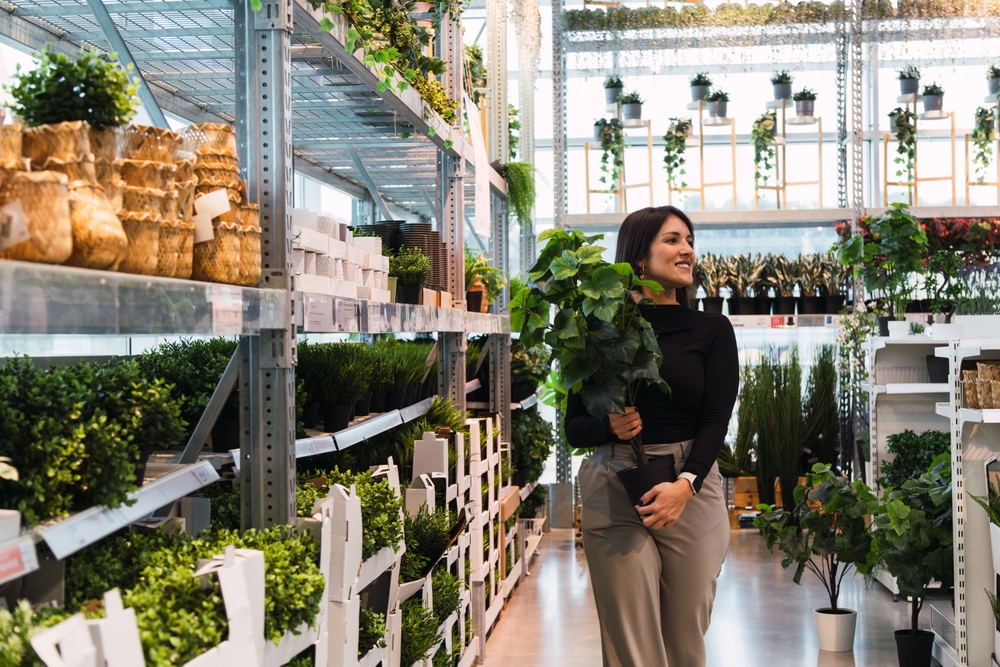
Garden centers start changing gears as summer winds down, and that shift can create some surprisingly good bargains. Plants that looked like premium purchases in June may suddenly land on the clearance rack, while pots, garden supplies, and seasonal merchandise can get price cuts as stores make room for fall inventory.
That does not mean every bargain deserves a spot in the trunk. A half-price plant with root rot remains a bad deal, and a bargain perennial that cannot handle the local winter will not magically become a wise purchase because someone slapped a red sticker on it. The best late-season shopping takes a little inspection, a little timing, and a willingness to leave the truly sad specimens behind.
1. Annual Flowers That Have Had Their Moment
Annual flowers often lead the markdown parade because garden centers need room for seasonal merchandise as summer fades. Petunias, marigolds, geraniums, impatiens, and other warm-season favorites can lose their premium price even though they still have plenty of flowers left to offer. A plant that looks slightly tired after months of heat may simply need a trim, water, and a better location. Look closely at the foliage and stems rather than judging the plant by a few spent blooms.
The calendar matters, too, because a cheap annual makes more sense when several weeks of suitable growing weather remain. Skip plants with widespread yellowing, mushy stems, obvious pest infestations, or roots circling densely around the inside of the container. A healthy discounted annual can provide plenty of late-season color for very little money. Just remember that the bargain price does not extend the plant’s natural growing season.
2. Perennials That Need a New Home
Perennials can become tempting markdown candidates when garden centers want to clear older inventory or make space for new seasonal stock. Late summer can actually offer a useful opportunity to evaluate a perennial because the plant’s foliage, flower performance, and overall condition sit right in front of you. Check the plant tag before buying so the perennial matches the site’s sunlight, soil, moisture, and winter conditions. A bargain plant that needs full sun will sulk in a shady corner no matter how impressive the discount looks.
Container-grown perennials also need a careful root inspection when possible, especially if they have spent a long time in the same pot. Dense roots do not automatically mean disaster, but severely congested roots may require more careful planting and watering after purchase. Look for vigorous growth rather than a pot filled with dead stems and weeds. A healthy perennial on clearance can become one of the smartest purchases of the season because it gives the garden a head start for future years.
3. Shrubs and Small Trees
Woody plants can appear on markdown tables when garden centers need to move inventory before colder weather or before the next shipment arrives. Shrubs and small trees deserve more scrutiny than a quick glance at the price tag because damage can take time to reveal itself. Check the trunk or main stems for cracks, wounds, severe dieback, or signs of insects and disease. Also inspect the container for roots that have escaped through the drainage holes or formed a dense circular mass.
A discounted shrub can make a particularly useful addition when the plant suits the site and the gardener can give it proper care after planting. Fall planting often gives woody plants time to establish roots before the following growing season, although local climate and the specific plant still matter. Avoid impulse purchases based solely on a giant markdown, especially with plants that push the limits of winter hardiness in the area. The right plant at the right price can become a garden fixture, while the wrong one simply becomes an expensive hole that happens to be filled with dirt.
4. Vegetable and Herb Starts
Vegetable and herb plants can become deeply discounted once their prime planting window begins to close. Tomatoes, peppers, basil, and other warm-season crops may still produce useful harvests if warm weather remains, but gardeners need to calculate the time available before buying. Examine leaves for spots, insects, distorted growth, and signs of stress, then check the stems for strength and damage. A tiny price tag cannot rescue a plant that already looks like it has spent its last dollar of energy.
Late-season vegetable starts can make sense for crops that tolerate cooler conditions, especially when the local growing season still offers enough time for production. Gardeners can also find value in herbs that can continue growing for a while or move indoors under suitable conditions. Avoid buying warm-season plants simply because the discount looks dramatic if frost sits just around the corner. The goal involves harvesting food, not creating a bargain-priced memorial garden for a tomato plant.
5. Planters and Containers
Pots can become excellent clearance finds because garden centers need to make room for new designs, seasonal merchandise, and winter inventory. Decorative containers often cost enough that even a modest markdown can make a noticeable difference, especially for larger sizes. Check every pot for cracks, unstable bases, damaged drainage holes, and glaze or finish problems before putting it in the cart. Plastic containers deserve a similar inspection because brittle material can crack easily after spending too much time outdoors.
Size matters more than appearance once a container leaves the showroom floor. A gorgeous little pot will not help a plant that needs substantially more root space, while an enormous container can create watering problems if the soil stays wet for too long. Look for containers with adequate drainage and enough room for the plant you actually intend to grow. Clearance season can be a great time to stock up on useful pots, but only when the bargain container can do the job.
6. Potting Mix, Soil Amendments, and Mulch
Bagged garden products sometimes receive markdowns when stores clear seasonal inventory or prepare for the next round of shipments. That can make late-season shopping worthwhile for products gardeners know they will use, including potting mix, compost-based amendments, and mulch. Before buying, inspect bags for tears, excessive moisture, mold, or signs that insects have taken up residence. A small puncture may not matter for some dry products, but a badly compromised bag can create more trouble than savings.
Storage also deserves attention because discounted soil products can become awkward cargo once they reach home. Keep unopened bags protected from weather and follow the product label for appropriate storage and use. Gardeners should also resist buying mountains of material simply because the price looks good if the product has a limited use or the garden does not need it. The cheapest bag remains the wrong purchase when it spends the next year occupying the garage.
7. Garden Tools and Seasonal Accessories
Pruners, hand trowels, gloves, plant supports, watering accessories, and other small garden tools can appear in clearance sections as stores rotate seasonal merchandise. These items often make more practical purchases than a struggling clearance plant because a good tool can remain useful for years. Test moving parts on pruners and shears, check handles for cracks, and inspect metal surfaces for rust or damage. For gloves and soft goods, check stitching, elastic, and sizing rather than grabbing whatever happens to carry the biggest discount.
Seasonal accessories can also include items that gardeners will not need until another part of the growing year, which makes planning especially valuable. A sturdy trellis or plant support can sit quietly in storage until the right crop needs it, while inexpensive labels and ties rarely go to waste in a busy garden. Avoid buying gadgets that solve problems the garden does not actually have. Clearance shopping works best when the discount helps stretch a gardening budget rather than encouraging a shopping cart full of future clutter.
The Best Bargain May Be the One Left Behind
Late-season markdowns can turn a garden center visit into a treasure hunt, but price should never become the only deciding factor. Healthy plants, useful containers, quality tools, and properly stored garden products can deliver genuine value when gardeners match the purchase to their needs. Inspect everything carefully, check plant requirements, and think about how much useful life remains before reaching for the wallet.
Timing also matters because clearance sections change quickly as stores make room for new inventory. Early shoppers may find better plant selection, while later shoppers may find deeper discounts but fewer healthy choices. The sweet spot comes from knowing what the garden needs before entering the store and having enough restraint to walk away from something that only looks cheap.
Which garden center markdown has turned out to be your best bargain, and what did you find that you simply could not leave behind?
You May Also Like…
Garden Centers Are Starting to Clear Shelves, but Not Every Discount Is Worth It
The Garden Center Advice That Cost Me
7 Garden Purchases Worth Making During End-of-Season Sales
Shopping for Grow Lights? Learn the Optimal Number of Lumens Required for Your Plants.
9 Garden Supplies Worth Buying When Stores Start Clearing Summer Inventory

Brandon Marcus is a staff writer for FrugalGardening.com at District Media, Inc., where he delivers practical gardening advice with a relatable, no-nonsense style. An avid amateur gardener, he holds a BA degree and with over ten years of professional writing experience, he is also an award-winning published author whose first book, Questions For Deep Thinkers, was released by Adams Media. His work has appeared in major publications including Fandom.com, CHUD.com, TheColdWire.com, and Fansided.com.
Leave a Reply