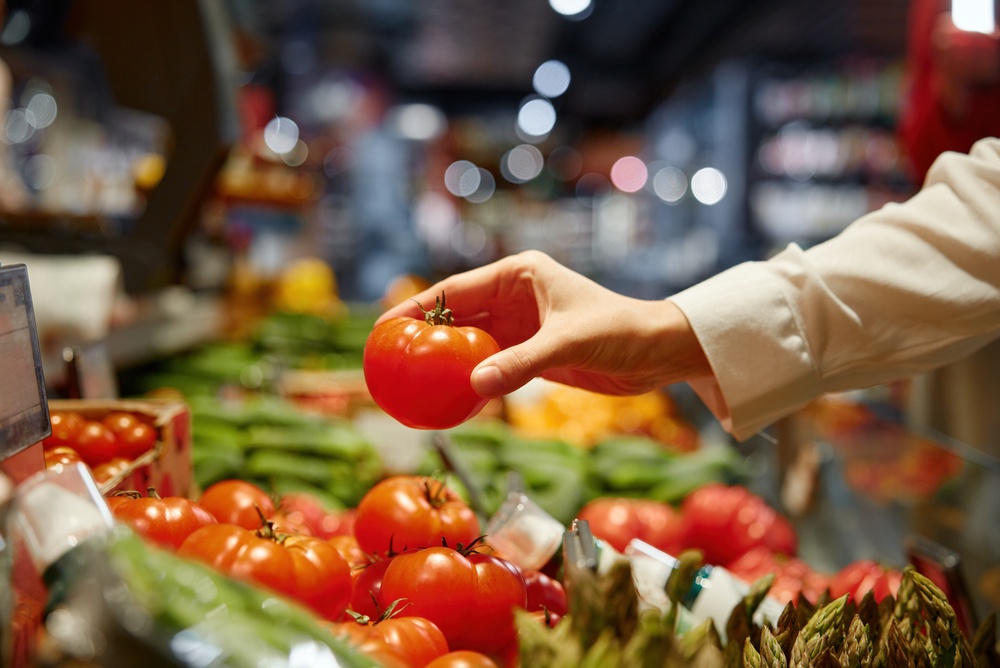
That tomato from the grocery store could become next summer’s tomato plant, but it could also become a very elaborate science experiment with leaves and no decent fruit. Grocery store produce sometimes contains perfectly viable seeds, yet the seed’s ability to grow tells only part of the story. The bigger question involves what kind of plant produced that seed and how that plant pollinated.
For gardeners who enjoy stretching a grocery dollar, saving seeds costs almost nothing and can turn kitchen scraps into a surprisingly entertaining garden project. Tomatoes, peppers, beans, peas and some other crops offer much better odds than others, while hybrid varieties and heavily cross-pollinated crops can produce offspring that look nothing like the original produce.
Some Grocery Store Seeds Are Absolutely Worth Trying
Tomatoes make one of the best grocery store seed experiments because their seeds usually remain viable when gardeners remove them from a fully ripe fruit and prepare them properly. Peppers also offer a reasonable shot, especially when gardeners collect mature seeds from fully ripe fruit rather than pulling pale seeds from an immature pepper. Beans and peas can work too, although the fresh green pods in the produce aisle usually contain seeds that have not finished maturing.
The catch starts with variety. An open-pollinated variety generally produces offspring that resemble the parent, while a hybrid combines traits from two parent varieties and may produce unpredictable offspring in the next generation. That does not mean hybrid seeds cannot grow, because many absolutely can, but the resulting plant may produce fruit with different size, flavor, colors, or other characteristics.
The Tomato Might Be Delicious, But Its Seeds Need Some Detective Work
A gorgeous grocery store tomato can tempt a gardener into saving every seed in sight, but appearance alone cannot reveal whether the variety grows true from seed. A tomato labeled with a specific variety name gives gardeners a much better clue than a vague label such as “vine tomato” or “beefsteak.” When the variety remains unknown, the experiment still makes sense, but the gardener should treat the resulting plants as a surprise rather than a guaranteed repeat performance.
Tomato seeds also carry a gelatinous coating that gardeners should remove before long-term storage. A simple method involves scooping the seeds and gel into a small container with water, letting the mixture ferment for several days, then rinsing the seeds and drying them thoroughly. The process sounds slightly more dramatic than it feels, although the smell can convince even enthusiastic gardeners to keep the little jar somewhere away from the kitchen.
Some Produce Creates a Much Bigger Pollination Puzzle
Cucumbers, squash, pumpkins and melons deserve more caution because insects readily move pollen among flowers, which can create crosses between compatible varieties. A gardener may save seeds from a perfectly delicious squash and later grow a plant whose fruit looks and tastes completely different. The original fruit does not change because of that cross, but the seeds can carry a different genetic combination into the next generation.
Corn creates another classic seed-saving headache because wind can carry pollen between nearby plants. That means saving kernels from grocery store sweet corn rarely offers the same reliability as saving seed from a known, carefully managed variety. Carrots and beets present a different problem because they need two growing seasons to produce seed, which makes them considerably less convenient for casual kitchen-scrap experiments.
The Fruit Needs To Be Mature, Not Merely Edible
One of the easiest mistakes involves taking seeds from produce at the exact stage that makes it delicious for dinner. Gardeners need mature seed, and that often means allowing the fruit to reach full ripeness before collecting it. Pepper seeds, for example, perform better when the pepper reaches full maturity and begins to wrinkle, while peas and beans need to remain on the plant until their pods dry.
Tomatoes require a slightly different routine because gardeners collect the seeds from ripe fruit while they remain surrounded by gel. After cleaning and drying, gardeners should store seeds somewhere cool and dry, preferably in a labeled airtight container. A label matters more than it seems because “mystery red tomato” sounds charming in September and considerably less helpful when seed-starting season arrives months later.
Start With the Right Expectations
Grocery store seed saving works best when gardeners treat it as an experiment rather than a replacement for every seed packet in the garden center. A successful sprout does not guarantee a successful harvest, and a successful harvest does not guarantee that next year’s plants will resemble this year’s fruit. That uncertainty makes grocery-store seeds particularly fun for tomatoes and peppers, where a little genetic mystery usually costs nothing more than a few minutes of preparation.
For a dependable garden, known open-pollinated varieties remain the smarter choice because their offspring generally retain characteristics similar to the parent plant. For a little backyard curiosity, however, those seeds hiding inside a particularly good tomato or pepper deserve a chance. The best approach combines both strategies: plant reliable seeds where the harvest really matters, then leave a little room for the grocery-store experiment to surprise you.
Would you try growing a plant from seeds saved from grocery-store produce, or does the possibility of a mystery vegetable sound like too much garden drama?
You May Also Like…
6 Ways to Save Seeds Without Ruining Next Year’s Germination
Ordered Seeds on Amazon? You May Not Know What You’re Actually Planting
Those Beautiful Seeds You Found Online May Be Fake — Here’s How to Tell
7 Plants That Offer Seeds Birds Can Eat Through Fall
6 Signs Garden Soil Is Too Warm for Newly Sown Seeds

Brandon Marcus is a staff writer for FrugalGardening.com at District Media, Inc., where he delivers practical gardening advice with a relatable, no-nonsense style. An avid amateur gardener, he holds a BA degree and with over ten years of professional writing experience, he is also an award-winning published author whose first book, Questions For Deep Thinkers, was released by Adams Media. His work has appeared in major publications including Fandom.com, CHUD.com, TheColdWire.com, and Fansided.com.
Leave a Reply