A strange, foamy growth has started turning up in mulch beds across Georgia, and it doesn’t exactly blend in with the azaleas. In some yards, it looks like scrambled eggs dumped on the ground. In others, it forms bright yellow patches that seem to swell overnight. The sight alone can make anyone stop in their tracks. So what exactly is creeping through Georgia’s mulch?
Experts across the state say a slime mold commonly nicknamed “dog vomit fungus” has gained attention this season as more homeowners report spotting it in fresh mulch. While the name sounds dramatic, the science tells a calmer story. Still, the sudden surge in sightings has sparked questions about safety, plant health, and whether something bigger is brewing beneath the surface.
What’s Actually Growing in Georgia’s Mulch?
The organism turning heads in Georgia landscapes is commonly known as dog vomit slime mold, and scientists call it Fuligo septica. Despite the nickname, it doesn’t qualify as a true fungus. It belongs to a group of organisms called slime molds, which behave more like single-celled amoebas during part of their life cycle and then form visible masses when conditions line up just right.
Warm temperatures, steady moisture, and organic material like wood chips create the perfect environment for Fuligo septica to thrive. Georgia’s humid climate delivers all three in generous supply, especially during late spring and summer. When mulch stays damp after heavy rain or irrigation, slime molds seize the opportunity to grow rapidly across the surface.
At first glance, the growth can look alarming. It often appears as a bright yellow, orange, or cream-colored blob that seems to inflate over a day or two. As it matures, it dries out and turns brown, eventually breaking apart into powdery spores. That fast transformation often convinces people something dangerous has invaded their yard, but the organism simply follows its natural cycle.
Why Experts Say It’s Spreading Now
Garden specialists have long documented slime molds in the region, but weather patterns can amplify how often people notice them. Extended stretches of rain followed by heat create ideal breeding conditions. Recent seasons have delivered exactly that mix in many parts of the state.
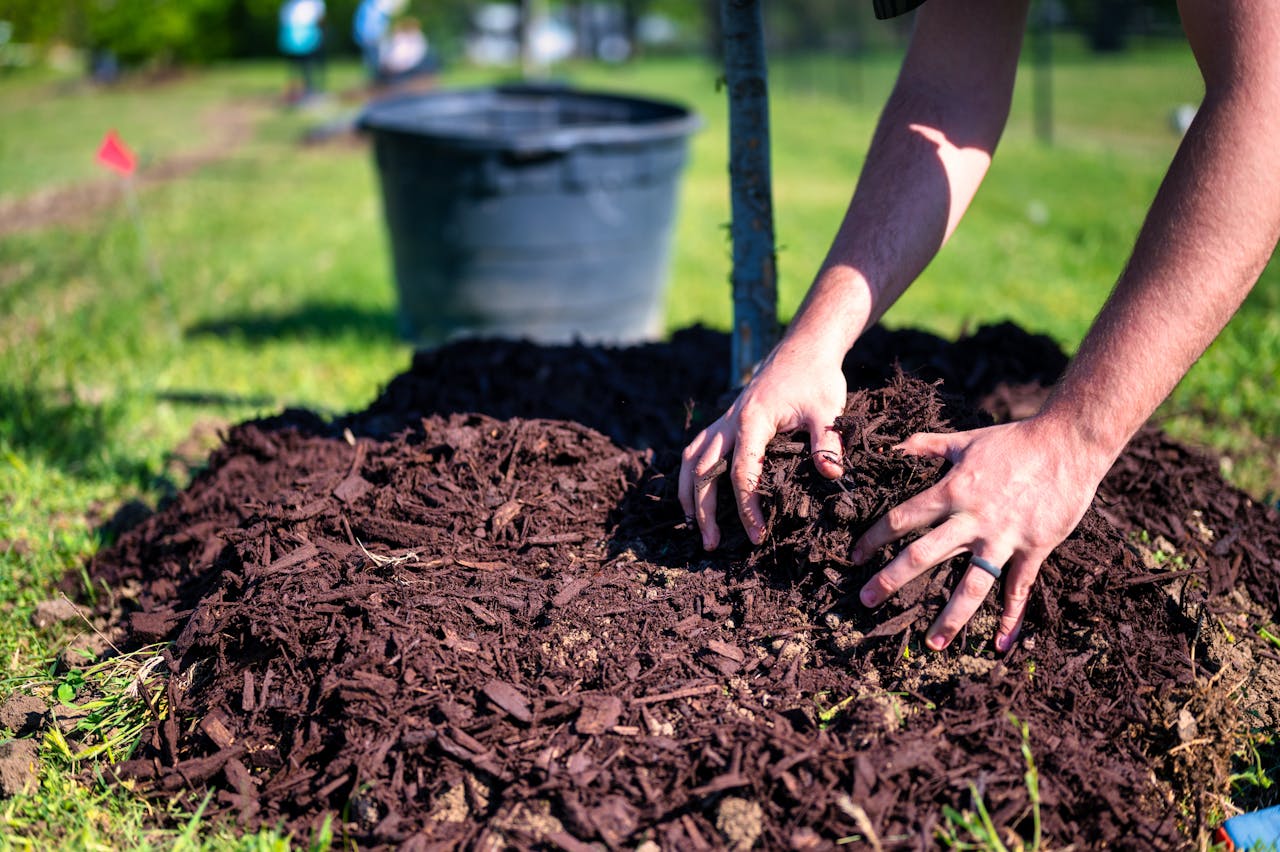
Mulch production and distribution also play a role. Landscaping companies source mulch from shredded wood and tree debris, which already contain fungal spores and microorganisms. When suppliers move large quantities of mulch across counties, they unintentionally distribute organisms like Fuligo septica along with it. That doesn’t mean suppliers did anything wrong. Slime molds occur naturally in forest ecosystems, and mulch simply mimics that environment in a more visible way.
Homeowners also refresh mulch beds in spring, which coincides with rising temperatures and increased rainfall. Fresh mulch holds moisture efficiently, especially when people water new plantings frequently. Combine fresh organic material with steady irrigation and southern humidity, and slime molds can flourish almost overnight.
Is It Dangerous to People, Pets, or Plants?
Here’s where the panic usually settles down. Slime molds like Fuligo septica do not infect plants, and they do not attack roots, stems, or leaves. They feed on microorganisms that live in decaying organic matter, not on living plant tissue. In fact, they often signal that the mulch contains healthy microbial activity.
Most experts agree that dog vomit slime mold poses little to no threat to humans or pets. It does not produce toxins that harm people through casual contact. That said, anyone with mold allergies or respiratory sensitivities should avoid disturbing it once it dries and releases spores. Stirring up the powdery residue can irritate sensitive lungs, so a simple mask and gloves offer smart protection during cleanup.
The biggest impact tends to be aesthetic. The bright, spongy mass can overwhelm a neatly designed flower bed and draw attention away from carefully chosen plants. For homeowners who take pride in curb appeal, that visual disruption alone feels like a problem worth solving.
What You Should Do If You See It
If you spot slime mold in your mulch, resist the urge to reach for harsh chemicals. Fungicides do not work effectively on slime molds, and they can harm beneficial organisms in your soil. Instead, grab a shovel or rake and remove the visible mass. Bag it and dispose of it in the trash rather than composting it.
You can also break it apart and allow it to dry in place if you don’t mind the temporary appearance. Once it dries out completely, it usually crumbles and fades away. Increasing sunlight exposure to the area can discourage future growth, so trimming back dense shrubs or reducing overwatering may help.
Adjust your watering habits if you notice recurring outbreaks. Mulch should stay moist but not soggy. Water deeply and less frequently rather than applying light daily sprinkles. Good drainage keeps mulch from turning into a constant damp sponge, which slime molds love.
Climate, Landscaping, and Microbial Life
While slime mold may look bizarre, it highlights how alive our landscapes truly are. Georgia’s climate supports an enormous range of fungi, molds, and microorganisms that quietly recycle organic matter every day. Slime molds participate in that natural cleanup crew.
Changes in rainfall patterns and warmer average temperatures can increase how often people encounter organisms like Fuligo septica. Climate scientists have documented shifting weather trends across the Southeast, including heavier rainfall events. When those conditions meet suburban landscaping practices that rely heavily on mulch, visible growth becomes more common.
Instead of viewing every unusual organism as a threat, homeowners can see this as a reminder that mulch doesn’t just decorate flower beds. It supports a complex web of life beneath the surface. That web includes beneficial microbes that improve soil structure and nutrient cycling, which ultimately support healthier plants.
How to Keep Mulch Beds Healthy and Balanced
A few practical steps can reduce the chances of recurring slime mold while keeping landscapes thriving. First, apply mulch in a layer about two to three inches deep. Thicker layers trap excess moisture and create a breeding ground for molds and fungi. Keep mulch a few inches away from plant stems and tree trunks to prevent rot and encourage airflow.
Second, choose high-quality mulch from reputable suppliers. While all mulch contains microorganisms, well-processed products break down more evenly and drain better. Ask suppliers about how they store and handle their materials, especially during rainy seasons.
Finally, stay observant. Walk through your yard after heavy rains and check for standing water or areas where mulch compacts tightly. Fluffing compacted mulch with a rake improves airflow and speeds up drying. These small habits can make a noticeable difference over time.
Why This Isn’t a Reason to Panic
Bright yellow blobs in a flower bed can spark concern, especially when headlines mention spreading fungi. Yet science offers reassurance here. Fuligo septica thrives under specific environmental conditions, and it fades just as quickly when those conditions change.
Nature constantly reminds us that life teems beneath every layer of soil and wood chips. Sometimes that life announces itself in dramatic fashion. When it does, knowledge beats panic every single time.
Have you spotted this strange yellow growth in your yard, and did it surprise you as much as it surprised everyone else this season? Our comments section is the perfect place to talk about it.
You May Also Like…
Why Your Garden Shed Could Be Harboring Toxic Mold This Winter
Why Gardeners in Texas Are Losing Entire Beds to This Soil-Borne Fungus
Natural Ways To Control Fungus in Plants
Why Gardeners in the Carolinas Are Skipping Mulch This Winter—And What Experts Say to Do Instead
This Budget-Friendly Mulch Is Actually Acidifying Your Soil

Brandon Marcus is a staff writer for FrugalGardening.com at District Media, Inc., where he delivers practical gardening advice with a relatable, no-nonsense style. An avid amateur gardener, he holds a BA degree and with over ten years of professional writing experience, he is also an award-winning published author whose first book, Questions For Deep Thinkers, was released by Adams Media. His work has appeared in major publications including Fandom.com, CHUD.com, TheColdWire.com, and Fansided.com.
Leave a Reply