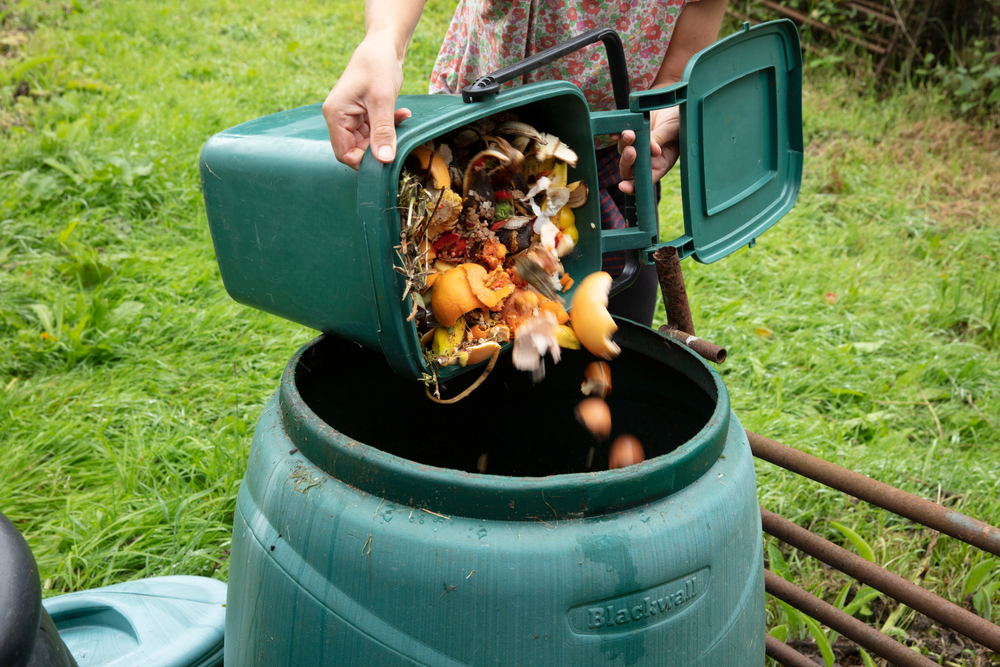
You lovingly nurture your compost bin like it’s a pet—tossing kitchen scraps and yard waste with dreams of rich soil to feed your garden. But imagine your compost quietly turning into an unwelcome incubator for fungi that could wipe out your fragile seedlings before they even get a chance to sprout strong roots.
It’s a twist no gardener wants to face, but it’s real: certain conditions in compost can encourage fungal growth that harms young plants. Understanding why this happens helps you fix it, and even makes your compost more of a plant‑boosting ally than a silent threat.
Compost Isn’t Sterile, And Not All Fungi Are Friends
Compost is a living ecosystem full of microorganisms breaking down organic matter, which is why it eventually becomes rich, crumbly soil amendment every gardener craves. Fungi such as Thermomyces lanuginosus thrive in compost environments because they digest tough plant materials and help speed up decomposition.
But not every fungus is helpful, and when compost isn’t fully mature or balanced, harmful fungi can persist in the mix and find their way into your seed starting soil. Pathogens like Alternaria alternata exist in moist, moderate‑temperature environments typical of amateur compost piles and can release spores that infect seedlings. These pathogens don’t help plants grow—they hurt them, especially when the seedlings’ defenses are weakest.
Immature Compost Feeds The Bad Guys More Than The Good Guys
The stage of your compost matters more than most people realize, because immature compost still harbors active microorganisms that haven’t finished breaking down organic material. When compost isn’t fully decomposed, it can contain acids, ammonia, and other compounds that irritate or damage delicate seedling roots.
Worse yet, immature piles haven’t reached and sustained high enough temperatures to reliably kill off pathogenic fungal spores, meaning bad fungi can survive and hitch a ride into your garden. Seedlings grown directly in or watered with immature compost frequently experience “damping off,” a fungal disease that causes stems to rot and collapse at soil level.
Damp, Crowded Conditions Encourage Disease
Fungi love moisture just as much as seedlings do, and common mistakes like overwatering compost or packing seed trays too tightly create the perfect party environment for harmful fungal spores. Excess moisture prevents air from circulating, which keeps compost soggy and ideal for fungal pathogens to thrive instead of beneficial microbes.
Meanwhile, seedlings that grow close together shade the soil and raise humidity around their stems, making it easier for fungal diseases to latch on and spread between plants. These conditions are especially common in spring when gardeners are itching to start seeds indoors or under cover and may not pay close attention to ventilation or light.
If you notice mushrooms, gray fuzz, or soft rot on stems, those are often signs that fungal activity has jumped from compost into your seedlings. That’s not just messy—it’s destructive and discouraging after you’ve invested time and care.
Not All Compost Fungi Are Bad — Some Fight The Pathogens
Before you panic and abandon compost entirely, here’s the hopeful twist: certain fungi actually help your plants by suppressing the bad organisms. Research shows that strains like Trichoderma viride are used as biofungicides because they colonize seed surfaces and protect roots from disease‑causing fungi.
When compost is well‑made and biologically diverse, beneficial fungi and bacteria compete with harmful pathogens for nutrients and space, reducing disease risk. That’s why mature, well‑balanced compost can actually enhance disease suppression in your garden mix when used carefully.
How To Tell If Your Compost Is Friend Or Foe
Identifying whether your compost is likely to harm seedlings comes down to a few sensory tests and timing. Good, mature compost smells earthy and neutral, whereas immature compost can smell sour, like ammonia, or even rotten, indicating incomplete decomposition and active microbial breakdown.
The temperature of the compost also tells a story: if it heats up significantly when turned or stirred, the microbial processes still have work to do, and it isn’t ready for use around tender seedlings. A quick germination test shows whether seeds thrive or falter in your batch.
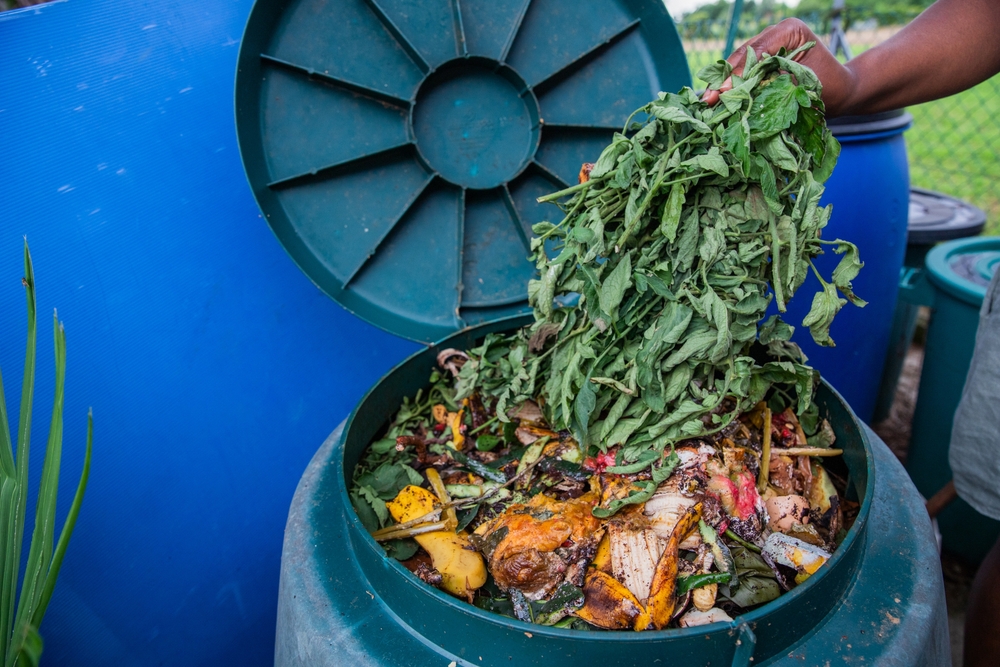
The Compost‑Seedling Balance You Can Master
Your compost bin should be an ally, not an enemy, and understanding the relationship between fungi, compost maturity, and seedling health puts you in the driver’s seat of your garden’s success.
When compost is properly finished and balanced, its fungal community can become part of a vibrant ecosystem that feeds and protects seedlings rather than harming them. By paying attention to how you compost, how you prepare seedling trays, and how you manage moisture and airflow, you transform your garden from a fungal free-for-all into a thriving nursery for strong, healthy plants.
What’s the strangest thing you’ve ever found growing in your compost or garden soil—and did it help your plants or hurt them?
You May Also Like…
8 Winter Compost Additives That Speed Up Breakdown
7 Things You Should Never Compost in Winter—Even If You Do in Summer
Extension Offices Are Sounding the Alarm on This Popular Compost Ingredient
Why You Shouldn’t Compost These 3 Things—Even If TikTok Says It’s Fine
7 Compost Layering Mistakes That Stop Heat Production

Brandon Marcus is a staff writer for FrugalGardening.com at District Media, Inc., where he delivers practical gardening advice with a relatable, no-nonsense style. An avid amateur gardener, he holds a BA degree and with over ten years of professional writing experience, he is also an award-winning published author whose first book, Questions For Deep Thinkers, was released by Adams Media. His work has appeared in major publications including Fandom.com, CHUD.com, TheColdWire.com, and Fansided.com.
Leave a Reply