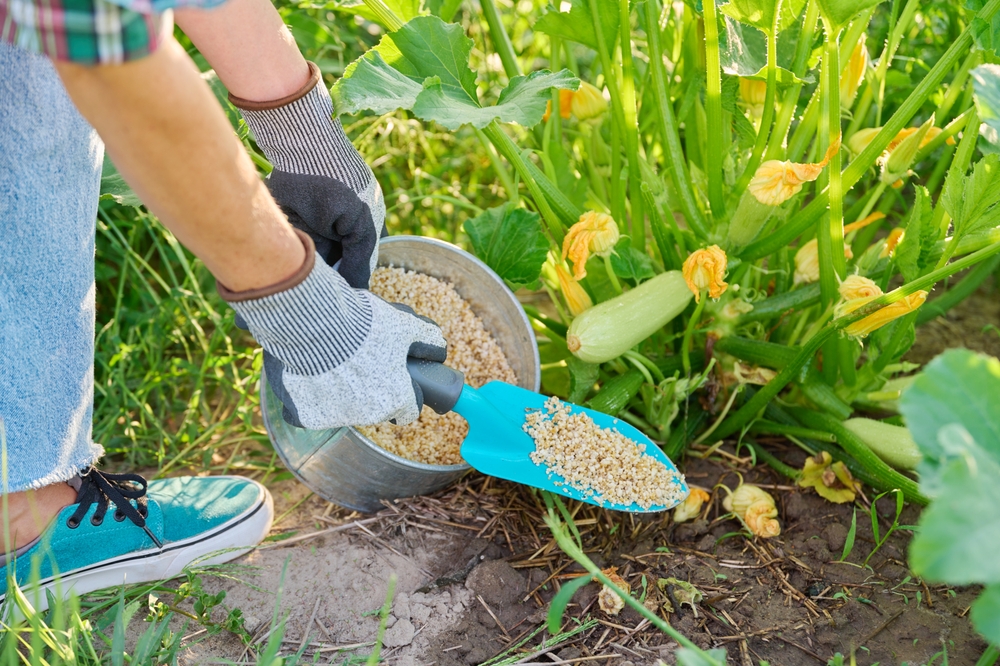
Fall is supposed to be the season of slow, cozy growth—leaves turning golden, temperatures cooling, and gardeners finally catching a breath after a busy summer. Yet somehow, many plants don’t make it to winter. The culprit isn’t frost, pests, or drought—it’s over-fertilization, a sneaky habit that often masquerades as care. Gardeners think they’re helping, but a little too much of a “good thing” can turn nurturing into destruction.
Let’s dig into why over-fertilizing in fall is more dangerous than you might think and how to give your garden the gentle care it truly needs.
Plants Slow Down In Fall And Don’t Need Extra Nutrients
Unlike summer, when plants are growing rapidly and soaking up everything in sight, fall signals a natural slowdown. Leaves stop growing at lightning speed, roots are less active, and energy shifts from building new shoots to preparing for dormancy. Adding extra fertilizer now is like overfeeding a body that’s already heading into hibernation. Plants can’t process the nutrients effectively, which leads to burned roots, weakened stems, and an increased susceptibility to disease. Observing your plants’ natural rhythm and adjusting care accordingly is key to keeping them alive through the colder months.
Excess Nitrogen Can Cause Dangerous Growth Spurts
Nitrogen is the most common ingredient in fertilizers, and it’s the one most likely to cause trouble in fall. While nitrogen promotes lush green growth, plants that grow new leaves late in the season often don’t have the time to harden off before winter. These tender shoots are extremely vulnerable to frost and cold damage. Instead of strengthening the plant, over-fertilizing actually makes it more fragile and likely to suffer permanent harm. Autumn is a time for stability, not explosive growth, and fertilizing should reflect that natural balance.
Root Damage Happens Faster Than You Think
One of the most insidious effects of over-fertilizing is root burn. When salts from fertilizer accumulate in the soil, they draw moisture away from the roots, leaving plants dehydrated even if the soil appears wet. Fall conditions, with cooler temperatures and less active root growth, make this effect even more pronounced. Over-fertilized plants can develop stunted or rotting roots, reducing their ability to survive winter and regrow in spring. Healthy roots are the foundation of survival, and too much fertilizer in fall weakens that critical system.
Over-Fertilization Increases Disease Risk
Fertilizer overload doesn’t just stress plants physically; it stresses them immunologically too. Excess nutrients, especially nitrogen, can create soft, succulent tissues that attract fungi, molds, and bacteria. Fall dampness and cooler nights exacerbate these vulnerabilities, turning what seems like harmless care into a breeding ground for disease. Gardeners often mistake sick leaves or wilting for normal seasonal changes, but over-fertilization is frequently the hidden trigger. Protecting your garden in fall is less about feeding more and more about strengthening natural resistance.
Timing Matters More Than Amount
The problem isn’t only how much fertilizer you use—it’s when. Fertilizing too late in the season can undo all the careful work you did in spring and summer. Plants need time to adjust their energy, store nutrients, and prepare for dormancy, and overloading them disrupts this schedule. Ideally, fall fertilization should be minimal and focused on nutrients that encourage root development rather than leafy growth. Understanding the seasonal cycle of your specific plants ensures that feeding becomes a supportive act instead of a harmful one.
Soil Testing Is Your Best Friend
Another mistake many gardeners make is assuming every plant needs the same nutrients. Soil tests reveal exactly what your garden lacks, allowing for precise supplementation without going overboard. Over-fertilization often occurs because people are guessing or following a rigid routine rather than responding to actual soil conditions. A simple soil test can save your plants from nutrient overload, frost damage, and root burn. Knowledge about your soil is power, and in fall, it’s the difference between healthy plants and a winter graveyard of leaves and stems.
Choosing The Right Fertilizer For Fall
Not all fertilizers are created equal, and using summer formulas in fall can be catastrophic. Fertilizers high in nitrogen encourage leafy growth when what plants really need is phosphorus and potassium to strengthen roots and prepare for winter. Choosing a formula designed for fall use helps plants store energy, resist disease, and survive frost. Even small adjustments to the nutrient balance make a huge difference in long-term plant health. Feeding your garden in fall should feel like tucking it in with a warm blanket, not pushing it to run a marathon it can’t finish.

Less Is More In Autumn Gardening
Over-fertilizing in fall is one of the most common mistakes that kills plants, even when gardeners believe they’re helping. From promoting vulnerable growth to damaging roots and encouraging disease, too much fertilizer overwhelms the natural slowdown that plants need. Observing seasonal cues, understanding soil needs, and choosing gentle fall formulas can protect your garden through the winter months.
Have you ever accidentally over-fertilized in fall or witnessed the aftermath? Let us hear about it below!
You May Also Like…
7 Fall Fertilizing Tips That Prevent Lawn Damage
The Smart Gardener’s Guide: 4 Low-Cost Organic Fertilizers
The Secret to Fall Mulch That Supercharges Next Spring’s Blooms
12 Soil Problems Fixed Best in Autumn
7 Natural Fertilizers Found in Your Fall Kitchen

Brandon Marcus is a staff writer for FrugalGardening.com at District Media, Inc., where he delivers practical gardening advice with a relatable, no-nonsense style. An avid amateur gardener, he holds a BA degree and with over ten years of professional writing experience, he is also an award-winning published author whose first book, Questions For Deep Thinkers, was released by Adams Media. His work has appeared in major publications including Fandom.com, CHUD.com, TheColdWire.com, and Fansided.com.
Leave a Reply